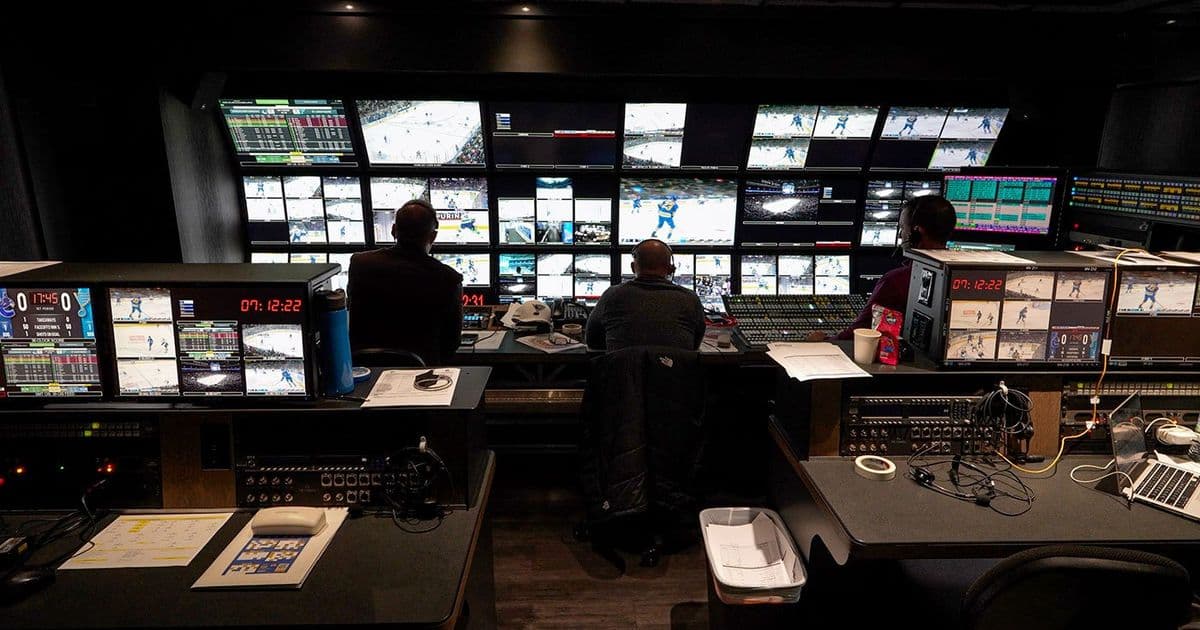
A technical deep dive into the SMPTE 2110 infrastructure powering NHL broadcasts, examining PTP synchronization challenges, hybrid connectivity solutions, and the human coordination behind live sports production.
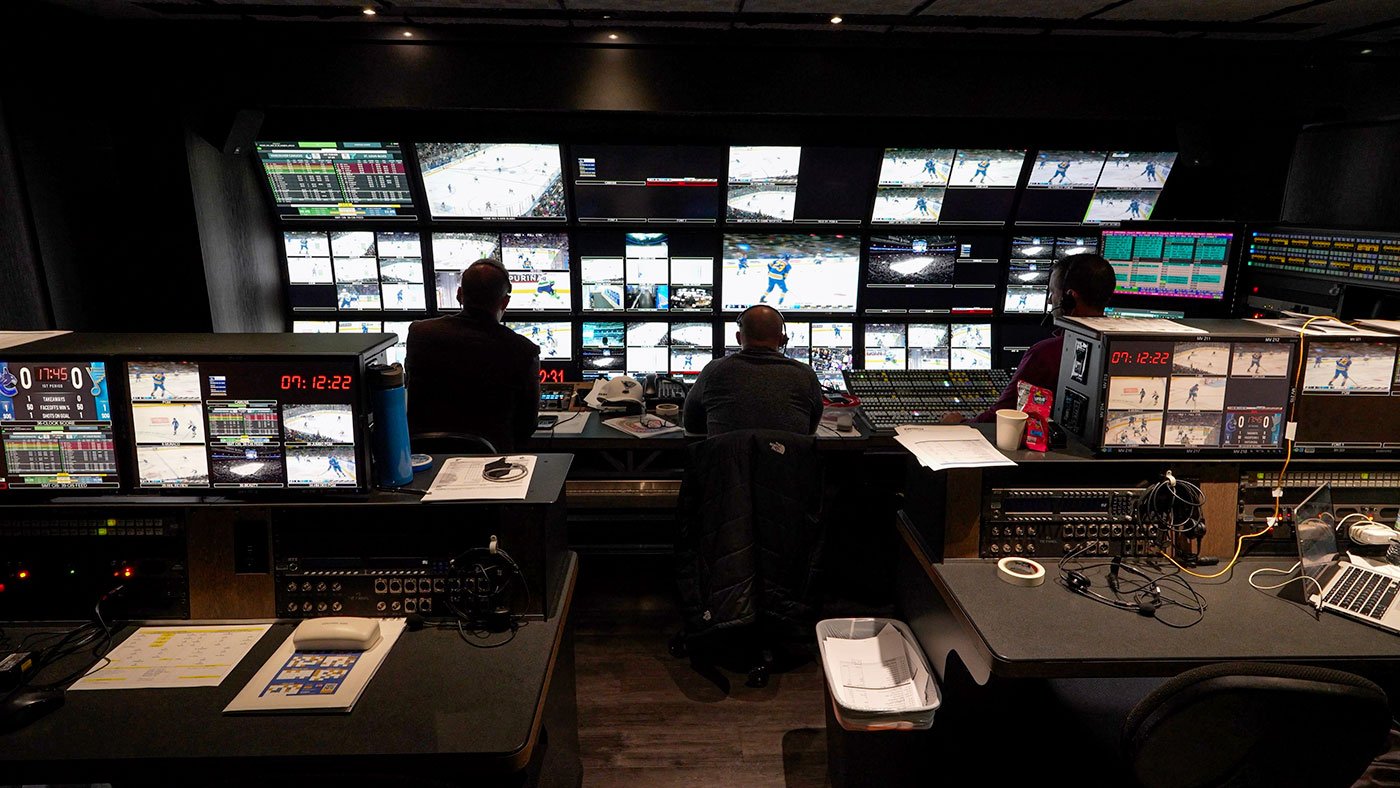
When NHL hockey comes to St. Louis, the 45 Flex broadcast truck from Mobile TV Group transforms into a nerve center for SMPTE 2110 production. This IP-based standard revolutionizes live sports broadcasting by transporting uncompressed video, audio, and metadata as separate streams over IP networks. Unlike traditional SDI workflows, SMPTE 2110 demands nanosecond-level synchronization across all components – a challenge magnified in mobile environments where trucks relocate between venues.
Precision Timing: The Heartbeat of IP Broadcast
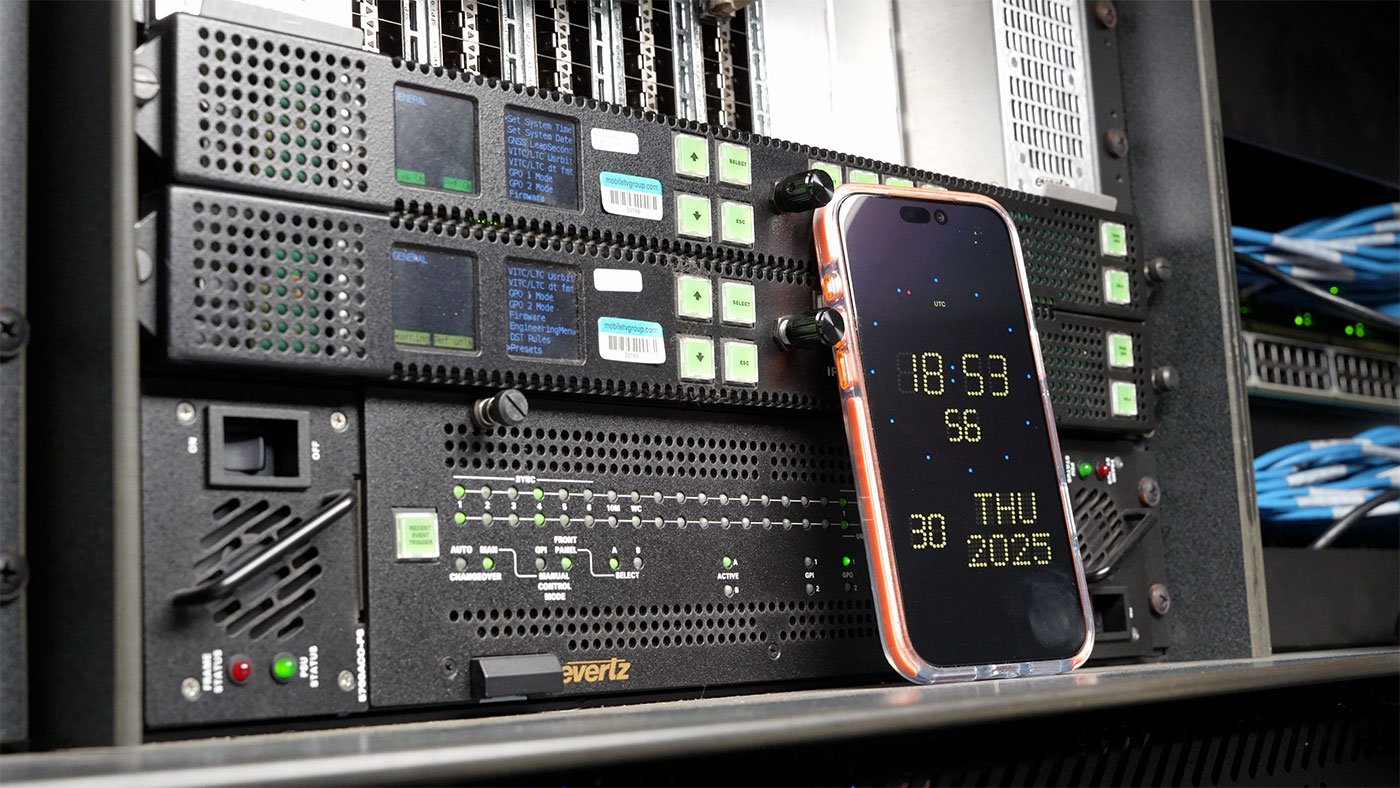 At the core of the 45 Flex operation sit dual Evertz 5700MSC-IP Grandmaster Clocks ($25-30k pair) with a 5700ACO Changeover unit. These generate Precision Time Protocol (PTP) signals per SMPTE 2059-2 specifications, creating the temporal backbone for the entire production. Video switchers, EVS XT-VIA replay servers, and cameras all slave to this single time source. Surprisingly, GPS synchronization – common in fixed studios – proves impractical for mobile units. Broadcast engineer Chris Bailey explains: "Venue limitations often block satellite signals, so we default to manual time sync via smartphone apps like Atomic Clock Sync." This approach maintains relative synchronization accuracy within the truck despite lacking absolute UTC alignment – sufficient unless integrating multiple trucks for large-scale events.
Diagnostic Tools and Timing Troubleshooting
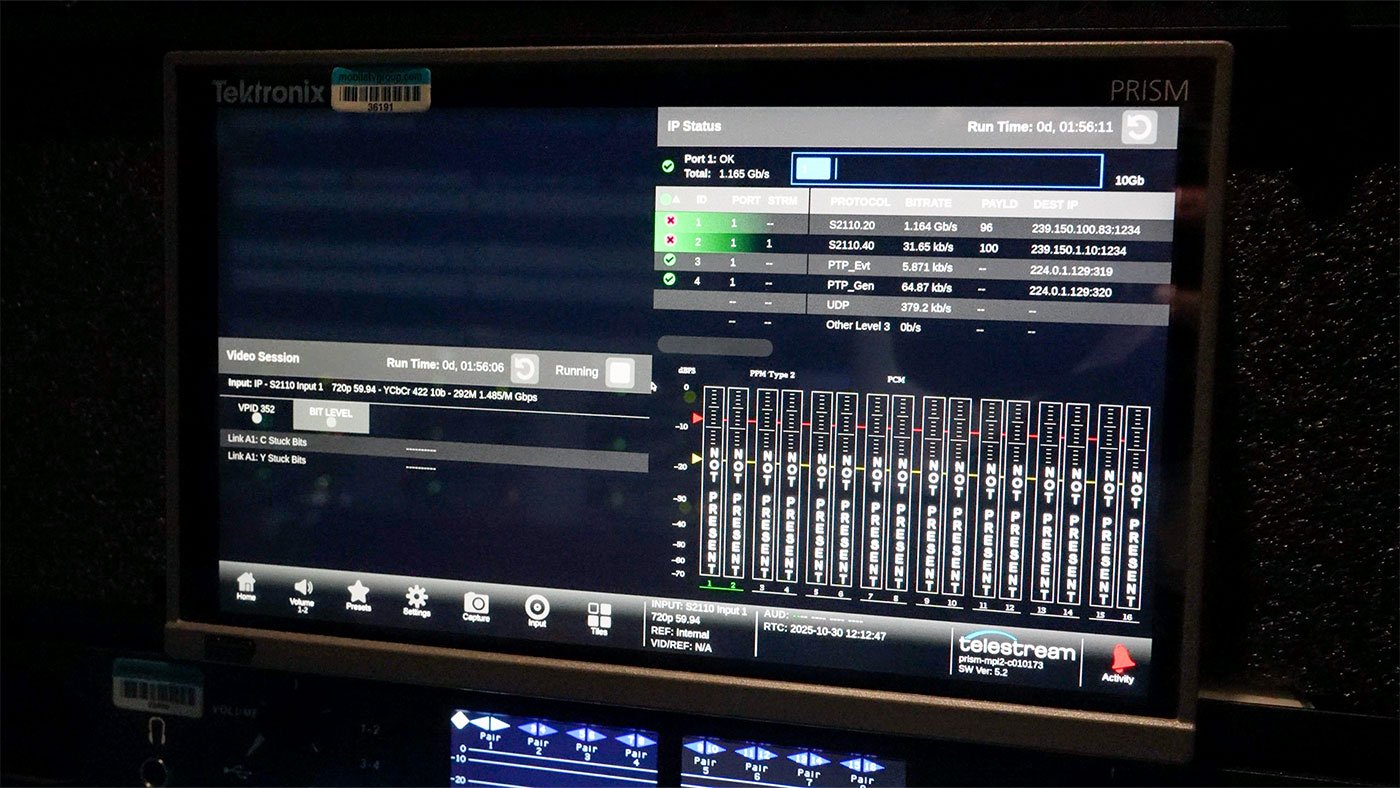 When PTP issues arise, technicians turn to the Tektronix PRISM IP test platform. This analyzer validates SMPTE 2110 stream compliance and pinpoints timing anomalies by:
- Monitoring PTP master-slave hierarchy stability
- Measuring packet delay variation between endpoints
- Verifying IEEE 1588 boundary clock performance
- Analyzing IGMP multicast group membership In one documented case, sub-1ms audio-video lip sync drift was traced to a misconfigured switch QoS policy – resolved within minutes using PRISM's precision timestamp analysis.
Hybrid Connectivity: Where Analog Meets IP
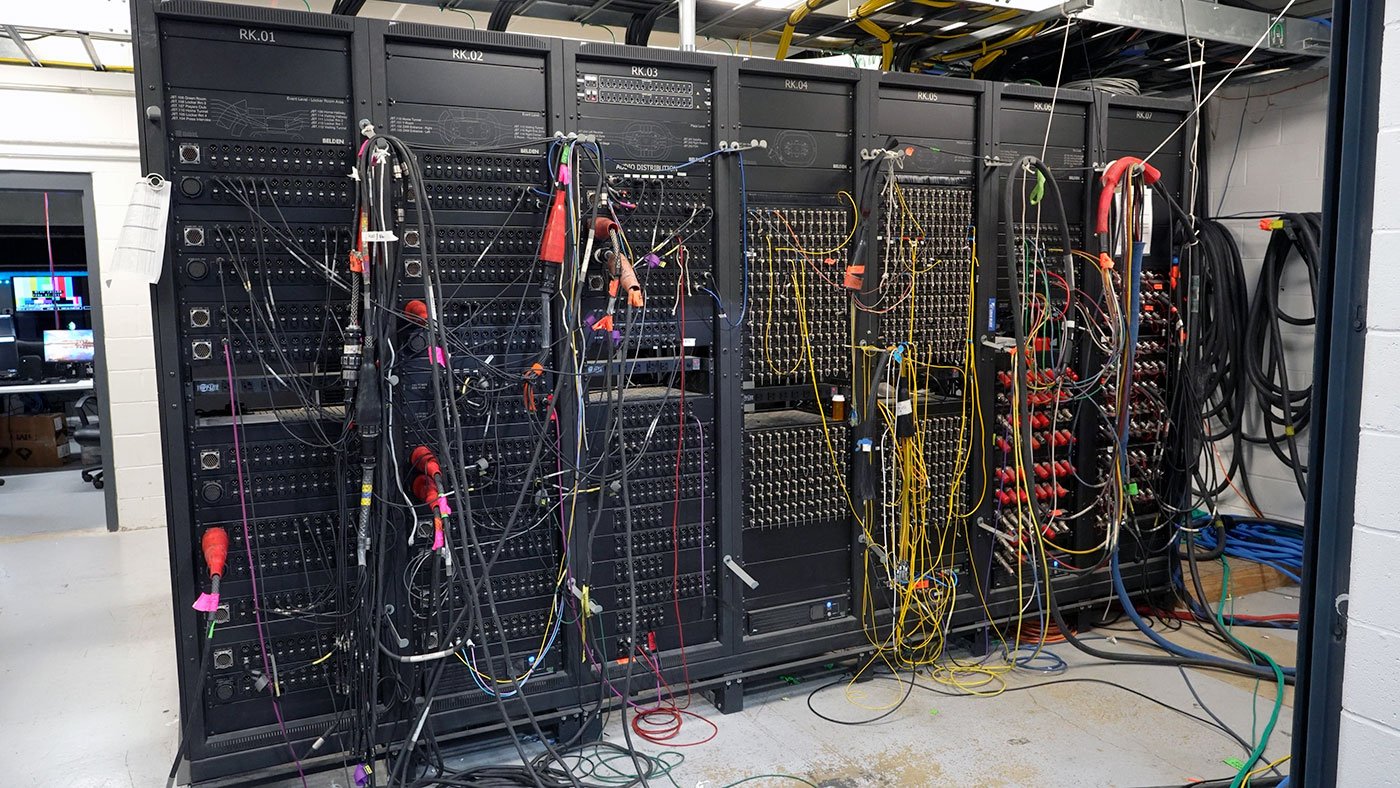 The Enterprise Center's patch bay reveals SMPTE 2110's practical implementation challenges. While fiber dominates internal truck connections, venue integration requires hybrid solutions:
| Connection Type | Purpose | Bandwidth/Capacity |
|---|---|---|
| SMPTE Hybrid Fiber (3K.93C.Y) | Camera power + 8K video | 12G-SDI over fiber + 90W power |
| XLR Trunk Lines | Analog audio/comms | 32 channels per multipin connector |
| Single-mode Fiber | Primary video transport | 100Gbps backbone |
Building engineer Chris Frome notes: "Dust contamination causes more failures than network protocol issues. We clean SMPTE connectors before troubleshooting Layer 2/3 problems." The venue's dual-redundant grandmaster clocks with independent GPS antennas remain unused by visiting trucks due to integration complexity.
The Human Element
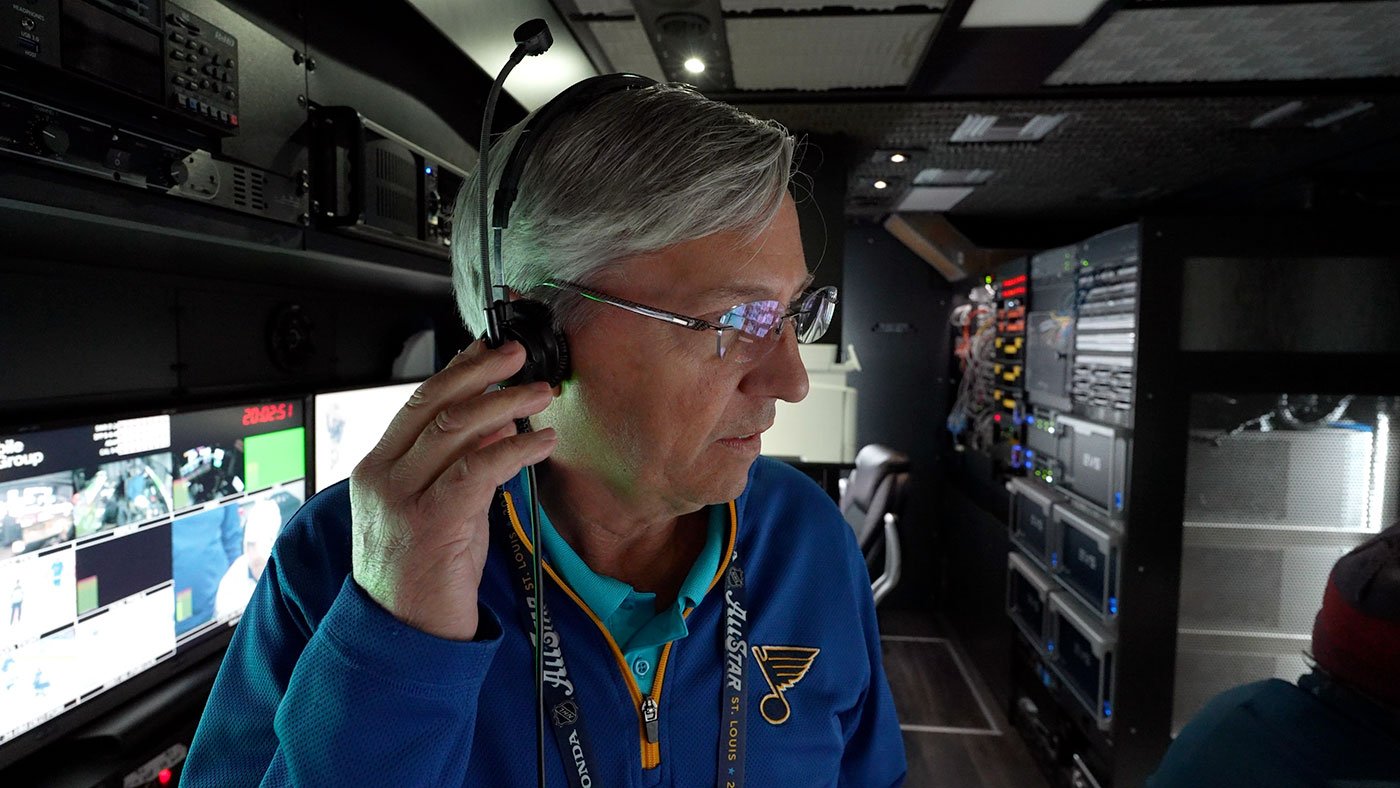 Behind $500k+ worth of technology, the broadcast's success hinges on coordinated human effort. Audio engineers manage 128+ channels on Calrec Artemis consoles while replay operators juggle 8 EVS servers. Camera operators like Tony West manipulate robotic units tracking 25+ mph puck movement – all synchronized to within 3 microseconds via PTP. The production team's focused communication during games demonstrates how SMPTE 2110's technical precision enables artistic execution. As one operator noted: "When the tech disappears, we create magic."
This behind-the-scenes examination reveals modern sports broadcasting as a symphony of precision timing, robust infrastructure, and human expertise – where nanoseconds matter as much as narrative.
Comments
Please log in or register to join the discussion