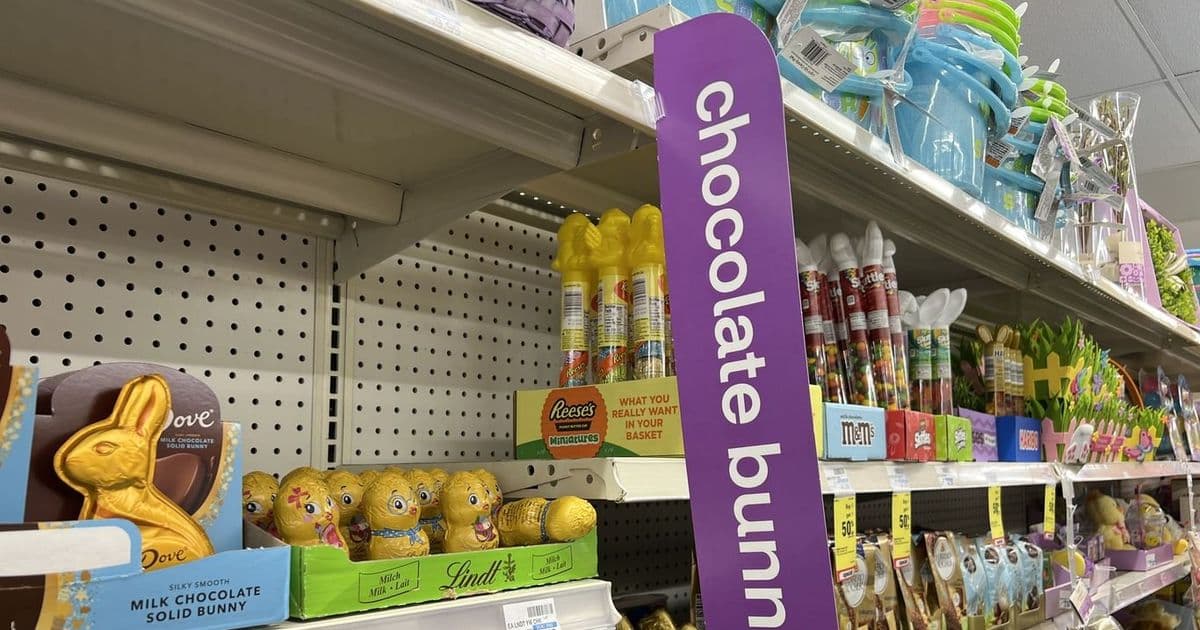
Despite cocoa prices dropping 50% from their 2024 peak, Easter candy prices remain elevated due to inflation, supply chain costs, and retailer pricing strategies.
Despite a dramatic 50% drop in cocoa prices from their 2024 peak, Easter candy prices remain stubbornly high in 2026, leaving consumers paying more for chocolate bunnies and Easter treats than they did last year.
The cocoa price paradox
Cocoa prices have fallen sharply from their record highs of over $10,000 per metric ton in 2024, settling around $5,000-$6,000 in early 2026. This decline was driven by improved weather conditions in West Africa, particularly in Ivory Coast and Ghana, which together produce about 60% of the world's cocoa. The 2025-2026 growing season saw better rainfall and fewer instances of black pod disease, leading to a more abundant harvest.
However, this positive development for cocoa farmers hasn't translated to lower prices at checkout counters. According to data from the National Confectioners Association, the average price of a standard chocolate Easter bunny has increased by 8-12% compared to 2025 levels, with some premium brands seeing even steeper increases of up to 15%.
Why prices remain elevated
The disconnect between falling commodity prices and consumer costs can be attributed to several factors:
Lingering inflation effects: Many candy manufacturers locked in higher cocoa prices through futures contracts during the 2024 price spike. These contracts, which can extend 12-18 months, mean companies are still paying elevated prices for cocoa even as spot market prices have fallen.
Broader cost pressures: While cocoa represents a significant portion of chocolate production costs, it's not the only expense. Sugar prices remain volatile, labor costs continue to rise, and packaging materials have seen sustained inflation. Energy costs for manufacturing and transportation also remain above pre-pandemic levels.
Retailer pricing strategies: Major retailers have been reluctant to pass savings along to consumers. With many shoppers having adjusted to higher price points during the cocoa crisis, companies see little incentive to reduce prices. Some industry analysts suggest retailers are using the opportunity to improve profit margins on seasonal items.
Consumer impact and alternatives
Shoppers are feeling the pinch. A survey by Consumer Reports found that 68% of Americans plan to spend the same or less on Easter candy this year compared to 2025, with many citing cost as the primary factor. The average household is expected to spend $47 on Easter candy in 2026, up from $42 in 2025.
Some consumers are seeking alternatives:
- Non-chocolate Easter treats like jelly beans and marshmallow Peeps have seen more modest price increases of 3-5%
- Discount retailers and warehouse clubs are offering competitive pricing on private label chocolate options
- DIY Easter baskets with a mix of candy and non-candy items are gaining popularity as a cost-saving measure
Industry outlook
Industry experts suggest prices may begin to moderate later in 2026 as the effects of lower cocoa prices work through the supply chain. However, they caution that the era of ultra-cheap Easter candy may be over. The combination of climate change risks to cocoa production, ongoing labor cost pressures, and changing consumer preferences toward premium and ethically sourced chocolate suggests that higher baseline prices are likely here to stay.
For now, Easter shoppers will need to budget accordingly or seek creative alternatives to satisfy their holiday sweet tooth without breaking the bank.
Comments
Please log in or register to join the discussion