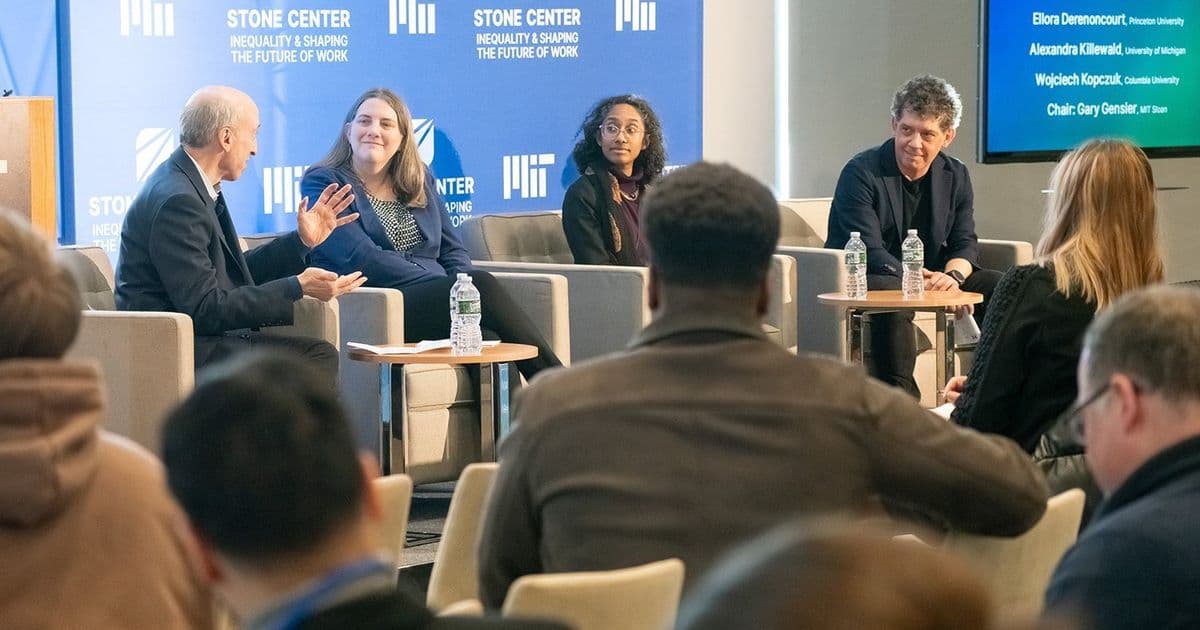
Experts from multiple disciplines examine how extreme wealth concentration undermines democratic institutions, perpetuates racial disparities, and creates feedback loops with authoritarianism.
Wealth inequality isn't just an economic statistic—it's a threat to democratic institutions, racial equity, and the very promise of shared prosperity. That was the central message from a recent MIT Stone Center symposium that brought together economists, philosophers, sociologists, and political scientists to examine why extreme wealth concentration matters in today's world.
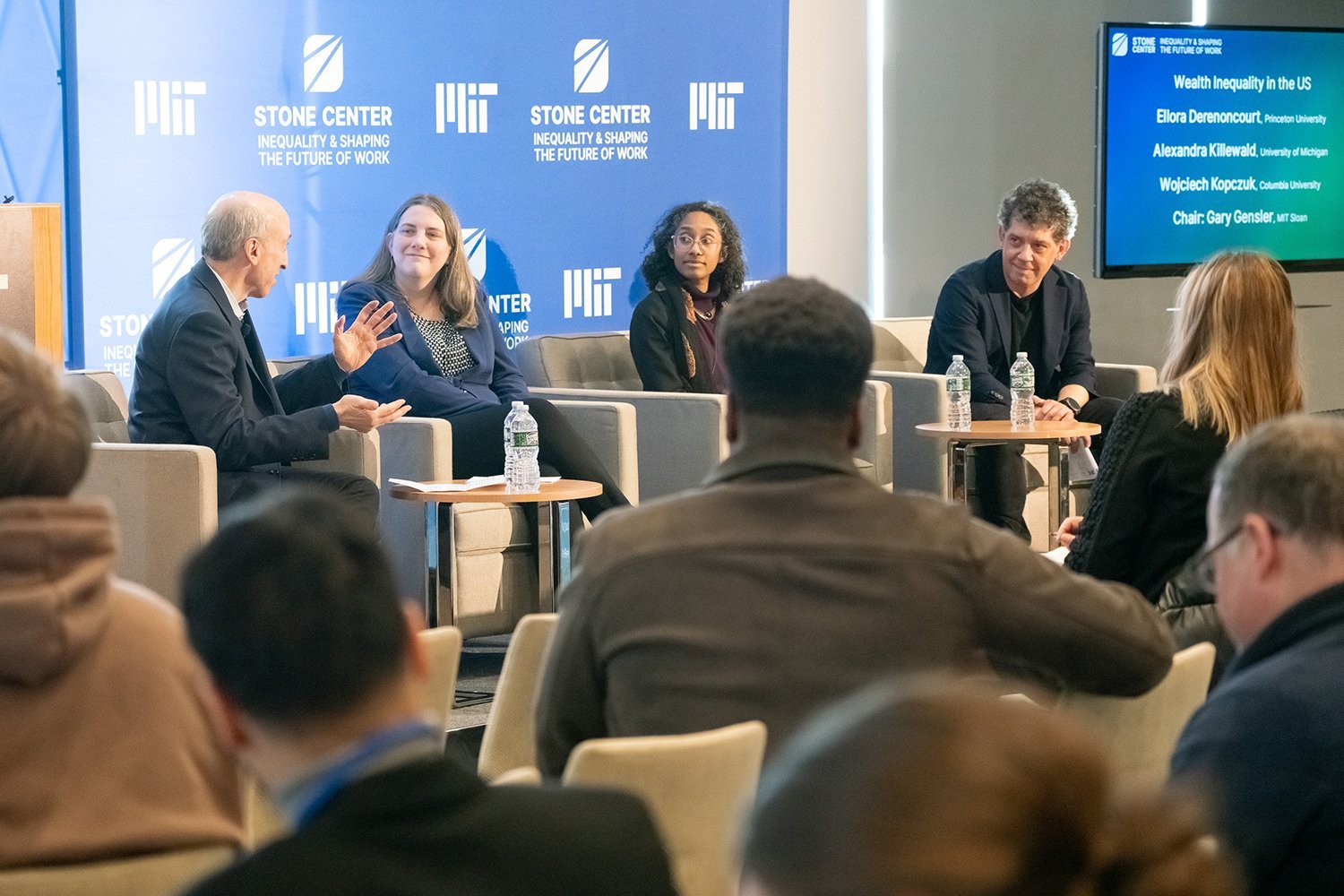
The half-day event, hosted by the MIT James M. and Cathleen D. Stone Center on Inequality and Shaping the Future of Work, featured three panel discussions that explored the origins, mechanisms, and political consequences of wealth inequality. Richard Locke, Dean of the MIT Sloan School of Management, opened the symposium by emphasizing MIT's commitment to interdisciplinary collaboration and addressing society's most pressing issues.
When Wealth Buys Political Power, Democracy Breaks Down
Hélène Landemore of Yale University made a crucial distinction: wealth inequality itself isn't inherently problematic, but becomes dangerous when it translates into disproportionate political influence. "Some groups are systematically disbelieved or ignored, and the result is policy failure," Landemore explained, citing the French yellow vests protests as an example of working-class backlash against carbon taxes that disproportionately burdened car-dependent citizens.
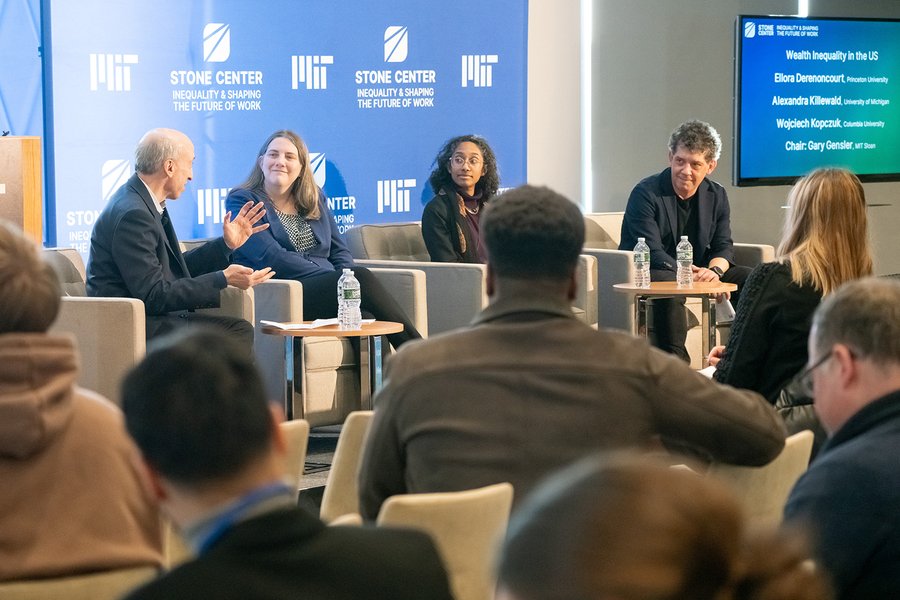
Wojciech Kopczuk of Columbia University added nuance to this discussion, noting that wealth is a "complicated and often ambiguous measure of inequality" that reflects institutional contexts. For instance, weak social safety nets drive precautionary saving, making wealth accumulation partly a response to systemic insecurity. However, Kopczuk agreed that at the very top, wealth correlates strongly with political capture and corporate power.
Elizabeth Anderson of the University of Michigan extended this analysis to corporate power, warning that extreme concentration gives powerful firms de facto immunity from the rule of law. "The wealthiest companies can hire hundreds of lawyers to swamp the legal system," she said, creating a two-tiered justice system where money determines access to legal remedies.
Oren Cass of American Compass offered a different prescription, arguing that strengthening worker power is more effective than redistribution alone. "Redistribution is a way to improve living standards, but it is not a solution to the kinds of problems that actually plague democratic capitalism," Cass said, suggesting that economic democracy requires more fundamental changes to power structures.
The Racial Wealth Gap: Centuries of Inequality Built In
Ellora Derenoncourt of Princeton University presented sobering data on the racial wealth gap in America. Today, the wealth gap between Black and white Americans stands at 6:1—for every dollar of wealth held by an average white American, the average Black American holds about 17 cents. Even more troubling, this gap has remained largely unchanged for the past 50 years.
"Even if we were to equalize differences in wealth accumulating opportunities—equal savings rates, equal capital gains rates going forward—we're still hundreds of years away from convergence," Derenoncourt explained, due to the magnitude of the original gap. This mathematical reality underscores how deeply historical inequities are embedded in current wealth distributions.
Alexandra Killewald of the University of Michigan emphasized that the racial wealth gap isn't just about the past—it's actively rebuilt each generation through unequal schools, unequal pay, and unequal access to homeownership. "The past matters, but it's not just about the past," she explained. Even with massive reparations, "if we just let things go on as they are, we will start to recreate inequality from Day 1."
The Authoritarian Feedback Loop
Daron Acemoglu of MIT described a troubling symbiosis between inequality and democratic decline: "Once inequality starts building up, it also naturally erodes democracies' claim for legitimacy." High inequality, he argued, is both a cause and an effect of liberal democracy failing to deliver on its promise of shared prosperity.
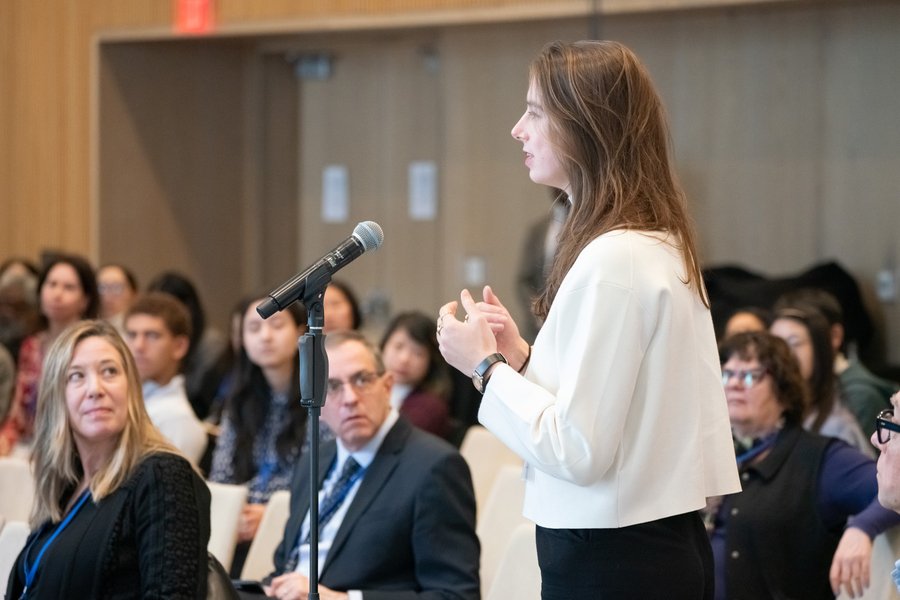
Sheri Berman of Barnard College examined why economically disadvantaged voters in the United States and Europe have increasingly supported right-wing populist parties, despite holding economically progressive views. She traced this shift to the transformation of center-left parties since the late 20th century, which converged with the right on economic policy (embracing free trade and market deregulation) while moving left on social and cultural issues.
As a result, working-class and rural voters no longer saw center-left parties as champions of their economic interests or as reflecting their social and cultural preferences. This political realignment has created space for authoritarian movements to gain traction among those left behind by economic globalization.
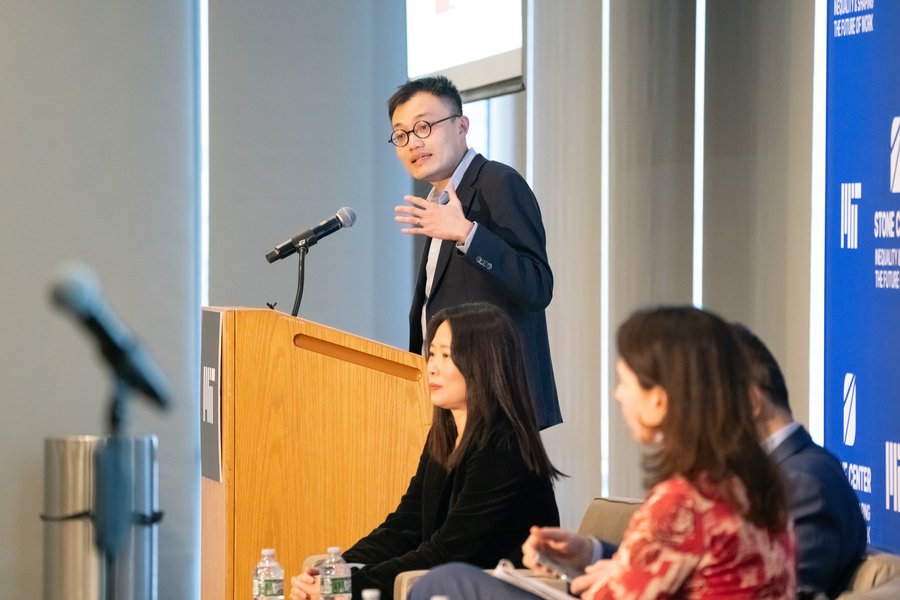
David Yang of Harvard University provided a chilling perspective on how authoritarian regimes perpetuate inequality. He explained that non-democratic regimes are most responsive not to the average citizen, but to whoever poses the greatest threat to regime survival. In China, this tends to be the wealthier urban population capable of organizing large-scale collective action, creating a system where inequality is both a product and a tool of authoritarian control.
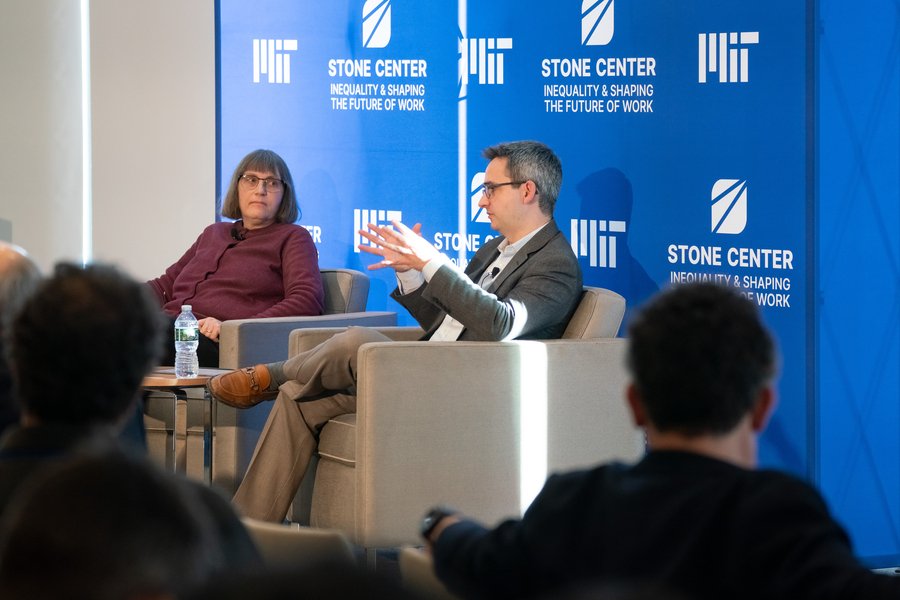
The symposium highlighted how wealth inequality operates as a complex system with multiple reinforcing mechanisms. When wealth buys political influence, it shapes policies that further concentrate wealth. When racial wealth gaps persist across generations, they limit economic mobility and reinforce existing hierarchies. When inequality undermines democratic legitimacy, it creates openings for authoritarian alternatives that further entrench economic disparities.
The interdisciplinary nature of the discussion—bringing together perspectives from economics, philosophy, sociology, and political science—underscored that addressing wealth inequality requires solutions that go beyond traditional economic policy. It demands attention to political institutions, racial justice, democratic participation, and the fundamental relationship between economic and political power.
As the Stone Center continues its work on inequality and shaping the future of work, this symposium made clear that understanding why wealth inequality matters is the first step toward developing effective responses to one of the defining challenges of our time.
Comments
Please log in or register to join the discussion