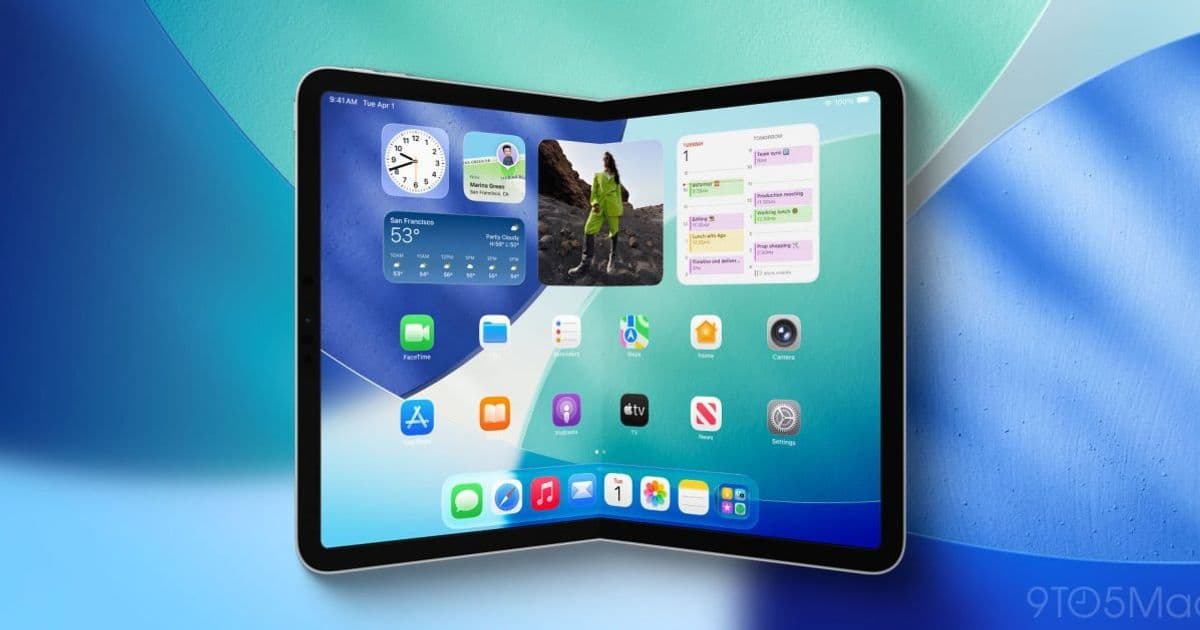
Leaker Ben Lovejoy says the upcoming iPhone Ultra will share Apple’s new hinge and crease‑free display tech, raising the likelihood of an 18.8‑inch iPad Fold. The article breaks down the hardware clues, the impact on iOS/iPadOS SDKs, and how cross‑platform teams should prepare for a potential new form factor.
iPhone Ultra hints at Apple’s long‑rumored iPad Fold – what developers need to know
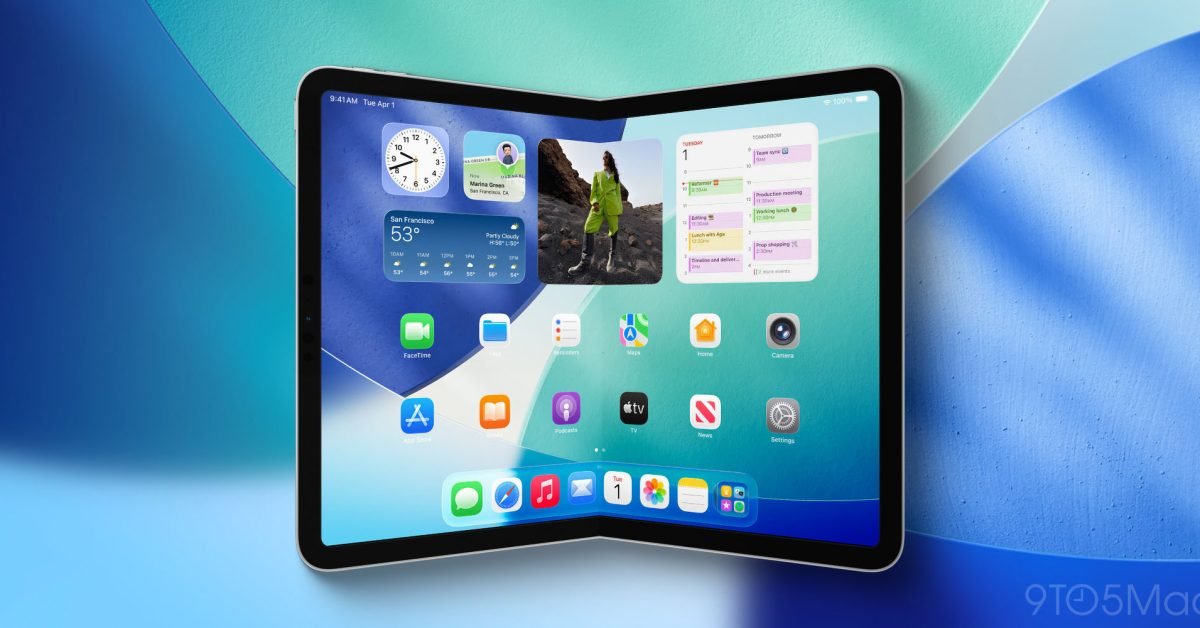
Apple’s product pipeline has been a source of speculation for years, but the latest chatter from veteran leaker Ben Lovejoy gives developers a concrete reason to pay attention. A brief post on Weibo from Digital Chat Station suggests that the iPhone Ultra – slated for a fall 2026 release – will use the same folding‑display mechanism that Apple is reportedly engineering for an 18.8‑inch iPad Fold. If the rumor holds, Apple will finally bring a crease‑free, hinge‑based tablet to market, and the iPhone Ultra will act as a technology demonstrator.
The hardware clue: shared hinge and display tech
Apple’s supply‑chain sources have been whispering about a “single‑axis hinge” that eliminates the visible crease that plagues most Android foldables. The same hinge is said to be used in the iPhone Ultra’s 6.9‑inch foldable display, which will open like a book and then flatten into a traditional slab. The iPad Fold would scale that concept to a roughly 18.8‑inch panel, keeping the same glass‑laminate stack and a polymer‑reinforced hinge.
Why does this matter for developers?
- Uniform API surface – If Apple uses the same underlying display driver stack for both devices, the iOS 18 SDK and iPadOS 18 SDK will expose a single set of APIs for foldable behavior (e.g.,
UISceneSessionsize classes,UIWindowScenegeometry callbacks). Expect a newUIFoldableDeviceclass that reports hinge angle, screen continuity, and crease‑visibility state. - Consistent performance envelope – Apple’s custom silicon (the rumored A19X for the Ultra and M4 for the iPad Fold) will share a unified memory architecture. Developers can rely on the same GPU feature set (Metal 3.2) and Neural Engine capabilities across both form factors.
Impact on iOS / iPadOS developers
1. SDK version bump to iOS 18 / iPadOS 18
Apple typically bundles major UI changes with a new OS release. The iPhone Ultra is expected to ship with iOS 18.0 and the iPad Fold with iPadOS 18.0. Both platforms will include:
UIWindowScenesize‑class extensions that fire when the hinge crosses the 90‑degree threshold, letting apps adjust layouts in real time.UITraitCollectionupdates for the newfoldedandunfoldedtraits, allowing SwiftUI’s@Environmentto react automatically.- Metal 3.2 with a new
MTLDeviceFoldableprotocol for efficient rendering across two physical panels.
Action: Update your Xcode to Xcode 16 (or later) and set the Deployment Target to iOS 16+ if you haven’t already. This ensures you can compile against the new foldable APIs while still supporting older devices.
2. UI/UX redesign for dual‑panel ergonomics
Even though the iPhone Ultra will be a phone‑sized experiment, the same hinge logic will apply to the iPad Fold. Apps that rely heavily on fixed‑size layouts (e.g., games with a static viewport) will need to:
- Detect the hinge angle via
UIFoldableDevice.current.hingeAngle. - Provide a continuous layout that can span the gap when the device is unfolded, or gracefully collapse to a single‑panel view when folded.
- Consider input modality – the Ultra will support a small on‑screen keyboard when folded, while the iPad Fold will likely expose a full‑size on‑screen keyboard when unfolded.
3. Testing on simulators and physical prototypes
Apple is expected to ship a Foldable Device Simulator with Xcode 16, mirroring the hinge angle and screen continuity. However, the simulator will not perfectly emulate the physical stress on the hinge or the slight latency of the display driver. When the Ultra reaches beta, plan to:
- Run UI tests on the simulator for basic layout verification.
- Request early‑access hardware through Apple’s Enterprise Developer Program (similar to how Apple provides early iPhone 15 Pro Max units).
- Add automated UI tests that toggle the
folded/unfoldedtrait to catch regressions.
Migration path for cross‑platform teams
Many teams maintain a single codebase with React Native, Flutter, or Xamarin. The upcoming foldable APIs will affect each stack differently.
React Native
- The core library will receive a
useFoldablehook that surfaces hinge angle and screen continuity. Until the official bridge lands, community packages likereact-native-foldablewill likely gain rapid adoption. - Update your
react-nativeversion to 0.74 or later, which adds support forUIWindowScenecallbacks.
Flutter
- Flutter 3.22 is expected to ship with a
Foldablewidget that automatically re‑layouts children based on the device’sMediaQueryDatachanges. - Ensure you enable the
--enable-ios-foldableflag when building for iOS 18.
Xamarin / .NET MAUI
- .NET 8 will introduce a
FoldableDeviceservice that mirrors Apple’s native APIs. Upgrade your project to .NET 8 and reference theMicrosoft.Maui.FoldableNuGet package.
Tip: Keep a thin abstraction layer in your UI code that isolates platform‑specific foldable logic. This makes it easier to support Android’s foldable devices (e.g., Samsung Galaxy Z Fold) alongside Apple’s future offering.
What to watch next
- Apple’s WWDC 2026 keynote (June 3) – Apple usually unveils new SDK features here. Expect a live demo of the iPhone Ultra’s folding UI and a brief look at the iPad Fold prototype.
- Supply‑chain leaks – Keep an eye on reports from Foxconn and LG Display about “hinge‑reinforced glass.” Those posts often surface a few weeks before a formal announcement.
- Beta releases – Xcode 16 beta 1 is scheduled for early May. Sign up for the Apple Developer Program to get early access.
Bottom line for developers
The iPhone Ultra is more than a new flagship; it is a testbed for Apple’s foldable ambitions. By preparing for the new UIFoldableDevice APIs now, you can ensure a smooth transition when the iPad Fold finally arrives. Update your toolchains, abstract foldable logic, and start experimenting with the simulator – the next wave of Apple hardware will reward early adopters with a fresh set of UI possibilities.
Related resources
- Official Apple Developer Documentation for iOS 18
- Xcode 16 download page: developer.apple.com/xcode
- React Native 0.74 release notes: reactnative.dev/blog/2026/04/01/react-native-074
- Flutter 3.22 announcement: flutter.dev/docs/whats-new#3-22
- .NET 8 foldable support: learn.microsoft.com/dotnet/maUI/foldable
Comments
Please log in or register to join the discussion