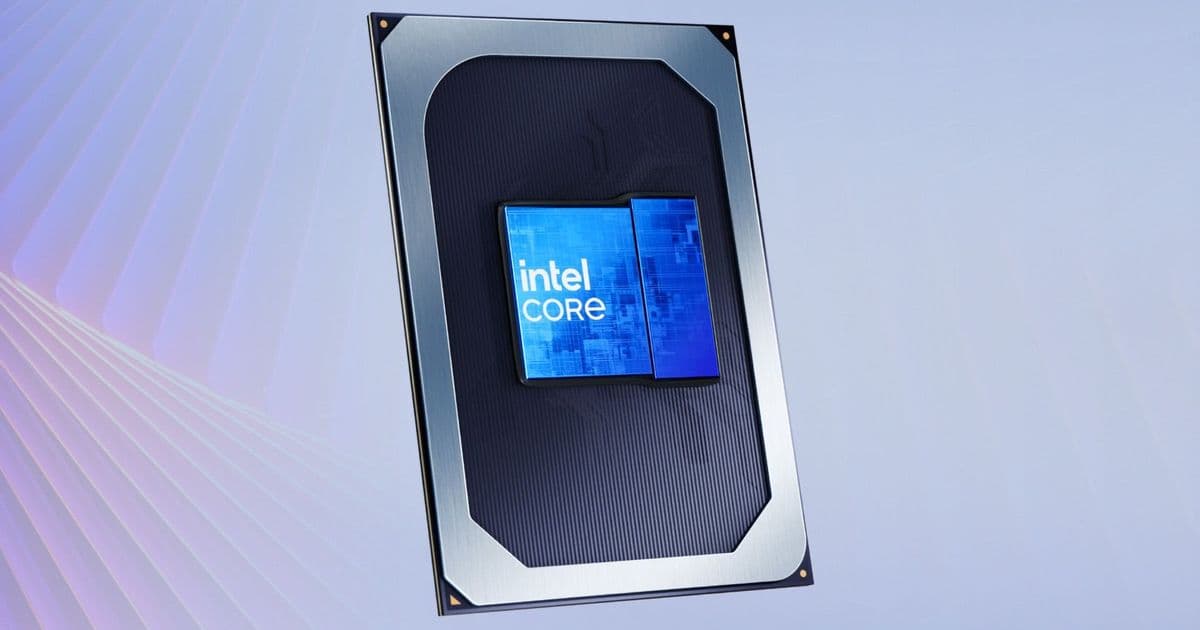
Intel unveiled Project Firefly at the Wildcat Lake launch in China, promising mass‑produced laptops built on the new 18A‑node Core Series 3 CPUs for under $600. By borrowing smartphone‑grade supply‑chain efficiencies, the initiative could reshape the budget Windows notebook market and pressure ARM‑based Chromebooks.
Announcement
Intel used its Wildcat Lake launch in China to introduce Project Firefly, a manufacturing programme aimed at delivering laptops priced between $449 and $662. The goal is to use China’s high‑volume smartphone supply chain to drive the cost of devices powered by the new Core Series 3 (codenamed Wildcat Lake) down to the level of Apple’s MacBook Neo.
Technical specs
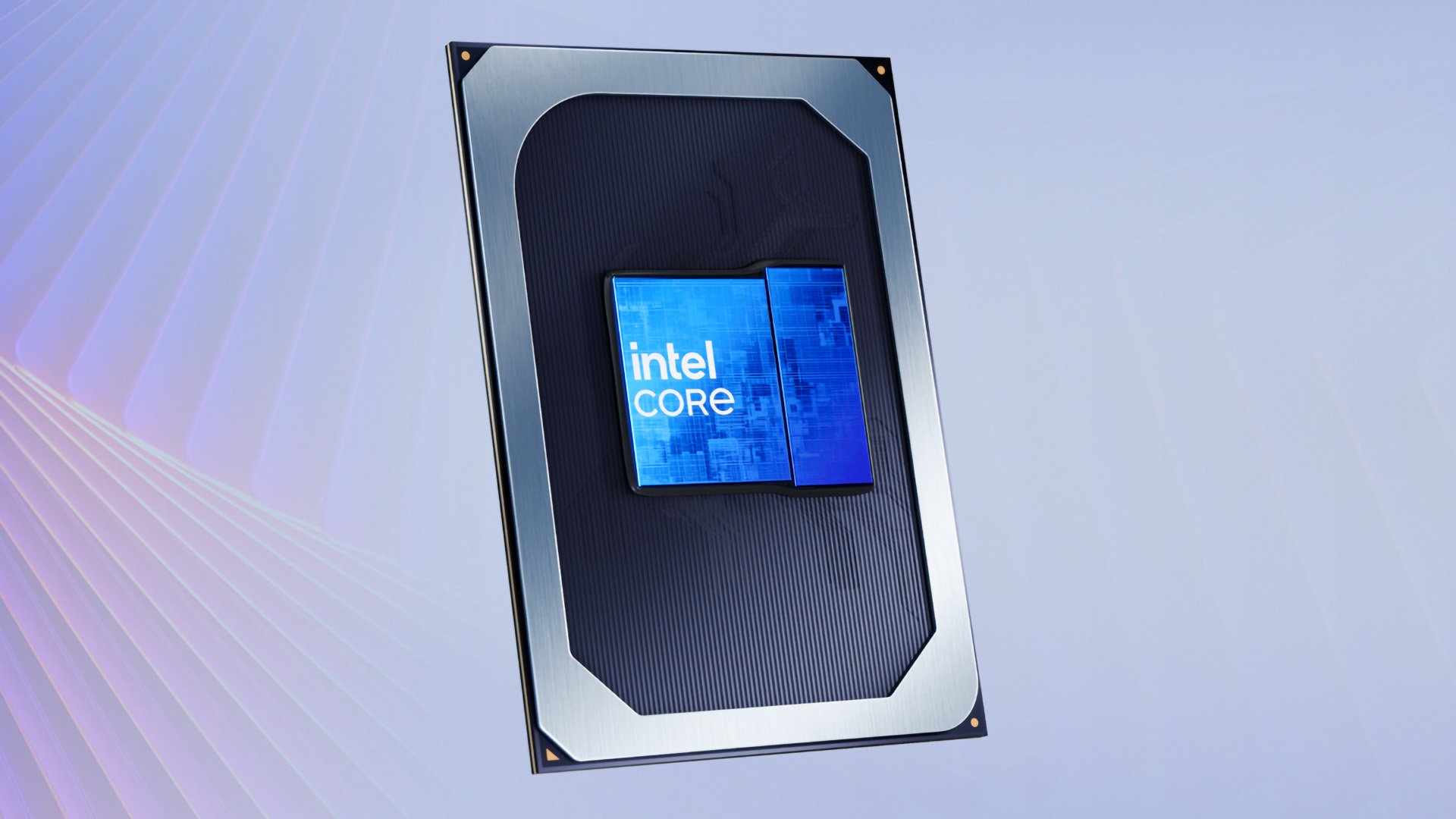
- Process node: 18 Å (Intel 18A) – the latest node for client‑grade silicon, offering roughly a 10 % power‑efficiency gain over the 20 Å node used in the previous generation.
- Core configuration: 5‑6 Cougar Cove performance cores (P‑cores) per chip, no Hyper‑Threading. Clock speeds range from 2.8 GHz base to 4.6 GHz boost.
- Graphics: Integrated Intel Xe‑LP GPU with up to 32 EU and 1.2 TFLOP FP32 throughput, sufficient for media playback and light gaming.
- Memory support: DDR5‑5600, up to 64 GB LPDDR5X on a single‑channel layout, keeping board space minimal.
- Thermal envelope: Designed for a 15 W TDP in thin‑and‑light chassis; the reference design measures 11 mm thick (0.43 in) and weighs 1.1 kg.
- I/O: One Thunderbolt 4 port, two USB‑C 3.2 Gen 2, and a single M.2 2280 slot for SSDs; optional Wi‑Fi 7 module.
The reference laptop shown by Intel’s VP Gao Song featured a vibrant orange chassis and a minimalist “Clean‑D” design, emphasizing thinness and low weight while retaining a full‑size keyboard.
Supply‑chain strategy
Project Firefly mirrors the smartphone assembly model:
- Standardized modules – CPU, memory, and storage use common footprints across OEMs, reducing engineering overhead.
- High‑mix, low‑cost fab lines – Foundries in Shanghai and Shenzhen already run 18A production at volumes exceeding 2 million wafers per month, driving down per‑die cost to an estimated $15‑$18.
- Contract‑assembler network – Companies like Foxconn and BYD, accustomed to sub‑$200 smartphone builds, will apply the same line‑speed to notebook frames, cutting labor cost by roughly 30 %.
- Component bundling – Bulk procurement of DDR5‑5600 and LPDDR5X modules, plus shared power‑delivery ICs, trims BOM by an additional $10‑$15 per unit.
These efficiencies translate into the announced price points:
- Lenovo Lecoo Air 14 (first official Firefly device) – $571 pre‑tax.
- HP/Asus variants – $620‑$662 range.
- Chuwi UniBook – $449 (not a Firefly model but uses the same Wildcat Lake silicon).
Market implications
| Metric | Apple MacBook Neo | Intel Firefly (average) | ARM/Chromebook entry |
|---|---|---|---|
| Price (USD) | $599 | $571 | $499‑$549 |
| CPU architecture | Apple‑silicon (M‑series) | x86‑64 (Intel 18A) | ARM Cortex‑X series |
| Core count | 8‑core (4P+4E) | 5‑6 P‑cores, no HT | 4‑core (2P+2E) |
| Integrated GPU | Apple‑GPU 8‑core | Intel Xe‑LP 32 EU | Integrated Mali‑G78 |
| Battery life (typ.) | 15 h | 12‑13 h | 10‑12 h |
The price advantage is modest, but the x86 compatibility of Firefly laptops gives them a clear edge for users reliant on legacy Windows applications. If Intel can keep the $571‑$662 bracket stable while delivering acceptable performance (≈ 70 % of a Core i5‑1240P in synthetic benchmarks), the segment could see a 15‑20 % shift away from low‑end Chromebooks.
Competitive pressure on ARM
ARM‑based budget laptops have been gaining traction thanks to lower silicon cost and long battery life. However, they often suffer from limited driver support for professional software. Project Firefly’s use of a full Windows 11 stack and familiar BIOS/UEFI environment mitigates this friction, potentially pulling price‑sensitive enterprises back toward Intel.
Supply‑chain risk considerations
Relying heavily on Chinese fabs and assemblers introduces geopolitical exposure. Any export‑control tightening could raise the cost per die by $3‑$5, squeezing margins. Intel’s diversification plan includes secondary production at U.S. fab 42, but the volume there remains insufficient for mass‑market pricing.
Outlook
If the first wave of Firefly laptops meets the announced specifications, the market will see a new baseline for sub‑$600 Windows notebooks: thin form factor, 18A‑node performance, and a price that forces Apple and ARM OEMs to re‑evaluate their own cost structures. The real test will be volume ramp‑up – hitting 1 million units per quarter would validate the smartphone‑style supply chain and cement Intel’s foothold in the budget segment.
For more details on the Wildcat Lake architecture, see Intel’s official product brief.
Comments
Please log in or register to join the discussion