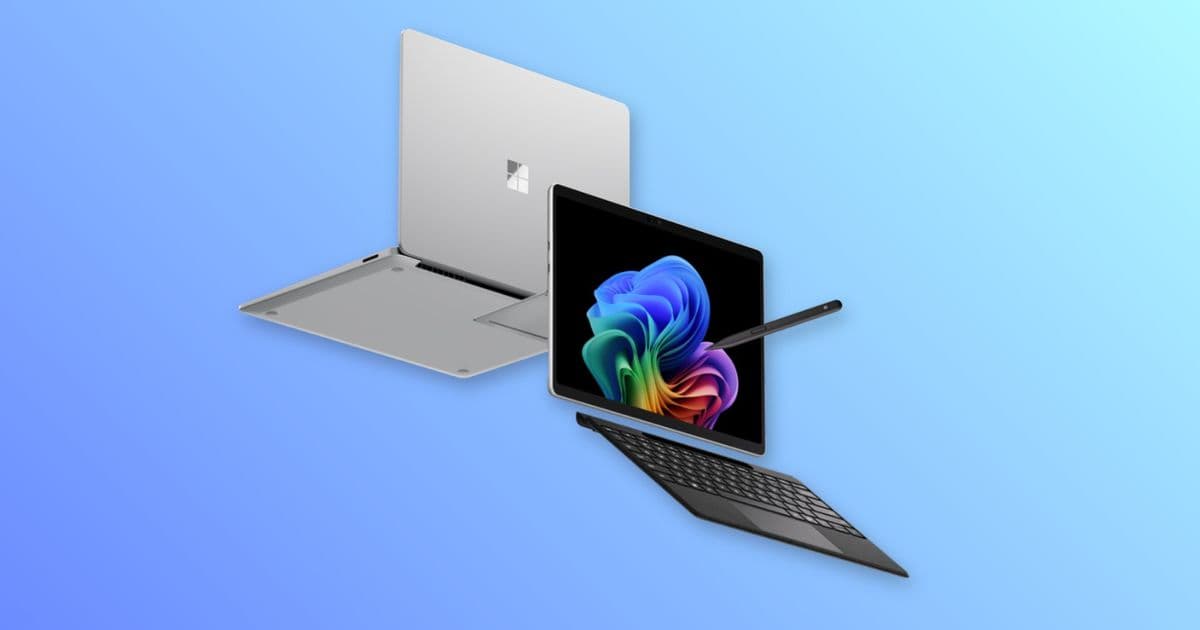
Microsoft unveils new Surface for Business devices featuring Intel's Panther Lake chips, with a notably cost-optimized 13-inch Surface Laptop starting at $1,299 with 8GB RAM amid the AI hardware race.
Microsoft has expanded its Surface for Business lineup with devices powered by Intel's upcoming Panther Lake processors, introducing a mix of performance upgrades and cost optimizations that reflect the current semiconductor market dynamics. The new lineup includes a refreshed 13-inch Surface Laptop, Surface Laptop 8 in two display sizes, and the Surface Pro 12 2-in-1 tablet, all targeting the enterprise segment with premium pricing and specialized features.
Panther Lake Architecture and Performance Implications
The cornerstone of this refresh is Intel's Panther Lake platform, representing a significant architectural shift from the previous Meteor Lake generation. While specific technical details remain limited prior to Intel's official launch, industry analysts expect Panther Lake to deliver approximately 15-20% improved performance-per-watt over its predecessor, with enhanced AI acceleration capabilities through Intel's XPU architecture.
The new Surface devices utilize several Panther Lake SKUs:
- Core Ultra 5 325 (13-inch Surface Laptop)
- Core Ultra 5 335 (Surface Laptop 8 and Surface Pro 12)
- Core Ultra 7 366H (Surface Pro 12, though not yet available in configurator)
- Core Ultra X7 368H with Arc B390 graphics (high-end Surface Laptop 8 option)
These chips are manufactured on Intel's 20A process node, marking the company's first implementation of RibbonFET transistors and PowerVia backside power delivery. This manufacturing advancement enables better power efficiency and performance, crucial for Microsoft's claims of 21-23 hours of local video playback across the lineup.
Memory Configuration Trade-offs
The most controversial aspect of the new lineup is the introduction of an 8GB RAM option for the 13-inch Surface Laptop at $1,299. This configuration stands in stark contrast to current industry standards, especially given Microsoft's own requirements that 16GB of RAM is necessary for Copilot+ compatibility.
"In 2026, 8GB of RAM represents a significant compromise," explains semiconductor analyst Sarah Chen. "While Intel's Panther Lake includes improved memory compression technologies, the fundamental limitation remains. For comparison, flagship smartphones now commonly feature 12GB of RAM, and Apple's entry-level MacBook Neo faced criticism for its 8GB configuration at half the price."
The memory decision likely reflects supply chain considerations and cost targets rather than technical requirements. With global DRAM prices still recovering from 2022-2023 shortages, manufacturers face difficult choices between maintaining specifications and achieving price points that remain competitive in the enterprise market.
Surface Laptop 8: Premium Business Computing
The Surface Laptop 8 series positions itself as Microsoft's premium business offering, available in 13.8-inch and 15-inch configurations. The base 13.8-inch model starts at $1,949 with a Core Ultra 5 335 CPU, 16GB LPDDR5x RAM, and 256GB PCIe 4.0 storage. The 15-inch variant begins at $2,149, offering a higher resolution 3270x2180 display (262 PPI) compared to the 13.8-inch model's 201 PPI.
Both variants support upgrades up to a Core Ultra X7 368H with Arc B390 discrete graphics, 64GB of RAM, and 1TB of storage, with the fully configured model priced at $4,499. This positions the Surface Laptop 8 as a direct competitor to Apple's MacBook Pro lineup, though with some trade-offs in display technology and raw performance.
Notably, the Surface Laptop 8 introduces "advanced haptics" in the trackpad, providing tactile feedback for various interactions. This feature leverages the improved processing capabilities of Panther Lake to simulate physical button clicks and window snapping, potentially enhancing user productivity in business environments.
Surface Pro 12: Evolutionary Refinement
The Surface Pro 12 continues Microsoft's 2-in-1 tablet tradition with a 13-inch PixelSense display. Starting at $1,949 with a Core Ultra 5 335 CPU and 16GB RAM, it maintains the Surface Connect magnetic attachment system for compatibility with existing accessories.
While Microsoft's specifications list options for Core Ultra 7 366H CPUs, OLED displays, and higher storage capacities, these configurations were not available in the device configurator at launch. This discrepancy suggests potential supply constraints or staged rollout plans, common with new processor launches.
The Surface Pro 12 includes two cameras—a 10-megapixel 4K rear shooter and a 1440p front-facing webcam—along with Thunderbolt 4 connectivity and Wi-Fi 7 support. Battery life is rated at up to 17 hours, slightly lower than the laptop models but competitive for the 2-in-1 category.
Market Positioning and Supply Chain Context
Microsoft's pricing strategy reflects the current semiconductor market conditions. With Intel's Panther Lake representing a significant architectural advancement, the company has invested heavily in these new chips, passing some costs to consumers while attempting to maintain competitive positioning.
"The enterprise market has become more price-sensitive since 2020," notes tech industry analyst Michael Torres. "Microsoft is balancing premium features with cost constraints, particularly in the entry-level Surface Laptop. The 8GB configuration may appeal to budget-conscious enterprise buyers who don't require local AI processing, though it represents a gamble on future-proofing."
The business-focused models include additional security features, enhanced remote management capabilities, and extended support periods compared to consumer variants. These additions justify the premium pricing while addressing specific enterprise requirements for stability and security.
From a supply chain perspective, Microsoft's decision to offer both 16GB and 8GB configurations likely reflects inventory management strategies. With DRAM costs remaining volatile, the ability to offer multiple memory tiers provides flexibility in production and pricing without compromising core functionality for most business applications.
Competitive Landscape
The new Surface lineup faces significant competition from Apple's refreshed MacBook Air and Pro models, particularly in the premium segment. Apple's M-series chips continue to lead in performance-per-watt, though Intel's Panther Lake aims to narrow this gap with improved architecture and manufacturing processes.
In the Windows ecosystem, Microsoft competes with Dell's Latitude series, HP's EliteBooks, and Lenovo's ThinkPads. The Surface brand's advantage lies in its tight integration with Windows and premium build quality, though historically at higher price points than many business-focused alternatives.
The introduction of an 8GB RAM option at $1,299 positions the 13-inch Surface Laptop as an entry point in the premium market, though it remains significantly more expensive than many business-focused alternatives with similar specifications. This pricing strategy suggests Microsoft is targeting organizations that value the Surface ecosystem and design language above raw specifications.
Future Considerations
As Intel's Panther Lake becomes more widely available, Microsoft may expand the configuration options across its Surface lineup. The absence of higher-tier CPU options and OLED displays in the initial configurator suggests a staged rollout strategy, potentially timed with broader availability of these components.
The memory configuration debate will likely intensify as AI capabilities become more central to computing. Microsoft's own Copilot+ requirements create an interesting tension between marketing AI features and offering configurations that cannot fully utilize them. This may lead to further segmentation in the market between AI-capable and traditional computing devices.
For enterprise buyers, the new Surface lineup offers a balance of premium design, business features, and Intel's latest processing technology. The memory configuration choices will ultimately depend on specific use cases, with 8GB sufficing for basic productivity tasks while 16GB remains necessary for AI workloads and more demanding applications.
Microsoft's Surface for Business lineup with Panther Lake processors represents the company's continued commitment to the premium Windows market segment. As the semiconductor industry evolves and AI becomes more integrated into everyday computing, these devices will serve as important indicators of how manufacturers balance performance, features, and cost in an increasingly competitive landscape.
Comments
Please log in or register to join the discussion