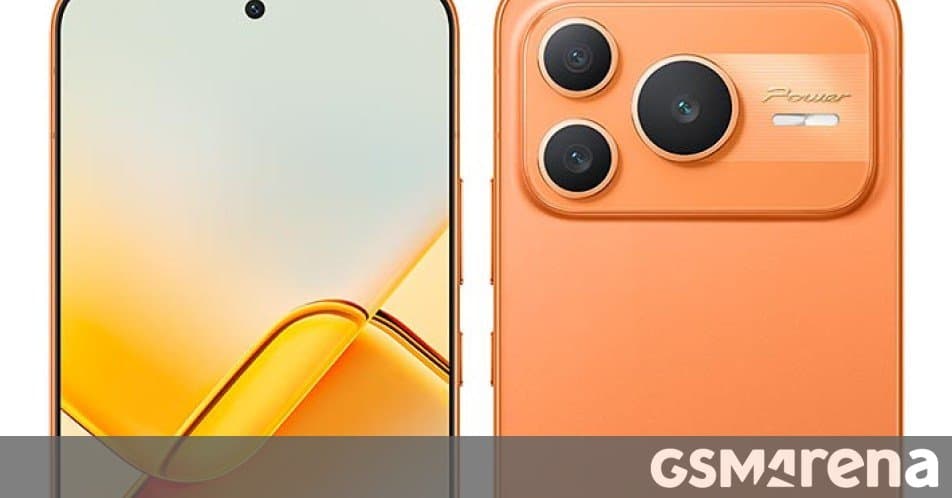
Honor is reportedly developing the Power3 smartphone, which aims to break the mainstream smartphone battery capacity record with an unprecedented 11,000-12,000 mAh battery, powered by the MediaTek Dimensity 8600 SoC and featuring a 6.8-inch 1.5K OLED display.
The smartphone battery capacity race is heating up as Honor prepares to launch its Power3 device, which is expected to shatter existing records for mainstream smartphones with a massive 11,000-12,000 mAh battery. This significant leap forward comes just months after the Honor Power2 set a high bar with its 10,080 mAh battery capacity.
The reported specifications suggest that the Power3 will represent a substantial evolution from its predecessor. While the exact battery capacity hasn't been finalized, the potential increase of 920-1,920 mAh over the Power2 would make this device a standout in the smartphone market for endurance enthusiasts and power users alike.
Under the hood, the Honor Power3 will reportedly be powered by the upcoming MediaTek Dimensity 8600 System-on-Chip (SoC). This represents a generational leap over the Dimensity 8500 found in the Power2, promising improved performance, efficiency, and possibly better thermal management to handle the demands of such a large battery. MediaTek has been making significant strides in the mid-range to high-end processor market, and the Dimensity 8600 is expected to continue this trend.
The display specifications appear to carry over some elements from the previous model while introducing improvements. The Power3 will reportedly feature a 6.8-inch flat LTPS (Low-Temperature Polycrystalline Silicon) OLED screen with "1.5K" resolution. This display technology offers good color accuracy and energy efficiency, which is particularly important when paired with such a large battery. The "1.5K" designation likely refers to a resolution between Full HD (1920x1080) and Quad HD (2560x1440), possibly around 2778x1284 pixels, which strikes a balance between sharpness and power consumption.
Battery technology in smartphones has evolved significantly over the past decade. While early smartphones typically featured batteries in the 1,500-2,000 mAh range, modern flagships now commonly range from 4,000 to 5,000 mAh. The Honor Power2's 10,080 mAh battery was already exceptional, pushing the boundaries of what's considered practical in a mainstream smartphone. The Power3's potential 11,000-12,000 mAh capacity would represent another significant leap, potentially enabling multi-day usage for average users and extended heavy usage for power users.
However, implementing such a large battery presents several engineering challenges. Physical space constraints within the phone chassis must be addressed, potentially impacting the device's thickness or internal component layout. Heat management becomes more critical with larger batteries, especially during fast charging. Honor will need to balance these factors while maintaining a user-friendly form factor.
The MediaTek Dimensity 8600 SoC will play a crucial role in managing the power demands of such a large battery. Modern chipsets incorporate sophisticated power management systems that can optimize performance based on usage patterns, battery status, and thermal conditions. This efficiency, combined with the large battery capacity, could result in exceptional battery life that sets new standards for the industry.
From an ecosystem perspective, the Power3 demonstrates how manufacturers are differentiating their products in an increasingly competitive market. While camera quality, display technology, and processing power have been traditional battlegrounds, battery life is becoming an increasingly important factor for consumers. Honor's focus on battery capacity aligns with growing consumer demand for devices that can last longer between charges, reducing the need for frequent charging and alleviating "battery anxiety."
The device's potential impact extends beyond just Honor. If successful, the Power3 could prompt other manufacturers to prioritize battery capacity in their own product lines, potentially leading to a new standard for smartphone battery endurance. This could accelerate innovation in battery technology, fast charging solutions, and power management systems across the industry.
For consumers, the Power3 represents an interesting option for those who prioritize battery life above other features. The combination of a massive battery and a mid-to-high-end processor could make this device particularly appealing to travelers, outdoor enthusiasts, or anyone who frequently finds themselves away from charging opportunities for extended periods.
As with any pre-release information, these specifications should be treated as preliminary. Honor may adjust the final specifications before launch, and real-world performance may vary from expectations. However, the reported details suggest that the Power3 will be a significant device in the smartphone market, particularly for users who value battery capacity above all else.
The Honor Power3 is expected to be released in the coming months, giving the company time to finalize specifications and address any engineering challenges associated with implementing such a large battery in a mainstream smartphone. Until then, tech enthusiasts and potential buyers will be watching closely for more official information and hands-on reviews that can confirm these impressive capabilities.
Comments
Please log in or register to join the discussion