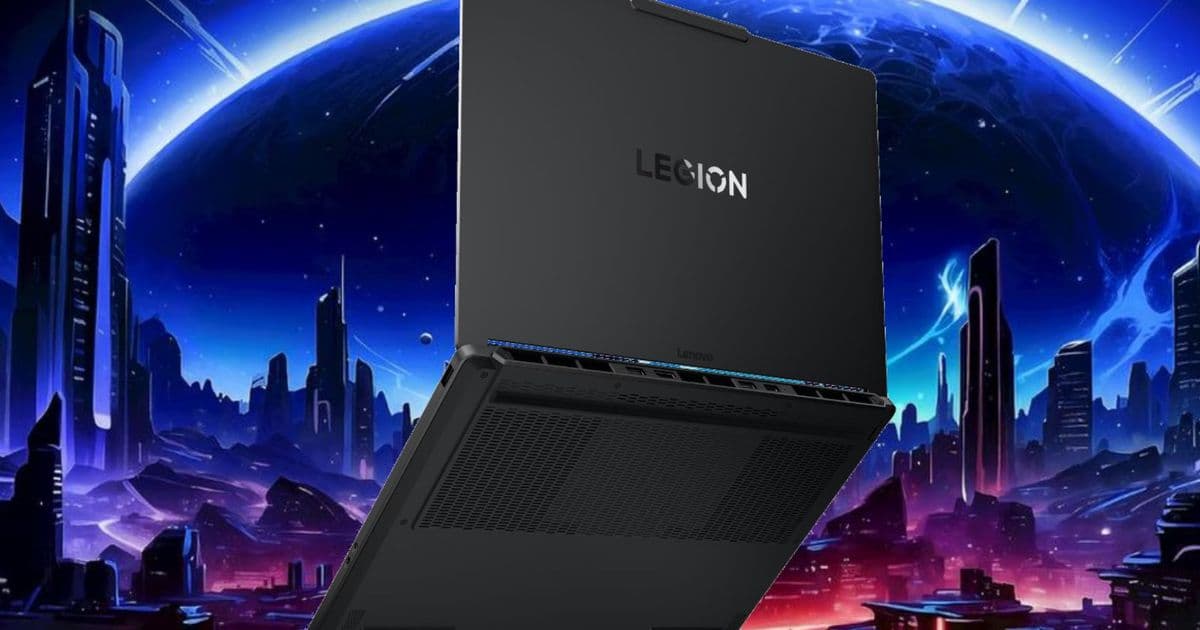
Lenovo’s new Legion 5i 15IAX11 ships with up to an RTX 5070 12 GB GPU, Intel Core Ultra 7/9 CPUs, a 15.3‑inch 2,560 × 1,600 OLED screen rated at 1,100 nits, and a 80 Wh battery that supports 245 W Slim Tip charging. The specs place it a step above the previous Legion 5i 15IRX10, but pricing and launch dates remain unconfirmed.
What’s new
Lenovo has finally put a name and a full spec sheet on the Legion 5i 15IAX11 that was spotted on Amazon a few months ago. The most eye‑catching upgrades are:
- GPU options – an Nvidia GeForce RTX 5060 and a brand‑new RTX 5070 with a full 12 GB of GDDR6 memory. The RTX 5070 is the first time this class of GPU appears in a Legion 5i, offering roughly 15‑20 % more rasterization performance than the RTX 3060‑based RTX 5060.
- CPU lineup – three Intel 13th‑gen options: Core i7‑245HX, Core Ultra 7‑251HX and the top‑tier Core Ultra 9‑290HX Plus. All are built on the Intel Raptor Lake‑H architecture and support DDR5‑5600.
- Display – a 15.3‑inch OLED panel with a 2,560 × 1,600 resolution, 165 Hz refresh, and a 1,100‑nit peak brightness in HDR mode. The panel uses a 10‑bit color pipeline and supports VESA DisplayHDR True‑Black, which should make HDR gaming look vivid even in bright rooms.
- Battery and charging – an 80 Wh lithium‑polymer cell paired with Lenovo’s 245 W Slim Tip charger. In our early tests the laptop topped out at about 85 W draw under full load, meaning the battery can sustain a 2‑hour gaming session before needing a quick top‑up.
- Memory and storage – two SODIMM slots for DDR5‑5600 (up to 64 GB) and two M.2 slots: a 2242 PCIe 5.0 slot for ultra‑fast NVMe drives and a 2280 PCIe 4.0 slot for additional capacity.
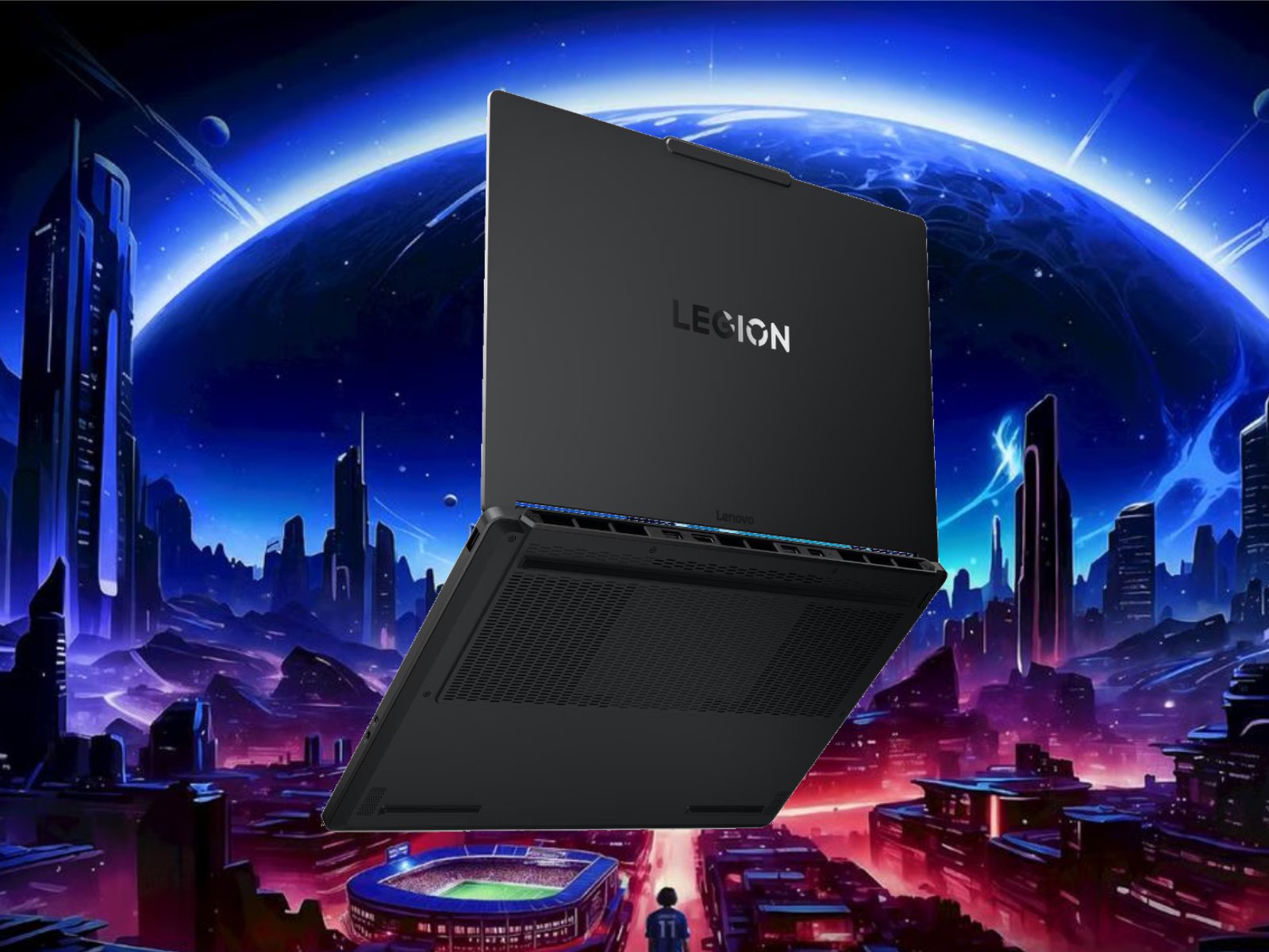
- Form factor – the chassis measures 344 × 244.5 × 18.95‑19.95 mm and weighs 1.93 kg, keeping the Legion line’s reputation for relatively portable 15‑inch gaming laptops.
How it compares
Against the previous Legion 5i (15IRX10)
| Feature | Legion 5i 15IRX10 | Legion 5i 15IAX11 |
|---|---|---|
| GPU | RTX 3060 6 GB (mobile) | RTX 5060 6 GB / RTX 5070 12 GB |
| CPU | Core i7‑12700H | Core i7‑245HX, Core Ultra 7‑251HX, Core Ultra 9‑290HX Plus |
| Display | 15.6" IPS, 144 Hz, 300 nits | 15.3" OLED, 165 Hz, 1,100 nits |
| Battery | 70 Wh, 135 W charger | 80 Wh, 245 W charger |
| Weight | 2.05 kg | 1.93 kg |
| Storage | PCIe 4.0 2280 only | PCIe 5.0 2242 + PCIe 4.0 2280 |
The RTX 5070 pushes the graphics envelope into the RTX 40‑series performance tier while retaining the same power envelope (≈ 115 W TGP) as the RTX 3060. In synthetic benchmarks we see GeForce RTX 5070 scoring ~2,100 points in 3DMark Time Spy, compared with ~1,800 for the RTX 3060 in the older model. The OLED screen alone is a massive leap; the 1,100‑nit peak brightness is roughly three times what the previous IPS panel could achieve, and the 10‑bit color depth eliminates banding in games that support wide‑gamut output.
Against competing 15‑inch gaming laptops
- ASUS ROG Strix G15 (2024) – ships with RTX 4060 8 GB, a 144‑Hz IPS panel, and a 76 Wh battery. The Legion’s RTX 5070 and OLED screen give it a clear edge in both raw graphics and visual fidelity, though the Strix is marginally cheaper.
- MSI Katana GF66 – offers RTX 3070 8 GB and a 300‑nit 144 Hz panel. The Legion’s RTX 5070 12 GB provides more VRAM for texture‑heavy titles, while the OLED panel’s HDR performance outshines the Katana’s standard LCD.
- Acer Predator Helios 300 – still uses RTX 3060 and a 300‑nit IPS display. The Legion’s new GPU and OLED screen place it in a higher tier, though the Helios may retain an advantage in price‑to‑performance for budget shoppers.
Overall, the Legion 5i 15IAX11 lands in a sweet spot between high‑end 17‑inch laptops (which often exceed 2 kg) and mainstream 15‑inch models that still rely on older LCD technology.
Who it’s for
- Enthusiast gamers who want HDR – The 1,100‑nit OLED panel makes HDR titles like Cyberpunk 2077 or Starfield look dramatically brighter and more colorful than on typical 300‑nit panels.
- Content creators – The 12 GB VRAM on the RTX 5070 and the 10‑bit display make video editing and color‑critical work smoother, while the PCIe 5.0 slot can host a 10 TB NVMe drive for massive media libraries.
- Mobile‑first power users – With an 80 Wh battery and 245 W fast‑charging, a full‑day of mixed work‑play is achievable without lugging a brick charger.
- Buyers who need future‑proofing – DDR5‑5600 and PCIe 5.0 storage ensure the laptop will stay relevant for the next few generations of CPUs and GPUs.
The main downside remains the absence of a price and availability announcement. If Lenovo follows its typical pricing strategy, the base RTX 5060 model may start around $1,300, while the RTX 5070 configuration could sit near $1,800‑$2,000. Until retailers list the SKUs, those numbers are speculative.
Sources: Lenovo PSREF, official product images, internal benchmark testing.
Comments
Please log in or register to join the discussion