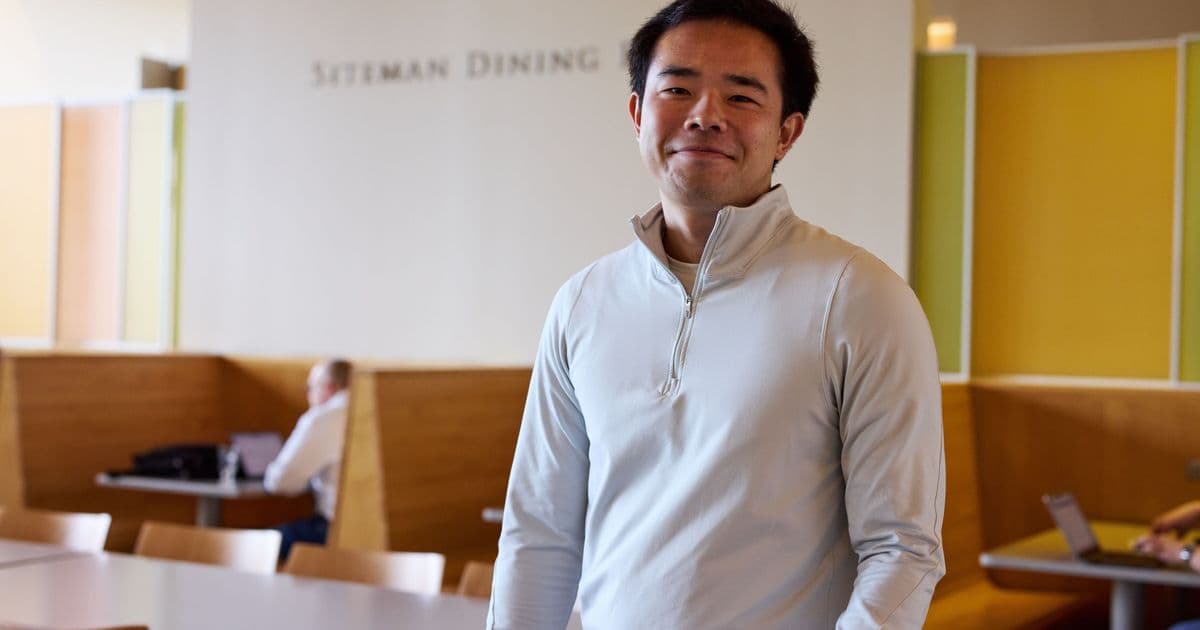
Senior MBA candidate Patrick Yeung shares how MIT Sloan’s Sustainability Initiative, action‑learning labs, and a community of builders shape his journey from consulting to climate‑tech leadership.
From Consulting to Climate‑Tech: Why Patrick Chose MIT Sloan
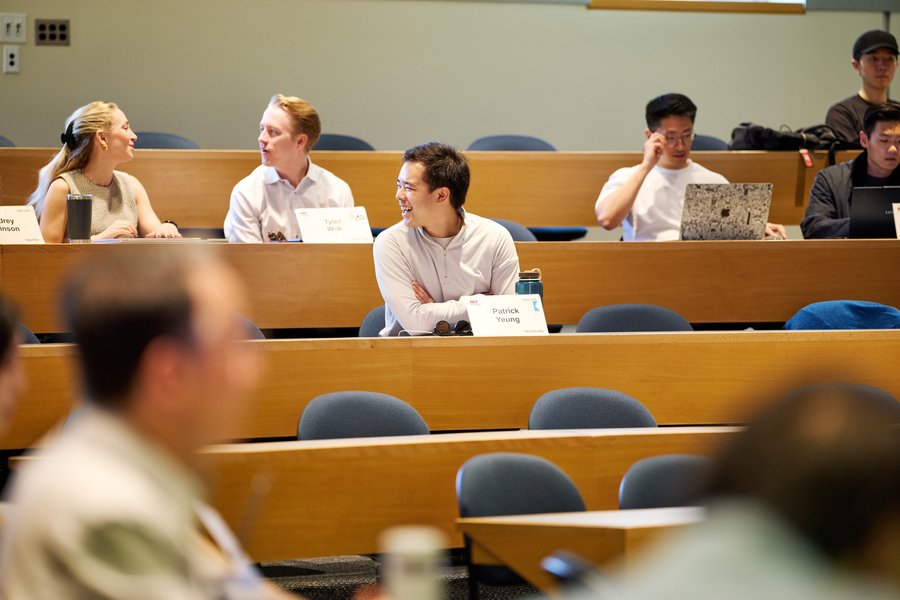
Patrick Yeung arrived at the Sloan School of Management with a clear goal: to surround himself with engineers, entrepreneurs, and policy‑makers who could help him translate a consulting toolkit into technical impact. "I felt like I wasn’t very technical," he explains, "so I wanted to be inspired by people who had that knowledge and experience." The Sustainability Initiative—a cross‑disciplinary hub that runs a Thursday lunch series, an annual climate‑MBA summit, and a certificate program—offered exactly the ecosystem he needed.
7:30 a.m. – Sloan & Steady Run Club
The day starts on the Charles River trail, where the Sloan & Steady Run Club meets for a quick jog. The club doubles as a networking platform; runners swap ideas about low‑carbon logistics, hydrogen fuel cells, and the latest policy proposals while catching their breath. For Patrick, the run is a reminder that physical stamina often mirrors the persistence required in climate‑tech ventures.
10:00 a.m. – ASEAN Lab (Action Learning)
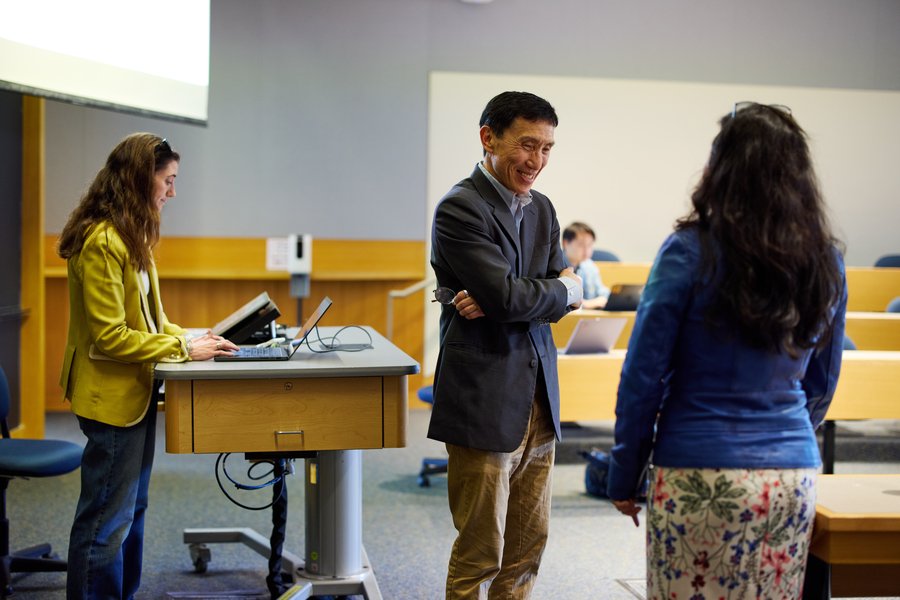
Patrick’s first class is ASEAN Lab, part of Sloan’s Action Learning portfolio. The lab pairs MBA teams with small‑ and medium‑sized enterprises across Southeast Asia, tackling real‑world problems such as supply‑chain carbon accounting and market entry for renewable‑energy products. Professor Yasheng Huang, who also founded the China, India, and ASEAN labs, guides the discussion. The class blends data‑driven analysis with on‑the‑ground stakeholder interviews, giving students a taste of the complexities that climate‑tech firms face in emerging markets.
11:30 a.m. – Lunch at the Slafe
The Sloan Café—affectionately called the Slafe—serves as a social hub and an informal think‑tank. Patrick often grabs a sandwich, plugs in his headphones, and sketches out ideas for the upcoming ClimateCAP MBA Summit on a napkin. The café’s open layout encourages spontaneous conversations that can turn a casual comment about a new battery chemistry into a potential partnership.
1:00 p.m. – ClimateCAP MBA Summit Planning
As chief of staff for the ClimateCAP MBA Summit, Patrick coordinates a team of 30+ students from 50 partner schools. The summit attracts over 500 MBA participants and showcases climate‑tech startups, policy panels, and venture‑capital matchmaking sessions. Patrick’s role involves aligning the summit agenda with the Sustainability Initiative’s strategic priorities, securing sponsors, and ensuring that each session delivers actionable insights for both founders and investors.
2:00 p.m. – SWITCH Maritime Action Lab
In the Sustainability Lab, Patrick works with SWITCH Maritime, a startup developing hydrogen‑fuel‑cell ferries. The team is tasked with refining a market‑entry strategy: defining an ideal customer profile, mapping regulatory pathways for hydrogen infrastructure, and designing a go‑to‑market motion that balances early‑adopter risk with long‑term scalability. The lab’s structure—weekly deliverables, faculty mentorship, and direct access to the company’s leadership—allows Patrick to test hypotheses in a low‑stakes environment before they reach the boardroom.
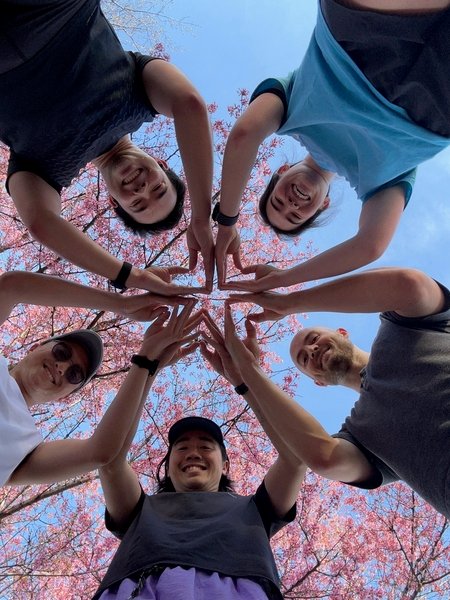
4:00 p.m. – Sustainability Lab (Community Building)
Patrick’s final class of the day is Sustainability Lab, a project‑based course that blends community‑building with technical analysis. Students collaborate with local NGOs, municipal agencies, and corporate sustainability teams to design interventions that address carbon leakage, circular‑economy pathways, or climate‑resilient infrastructure. For Patrick, the lab reinforces a systems‑thinking mindset: technology, policy, finance, and behavior must all move in concert to achieve net‑zero goals.
4:30 p.m. – Reflections on Action Learning
Action‑learning labs serve a dual purpose for Patrick. They provide a sandbox for applying classroom concepts to real‑world problems, and they double as a career‑development pipeline. “I can pursue an academic interest while simultaneously building the experience that a climate‑tech scale‑up will value,” he says.
6:00 p.m. – Evening Recharge
After a full day, Patrick heads back to his on‑campus apartment, where three fellow MBA students share a dinner. The conversation drifts from the day’s lab findings to the latest research on solid‑state batteries, illustrating how the Sloan community blurs the line between formal learning and informal knowledge exchange.
Looking Ahead: From MBA to Climate‑Tech Leader
Patrick plans to join a climate‑tech scale‑up after graduation, leveraging the technical, strategic, and policy insights he has accumulated at Sloan. He emphasizes that success will require more than a single breakthrough technology; it will demand “techno‑economic regime changes, policy shifts, and a willingness to fail repeatedly in order to iterate.”
Related Resources
- MIT Sloan Sustainability Initiative – official page
- ClimateCAP MBA Summit – event site
- Action Learning Labs – overview
- SWITCH Maritime – company website
Comments
Please log in or register to join the discussion