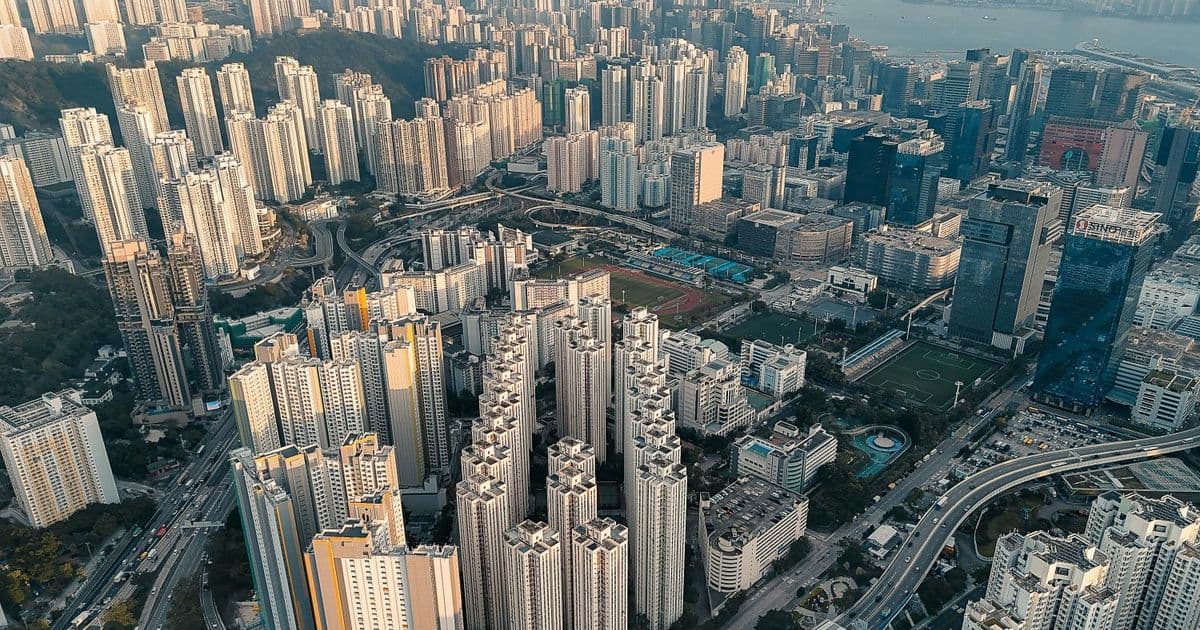
The MIT Center for Real Estate’s Asia Real Estate Initiative (AREI) is adding regional hubs in Tokyo, Dubai and Hong Kong to accelerate research, education and industry collaboration on sustainable urban growth, PropTech adoption, and resilient real‑estate investment across the rapidly urbanizing Asia‑Pacific and Gulf Corridor.
MIT Asia Real Estate Initiative Expands Footprint in Booming Asia‑Pacific Cities
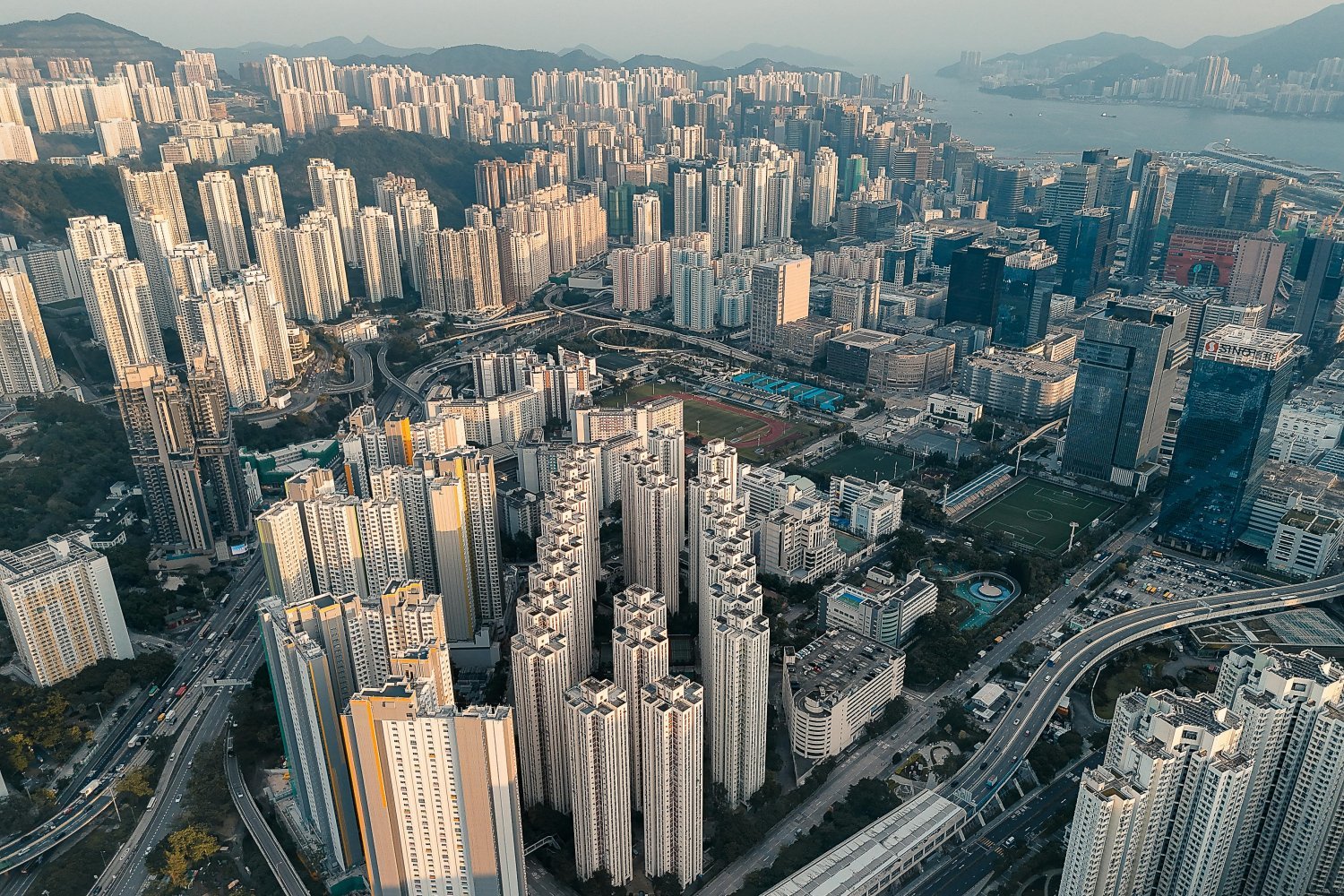
Urbanization in the Asia‑Pacific region is proceeding at a scale few other parts of the world can match. More than 2.2 billion people already live in cities across the region, and a further 1.2 billion are expected to move there by 2050, according to a joint United Nations‑ADB report released in February 2026. The surge strains housing, water, transportation and the environment, yet it also creates a laboratory for new planning models, financing mechanisms, and technology‑driven construction methods.
The MIT Center for Real Estate (CRE) responded to this dynamic by launching the MIT Asia Real Estate Initiative (AREI) in 2022. Co‑directed by Professor Siqi Zheng, faculty director of CRE and head of the Sustainable Urbanization Lab, and James Scott (MS ’16), director of industry programs and the Real Estate Transformation Lab, AREI is designed as a platform for collaborative research, education and industry engagement that can help Asian and Gulf cities manage growth while improving quality of life.
Technical Approach: Three Pillars Tailored to Asian Urban Needs
- Sustainable Cities and Real Estate – Leveraging MIT’s expertise in climate‑resilient design, the initiative develops metrics for energy‑efficient building envelopes, water‑recycling systems, and carbon‑neutral construction materials. Recent case studies in Shanghai and Seoul illustrate how life‑cycle assessment tools can reduce embodied carbon by up to 30 % when integrated early in the design process.
- Urban Vibrancy and Dynamics – AREI’s urban‑economics team applies high‑resolution spatial data (satellite imagery, mobile‑phone foot‑traffic, and transaction records) to model how density, land‑use mix, and public‑space design affect economic productivity and social inclusion. The methodology is being piloted in a mixed‑use redevelopment project in Dubai’s Al Barsha district.
- Technology and Innovation (PropTech) – Under Scott’s guidance, the initiative tracks adoption curves for digital twins, modular construction, blockchain‑based title registries, and AI‑driven market analytics. A recent partnership with a Japanese prefab‑builder demonstrated a 22 % reduction in construction schedule for a 15‑story residential tower in Osaka.
These pillars are not isolated; they intersect in real‑world projects that combine, for example, a digital twin of a Hong Kong waterfront district with a carbon‑budgeting framework, enabling stakeholders to test policy scenarios before ground is broken.
Real‑World Applicability: Hubs, Alumni Networks, and Student Engagement
Regional Hubs
- Tokyo Hub – Directed by Taka Kiura (MS ’00), former Heitman executive and founder of Base‑K and HyStat. The hub focuses on modular construction, AI‑enabled market forecasting, and cross‑border venture investment.
- Dubai Hub – Led by Ocean Saleem Jangda (MS ’25) of Majid Al Futtaim Properties. The hub concentrates on mixed‑use megaprojects, smart‑city infrastructure, and financing models that blend sovereign wealth with private equity.
- Hong Kong Hub (planned) – Will serve as a gateway to Greater China and Southeast‑Asia markets, offering internship pathways through MIT International Science and Technology Initiatives (MISTI) starting January 2027.
These hubs act as physical nodes for research teams, alumni meet‑ups, and industry workshops. By anchoring activities in local markets, AREI can test solutions at scale while feeding insights back to MIT classrooms.
Alumni‑Driven Learning
The initiative taps a 40‑year alumni network that spans the Asia‑Pacific and Gulf Corridor. Alumni such as Ryan Othman, who will launch a real‑estate development firm in Saudi Arabia after completing his master’s, are organizing MSRED field trips that expose students to mid‑size residential and industrial markets often overlooked by larger developers.
Classroom Integration
In the spring semester, Professor Zheng co‑taught 15.S67 – Special Seminar in Management, a project‑based course where interdisciplinary student teams tackled a real‑estate feasibility study for a transit‑oriented development in Singapore. The project combined GIS‑based demand modeling, carbon‑budget analysis, and a PropTech financing plan using tokenized equity.
Limitations and Challenges
While the initiative’s multi‑hub model offers geographic reach, it also introduces coordination complexity. Data sharing across jurisdictions encounters differing privacy regulations, especially in China and the United Arab Emirates. Moreover, the rapid pace of construction can outstrip the ability of academic research to validate long‑term outcomes; many sustainability metrics are only observable after several years of operation.
PropTech adoption, another focus area, faces uneven digital infrastructure. Rural‑adjacent districts in Indonesia lack reliable broadband, limiting the deployment of IoT sensors for building performance monitoring. The initiative therefore includes a policy‑advocacy component, working with municipal governments to develop standards that lower entry barriers for technology pilots.
Outlook
By weaving together rigorous research, hands‑on student projects, and a global alumni community, the MIT Asia Real Estate Initiative positions MIT to contribute practical solutions to the region’s most pressing urban challenges. As cities continue to expand at unprecedented speed, the ability to test, iterate, and scale sustainable, technology‑enabled real‑estate models will be essential for maintaining livable, resilient urban environments.
For more information on the initiative, visit the MIT Center for Real Estate and explore the upcoming AREI Hong Kong hub page.
Comments
Please log in or register to join the discussion