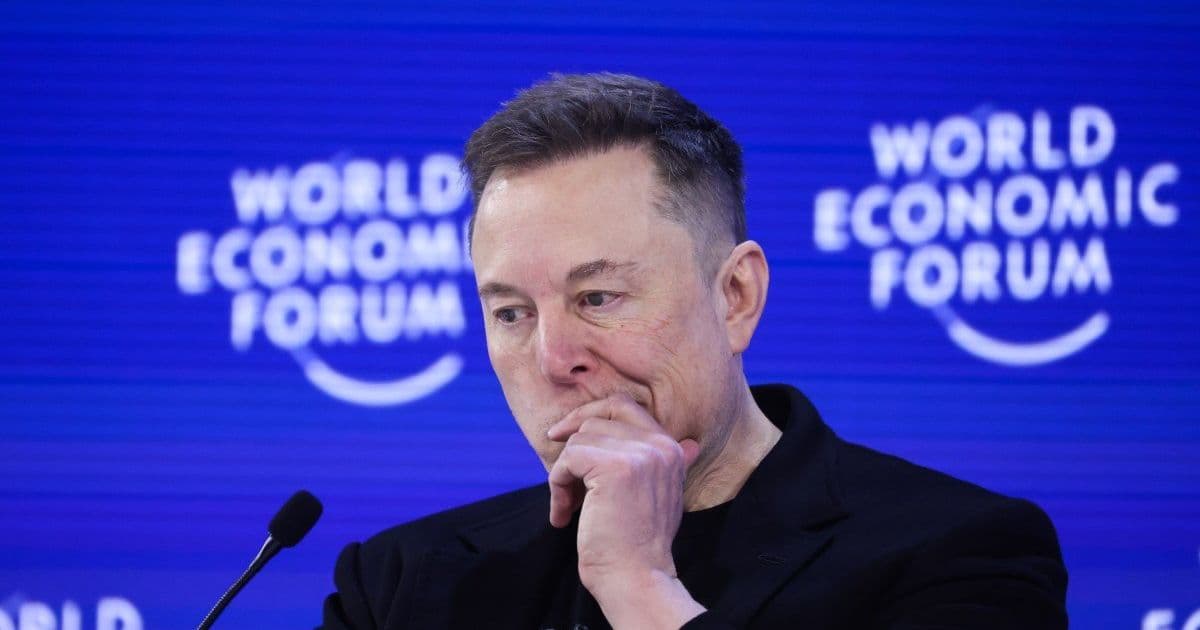
A California jury found that Elon Musk’s claims against Sam Altman, Greg Brockman, OpenAI and Microsoft were filed too late, ending the case that threatened to force a restructuring of OpenAI ahead of its planned IPO.
Elon Musk’s OpenAI lawsuit dismissed on statute‑of‑limitations grounds
A twelve‑person jury in the Northern District of California returned a unanimous verdict that Elon Musk’s civil actions against OpenAI’s leadership and Microsoft were barred by the applicable filing deadlines. The decision does not address the substantive allegations that Musk made about the creation of a for‑profit arm of OpenAI, but it does remove the most immediate legal threat to the company as it prepares for an initial public offering.
What the plaintiffs claimed
Musk’s complaint, filed in 2023, alleged that Sam Altman, Greg Brockman, OpenAI and its major investor Microsoft had "stolen a charity" by converting the nonprofit research organization into a for‑profit entity (OpenAI LP) and then using that structure to enrich themselves. The complaint sought damages in the tens of billions of dollars, citing Musk’s own estimates that the defendants had gained between $78.8 billion and $135 billion at his expense.
The case also included a claim that Microsoft had aided and abetted the alleged breach of charitable trust by providing cloud services and strategic support to the for‑profit arm.
What the court actually decided
The trial quickly narrowed to a procedural question: Did Musk file his claims within the statutory period defined by California law? The plaintiffs pointed to three separate counts, each with a different deadline:
| Count | Deadline (per the complaint) |
|---|---|
| 1 | August 5 2021 |
| 2 | August 5 2022 |
| 3 | November 14 2021 |
Judge Yvonne Gonzalez Rogers allowed the defendants to present a statute‑of‑limitations defense, arguing that the alleged harms occurred before the relevant dates. After less than two hours of deliberation, the jury agreed with the defense and found that all three claims were time‑barred. As a result, the case was dismissed with prejudice.
"There was a substantial amount of evidence to support the jury’s finding, which is why I was prepared to dismiss on the spot," the judge said after the verdict.
Why the procedural focus matters
The lawsuit was framed in the press as a battle over the ethics of turning a research nonprofit into a profit‑driven venture. In practice, the legal system can only act on claims that are timely. Even if a court were to find that OpenAI’s restructuring violated some fiduciary duty, the statute of limitations would still block any remedy unless the plaintiff could show a tolling event that reset the clock. Musk’s team did not succeed in convincing the jury that such an event existed.
Immediate consequences
- OpenAI’s restructuring remains intact. The company can continue to operate its for‑profit arm and pursue an IPO without the cloud of a large damages judgment.
- Microsoft’s partnership is unaffected. The firm issued a brief statement reaffirming its commitment to the collaboration, and no financial liability was attached to the verdict.
- Musk plans an appeal. His counsel, Marc Toberoff, announced an intention to seek review by the Ninth Circuit, arguing that the lower court misapplied the limitations period.
Broader context
The case highlights a recurring tension in the AI ecosystem: founders and early contributors often hold equity or charitable stakes that become ambiguous when a research organization commercializes its technology. Legal scholars have pointed out that charitable‑trust law and corporate‑governance law intersect in ways that are still being tested in courtrooms.
For practitioners, the takeaway is pragmatic: when negotiating the transition from nonprofit to for‑profit, clear documentation of timelines and consent can prevent later disputes from being dismissed on procedural grounds.
Related reading:
- OpenAI’s corporate structure explained in the official blog post
- A technical overview of the charitable‑trust doctrine on the LegalTech blog
The verdict does not settle the policy debate about how AI labs should be financed, but it does close the most immediate legal avenue Musk pursued.
Comments
Please log in or register to join the discussion