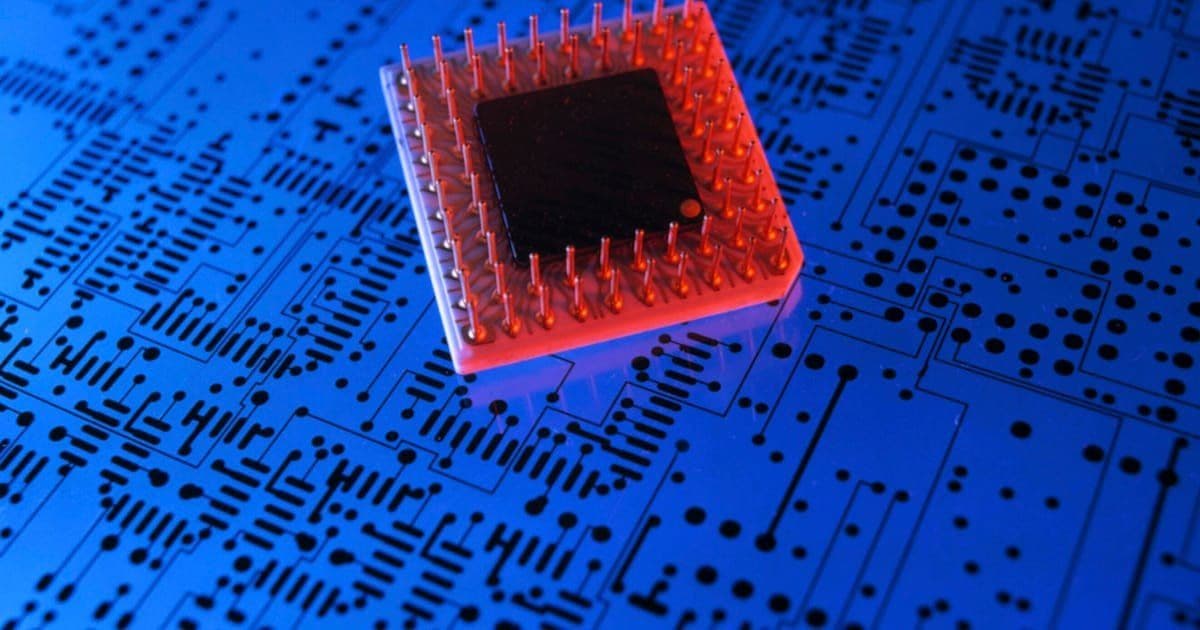
European Commission inaugurates major semiconductor research facility in Belgium, with ASML and Imec highlighting Europe's critical role in global chip technology as US dependence on European tech grows.
The European Union has inaugurated a €2.5 billion semiconductor research hub in Leuven, Belgium, marking a significant step in Europe's push for technological sovereignty and reducing dependence on Asian and American chip suppliers.
Strategic Investment in Semiconductor Independence
The research facility, launched by EU officials and tech executives, represents one of the bloc's largest investments in semiconductor technology. The hub aims to advance chip design, manufacturing processes, and next-generation semiconductor materials, positioning Europe as a key player in the global chip supply chain.
ASML, the Dutch semiconductor equipment giant, and Imec, Belgium's leading nanoelectronics research center, played central roles in the inauguration. Both companies emphasized the growing strategic importance of European chip technology, particularly for the United States.
Europe's Growing Influence on US Chip Technology
ASML CEO Peter Wennink highlighted that European chip manufacturing equipment has become indispensable to the global semiconductor industry. "The machines we produce are the ones the entire world would like to get," Wennink stated during the inauguration ceremony, underscoring Europe's critical position in the chip manufacturing ecosystem.
The dependence extends beyond just equipment. European research institutions and companies are increasingly providing the intellectual property, design expertise, and advanced materials that power semiconductor innovation worldwide, including in the United States.
Context of Global Chip Competition
This investment comes amid intensifying global competition for semiconductor dominance. The United States, China, and the European Union are all racing to secure their positions in the chip supply chain, recognizing that semiconductors are the foundation of modern technology, from smartphones to artificial intelligence systems.
The EU's initiative appears particularly timely given recent supply chain disruptions and geopolitical tensions that have exposed vulnerabilities in global chip manufacturing. By investing heavily in research and development, Europe aims to reduce its reliance on Asian manufacturing hubs while establishing itself as a technology leader.
Implications for the Global Tech Landscape
The new research hub could accelerate Europe's transition from being primarily a consumer of semiconductor technology to becoming a major innovator and supplier. This shift has significant implications for the global tech industry, potentially reshaping supply chains and technological dependencies.
For the United States, the growing European semiconductor ecosystem presents both opportunities and challenges. While European technology can complement American capabilities, increased European independence in chip technology could alter long-standing technological relationships and dependencies.
The €2.5 billion investment signals Europe's commitment to playing a more assertive role in the global technology arena, with semiconductors serving as a strategic foundation for broader technological sovereignty and economic competitiveness.
Comments
Please log in or register to join the discussion