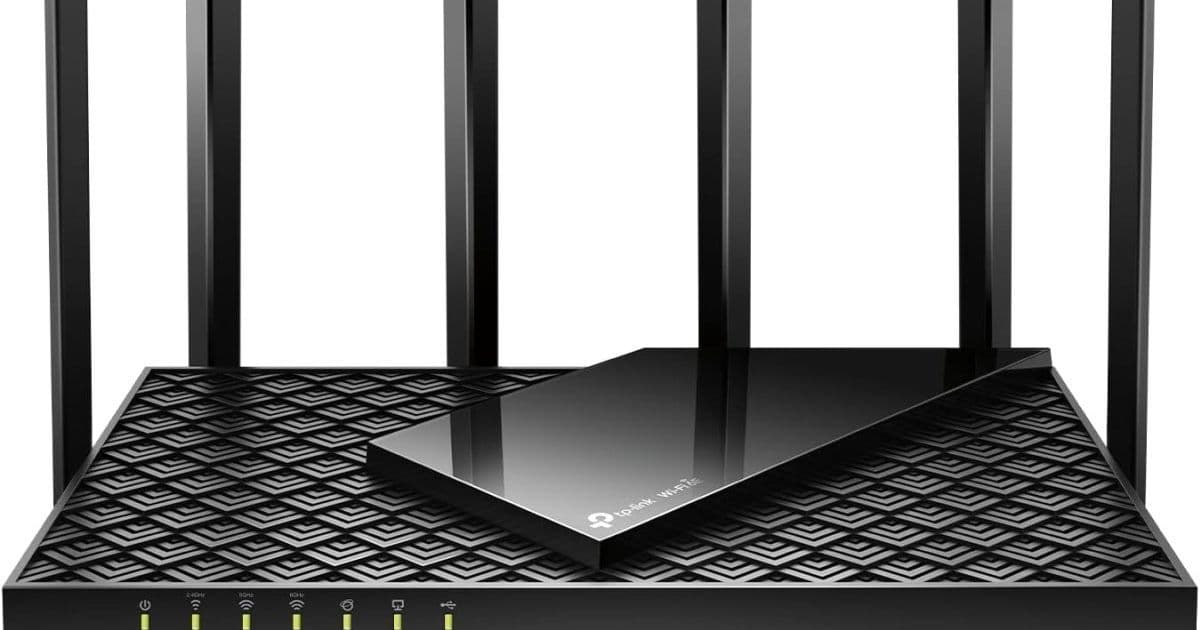
The FCC has banned imports of new consumer routers made outside the US, citing national security concerns and requiring manufacturers to either produce domestically or face restricted sales.
The US Federal Communications Commission has just announced a ban on imports of "all consumer-grade routers produced in foreign countries," which would be… almost all of them, except that the rule only affects new routers that haven't yet received FCC authorization.
Last year, news broke that government officials had been considering banning sales of TP-Link routers manufactured in China, ostensibly because of concerns that they could pose risks to national security. But the FCC's announcement goes much, much further by "prohibiting approval of new models" of any router manufactured outside the United States.
[TP-Link Archer AXE75 tri-band WiFi 6E router](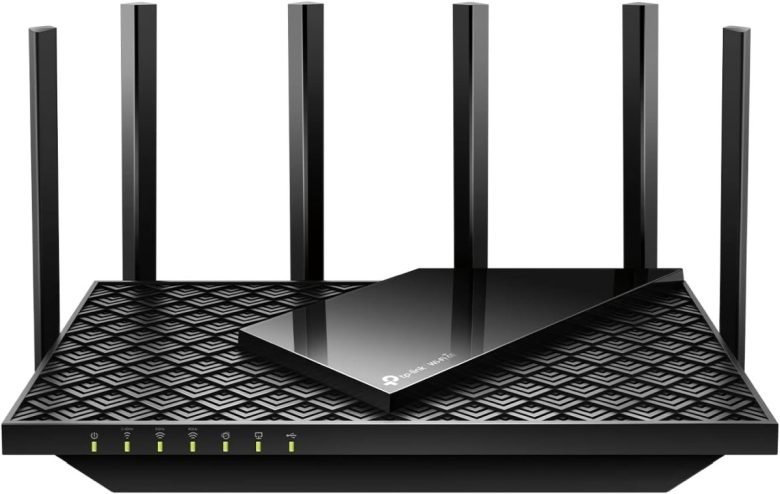 )
)
Without FCC authorization, router makers cannot import wireless networking gear to the United States and retailers cannot sell them. Since the rule only impacts authorization of new routers though, there's nothing stopping you from using a router that's already in your home, and nothing stopping retailers from continuing to market and sell routers that have already been authorized for sale in the US.
But with WiFi 7 adoption accelerating, and with tech companies already working on next-gen WiFi 8 technology, this new rule could pose some significant challenges in the coming years.
If the rule withstands legal challenges, customers in search of new routers wouldn't have many choices. While there are some major US-based companies (like Belkin, Cisco, Netgear, TRENDnet, and Ubiquiti) that make home networking gear, most of the hardware made by those companies is produced in Asia.
It sounds like the FCC rule would only allow those companies to sell new routers in the US if they start manufacturing them domestically. And some of the biggest brands in home networking are based outside of the US, including Asus, D-Link, and TP-Link, which are headquartered overseas.
The FCC is offering those companies (and the US-based ones) an option to apply "for Conditional Approval using the guidance attached to the determination" though. Conditional Approval can be granted for up to 18 months at a time to companies that provide the government with a bunch of details about their company, manufacturing and supply chain details… and promise "to establish or expand manufacturing in the United States for the router for which the applicant is seeking Conditional Approval."
Honestly, given the security theater involved in allowing existing routers to be sold while requiring companies to jump through hoops to certify new models, it's unclear that the FCC rule will do much to protect individual or national security. But it sure seems designed to put pressure on router makers to commit to manufacturing in the US.
Comments
Please log in or register to join the discussion