Eight protesters found guilty of material support for terrorism for wearing black bloc clothing during chaotic demonstration outside ICE facility, marking first use of such charges against alleged antifa members
A federal jury in Texas has delivered a controversial verdict in the trial of nine protesters arrested during a July 2025 demonstration outside an ICE detention facility, convicting eight defendants on terrorism-related charges while acquitting some on more serious attempted murder counts.
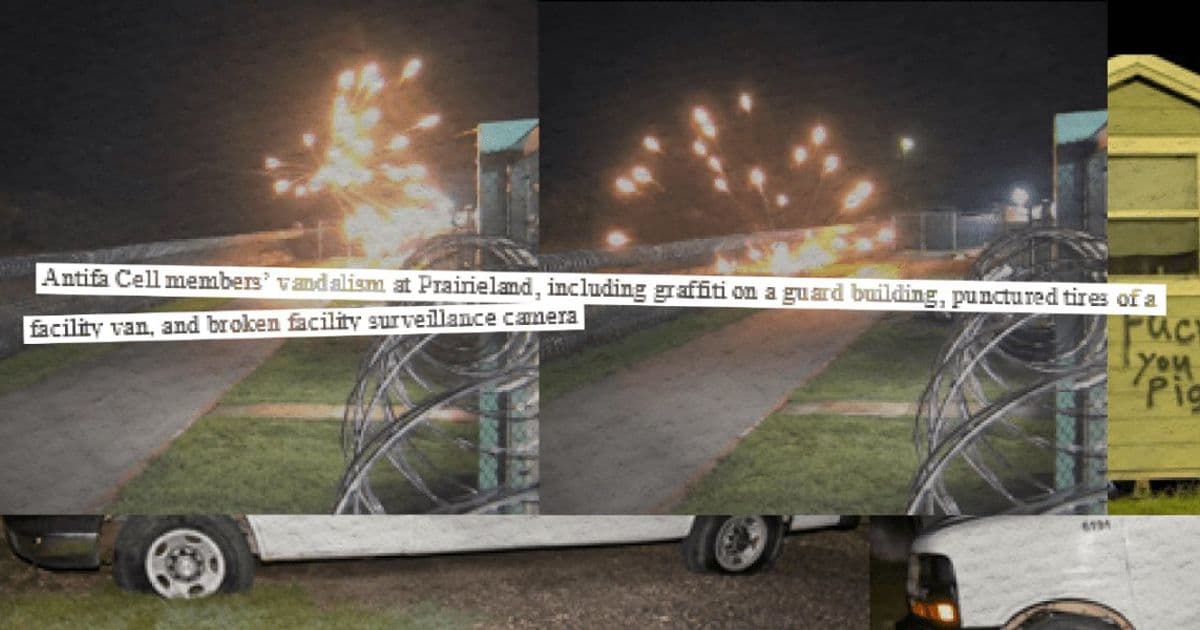
The trial, which concluded after 10 days of testimony in Fort Worth, centered on a chaotic July 4, 2025 protest outside Prairieland Detention Facility in Texas. Prosecutors argued that protesters who wore black clothing as part of an "antifa" tactic provided material support for terrorism when one demonstrator, Benjamin Song, shot a police officer responding to the scene.
Mixed Verdict on Serious Charges
Jurors convicted Song of attempted murder for shooting the officer in the neck with an AR-15 rifle modified for rapid fire. However, he was acquitted on two other attempted murder counts related to alleged shots fired at correctional officers. Song also faces conviction for discharging a firearm during a violent crime.
Four other defendants—Autumn Hill, Zachary Evetts, Megan Morris, and Maricela Rueda—were acquitted on attempted murder charges that carried potential life sentences. The acquittals represent a partial victory for the defense in what many observers viewed as an aggressive prosecution.
Terrorism Convictions Based on Clothing
The most controversial aspect of the verdict involved terrorism charges against eight defendants for wearing black clothing to the nighttime demonstration. Prosecutors successfully argued that the "black bloc" tactic—commonly used by left-wing protesters to conceal identities—constituted material support for terrorism because it allegedly assisted Song in carrying out the shooting.
Those convicted on material support charges include Song, Hill, Evetts, Savanna Batten, Morris, Rueda, Elizabeth Soto, and Ines Soto. Each faces up to 15 years in prison on that count alone.
Government's First Use of Material Support Charges
This prosecution marks the federal government's first use of material support for terrorism charges against alleged antifa members in domestic cases. The charges represent an expansion of anti-terrorism laws beyond their traditional application to international terrorism and foreign organizations.
"This is a sham trial, built on political persecution and ideological attacks coming from the top," said a support group for the defendants in a statement posted online. The group argued that the prosecution was politically motivated, targeting left-wing protesters in the context of the Trump administration's broader crackdown on anti-ICE demonstrations.
Evidence and Prosecution Strategy
Prosecutors presented evidence including Signal messages showing protesters believed less confrontational demonstrations were ineffective, as well as guns, ballistic vests, and trauma first-aid kits found among the group. The government called the wounded officer and detention center guards to testify about the shooting.
A significant prosecution witness was a researcher from a right-wing think tank who testified that the protesters' use of black bloc clothing and encrypted messaging apps like Signal were typical antifa tactics. The witness noted he also used Signal, suggesting its widespread adoption beyond activist circles.
Additional Convictions
Two defendants—Maricela Rueda and her husband Daniel Sanchez Estrada—were convicted of conspiracy to conceal documents. Prosecutors alleged Sanchez moved boxes containing radical pamphlets after Rueda's arrest. Sanchez also faced conviction for corruptly concealing a document.
All eight defendants convicted on terrorism charges also face convictions for riot and two explosives charges related to fireworks used during the protest.
Political Context and Reactions
Attorney General Pamela Bondi celebrated the verdict, stating: "Antifa is a domestic terrorist organization that has been allowed to flourish in Democrat-led cities—not under President Trump. Today's verdict on terrorism charges will not be the last as the Trump administration systematically dismantles Antifa and finally halts their violence on America's streets."
The FBI has identified "antifa" as a major domestic terror threat, according to a top official's December statement. The Prairieland case could encourage prosecutors to bring similar charges against left-wing protesters in other jurisdictions.
Defense Arguments
The defense characterized the protest as a peaceful demonstration meant to show solidarity with ICE detainees, pointing to the megaphone one protester brought to shout slogans. They argued that bringing guns was legal in Texas and that the group's preparation with first-aid kits and protective gear reflected standard protest safety measures rather than malicious intent.
Broader Implications
The verdict raises significant questions about the scope of anti-terrorism laws and their application to domestic protest movements. Legal experts note that using material support charges based on clothing choices represents an unprecedented expansion of terrorism statutes.
The case has drawn attention from civil liberties advocates concerned about the criminalization of protest tactics and the potential chilling effect on political demonstrations. The outcome may influence how future protests are organized and policed, particularly those targeting immigration enforcement agencies.
Next Steps
The defendants face sentencing on multiple counts, with potential prison terms ranging from several years to life imprisonment depending on the charges. The mixed verdict—convictions on terrorism charges but acquittals on attempted murder—suggests jurors grappled with the complex legal and factual issues presented during the trial.
The case represents a significant test of the Trump administration's approach to domestic protest movements and may set precedents for how similar demonstrations are prosecuted in the future.
Comments
Please log in or register to join the discussion