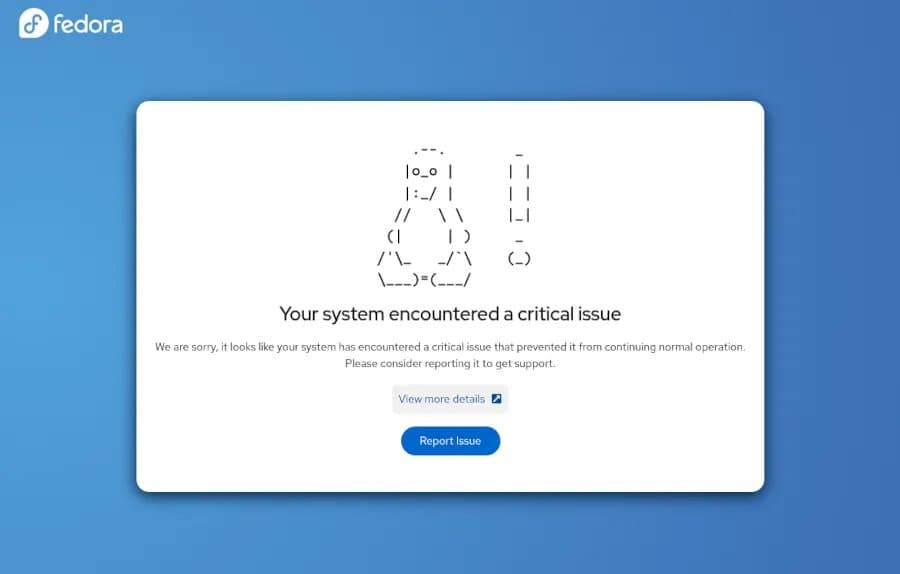
Fedora Linux developers are exploring a more user-friendly approach to kernel panic displays, proposing a custom web interface that could make error reporting as seamless as Windows' Blue Screen of Death.
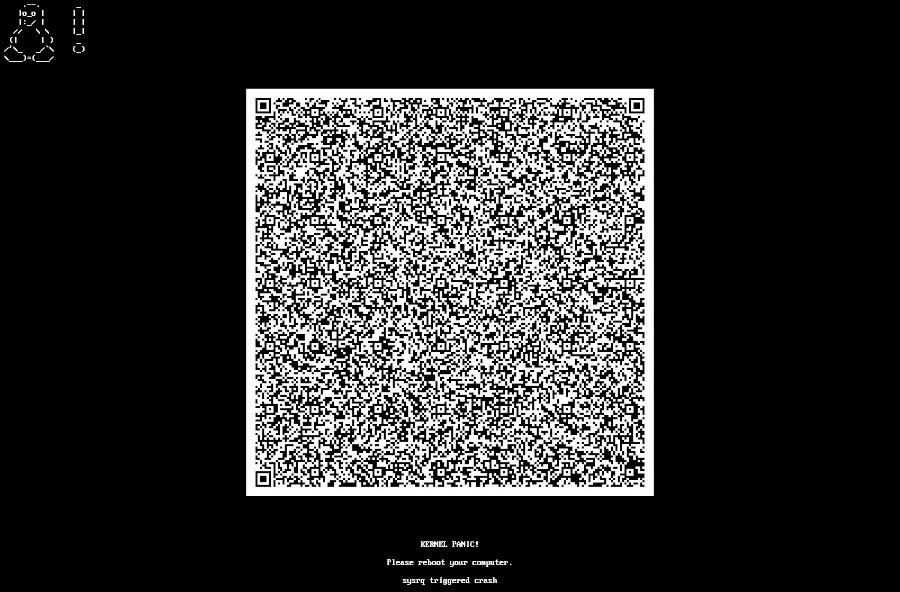
When your Linux system encounters a critical error, the current kernel panic display shows a QR code containing the kernel log - functional but not particularly user-friendly. A new proposal from Fedora developer José Expósito aims to transform this experience into something more akin to Windows' infamous Blue Screen of Death, but with a modern, web-based approach that could actually make troubleshooting easier.
The Current State of DRM Panic
DRM Panic, now supported by most Direct Rendering Manager (DRM) kernel graphics drivers, provides a visual interface during kernel panics by rendering a QR code with error information. While this represents a significant improvement over cryptic text dumps, the experience remains basic - just a QR code and some text on a black background.
The Fedora Proposal
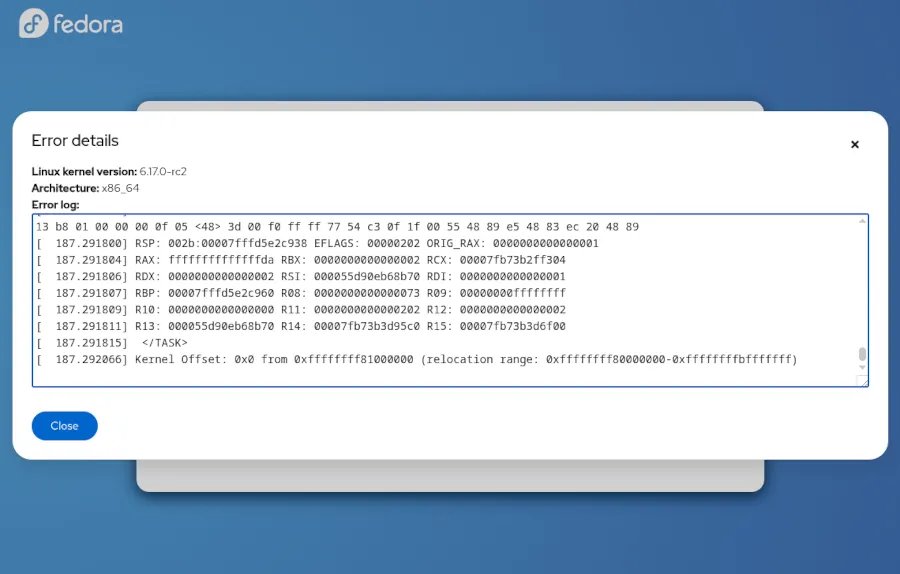
The proposed enhancement would replace the simple QR code display with a custom Fedora web page. This page would present the same error information but in a more polished, branded interface. The key innovation is making error reporting frictionless - users could potentially submit bug reports directly to Fedora's BugZilla tracker with just a few clicks.
"Rather than using DRM Panic with just the kernel log contents being encoded in the QR code displayed when a kernel panic occurs, the proposal is to have a customized Fedora web-page with the encoded QR contents to be shown on that web page," explains the proposal.
Why This Matters
Kernel panics are rare but critical events that often require technical expertise to diagnose and report. The current QR code approach, while clever, still requires users to manually capture the code, decode it, and then figure out how to report the issue. This friction often means valuable debugging information never reaches developers.
By integrating directly with Fedora's bug tracking system, the proposed solution could dramatically increase the quality and quantity of panic reports. Developers would receive not just the raw kernel logs, but also contextual information about the system state and potentially even automated collection of relevant system details.
Technical Implementation
Expósito has already developed a basic web interface prototype demonstrating the concept. The implementation would likely involve:
- A lightweight web server embedded in the panic handler
- A responsive web interface displaying error details
- Integration hooks to Fedora's BugZilla API
- Optional automated system information collection
- Clear instructions for users who prefer manual reporting
Comparison to Other Systems
Windows' Blue Screen of Death has evolved significantly over the years, with recent versions including QR codes and simplified error codes. However, Microsoft's approach still requires users to visit external websites and manually file reports. Fedora's proposal goes further by potentially automating much of the reporting process directly from the panic screen.
Community Response
As of now, the proposal is in "request for comments" stage on the Fedora mailing list. Early feedback appears positive, with developers recognizing the potential for improved user experience and better bug reporting. The open-source nature of the project means that if Fedora adopts this approach, other distributions could easily adapt the code for their own needs.
Potential Challenges
The proposal faces several technical hurdles:
- Size constraints: The panic handler must remain extremely lightweight
- Security: Ensuring the panic reporting system cannot be exploited
- Privacy: Users must have clear control over what information is shared
- Reliability: The reporting system itself must not interfere with panic handling
Looking Forward
If implemented, this enhancement could set a new standard for Linux error reporting. The combination of a polished user interface with streamlined bug reporting could help Fedora identify and fix kernel issues more quickly, benefiting the entire Linux ecosystem.
For users, this means that when the worst happens and their system encounters a critical error, they'll have a clear path forward rather than being left staring at an incomprehensible error code. For developers, it means better data to work with when hunting down elusive kernel bugs.
The proposal represents a thoughtful evolution of kernel panic handling - maintaining the technical robustness of DRM Panic while adding the user experience polish that makes open-source software more accessible to everyone. Whether other distributions adopt similar approaches remains to be seen, but Fedora's initiative could spark a broader conversation about error reporting in Linux.
As the proposal moves through the feedback and implementation phases, it will be interesting to see how the community responds and what refinements emerge. The balance between providing useful information and maintaining system stability during critical failures will be crucial to get right.
Comments
Please log in or register to join the discussion