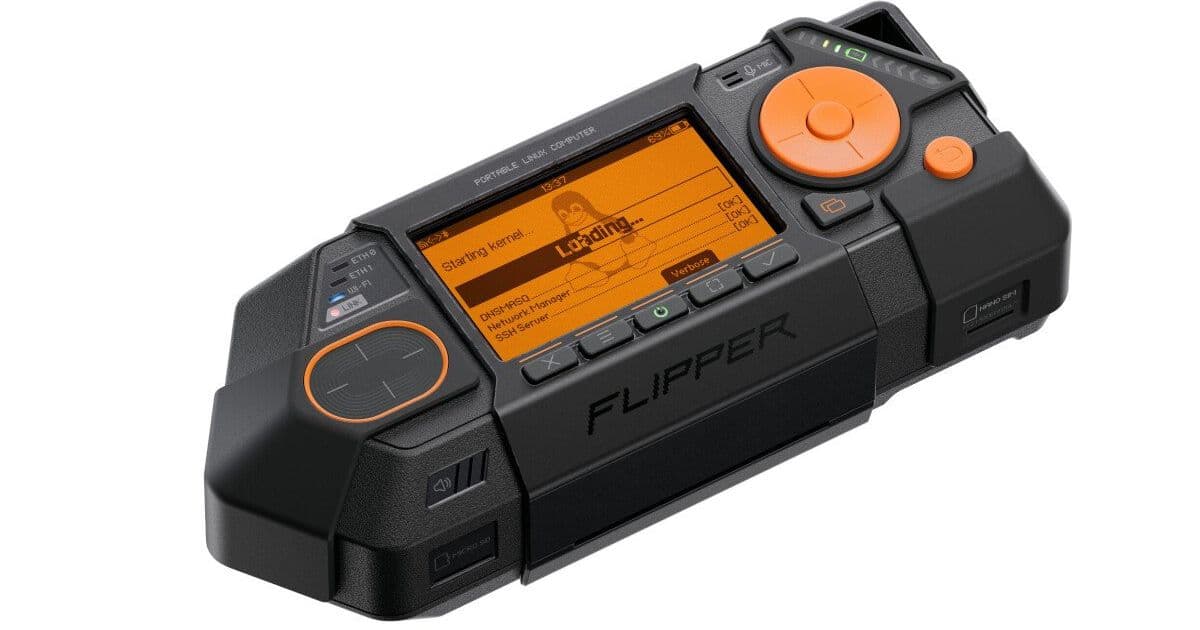
Flipper Devices unveiled the Flipper One, an ARM‑based Linux computer that emphasizes openness and mainline kernel support. With a Rockchip RK3576, 8 GB RAM, dual Ethernet, HDMI and expandable I/O, the device targets power users, but a $350 base price and uncertain supply chain raise questions about its market viability.
Flipper One Aims to Be the Linux Multi‑Tool in Your Pocket
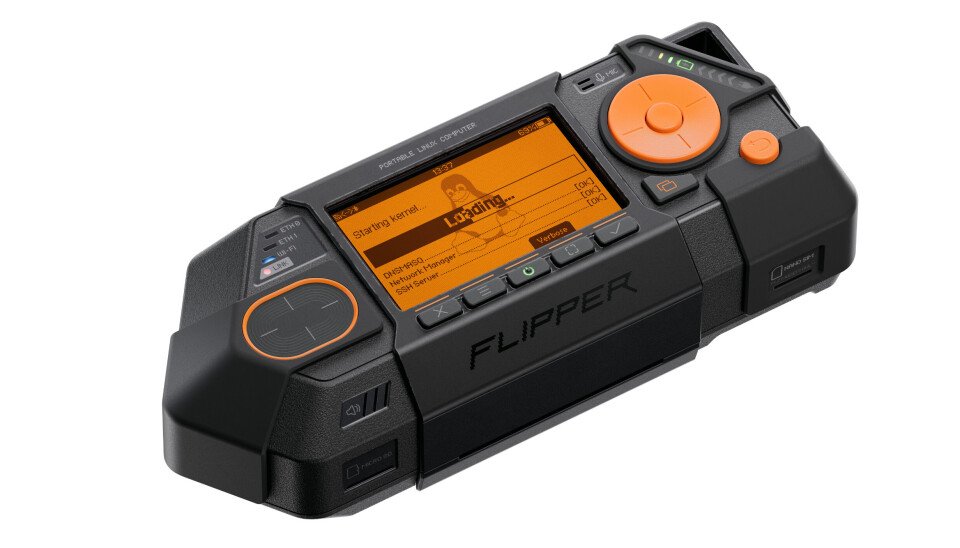 The Flipper One – a Linux‑powered handheld with HDMI, Ethernet and GPIO.
Flipper Devices announced the Flipper One, a handheld computer built around the Rockchip RK3576 SoC and a Raspberry Pi RP2350B co‑processor. The company makes it clear that the One is not a successor to the popular Flipper Zero; instead, it is positioned as a full‑featured Linux workstation that can be carried in a pocket.
What the Flipper One Provides
| Component | Specification |
|---|---|
| CPU | Rockchip RK3576 (quad‑core Cortex‑A35) |
| Co‑processor | Raspberry Pi RP2350B for real‑time I/O |
| Memory | 8 GB LPDDR5 |
| Storage | 64 GB eMMC + MicroSD slot |
| Display | 256 × 144 grayscale screen |
| Connectivity | Wi‑Fi 6, Bluetooth 5.2, dual Gigabit Ethernet, USB‑C (PD & data), USB‑A, HDMI 2.0, 3.5 mm audio |
| Expansion | M.2 B‑Key (NVMe/WWAN), GPIO header |
| Power | 5000 mAh Li‑ion, USB‑C charging |
The device ships with a Linux kernel that the vendor is pushing into mainline via a partnership with Collabora. This means that, unlike many ARM boards that rely on closed bootloaders and vendor‑specific patches, the Flipper One should run a standard upstream kernel and receive regular security updates.
Compliance Requirements and Timeline
| Regulatory Action | What It Requires | Compliance Timeline |
|---|---|---|
| EU RoHS 2024 (effective 1 Jan 2026) | Limit hazardous substances in the PCB and battery. | All units must be certified before the first commercial shipment, targeted for Q4 2026. |
| US FCC Part 15 Sub‑part B (effective 1 Oct 2025) | Ensure that Wi‑Fi, Bluetooth and any RF emissions stay within defined limits. | Test reports to be filed with the FCC by the end of Q3 2026; labeling required on each device. |
| UKCA (UK Conformity Assessed) (post‑Brexit) | Similar to CE, but with UK‑specific documentation. | Documentation to be completed by the start of Q4 2026; product release in the UK must wait for UKCA marking. |
| GDPR‑aligned data‑processing notice (effective 25 May 2025) | Provide transparent information on any telemetry collected by the device’s firmware. | Firmware must include an opt‑in consent screen before any data leaves the device; rollout planned for the first firmware update after launch (Q1 2027). |
| China CCC Certification (effective 1 Jan 2026) | Verify safety and electromagnetic compatibility for the Chinese market. | Certification process initiated in Q2 2026; expected approval by Q4 2026 for a China‑specific SKU. |
Flipper Devices has publicly committed to meeting each of these obligations before the device reaches customers. The company’s open‑source development model means that test results and compliance documentation will be posted in a public repository, allowing the community to verify that the hardware meets the stated standards.
Why Openness Matters for Users
The announcement includes a statement from the vendor: “The current state of ARM Linux is depressing. Every vendor bolts on their own custom mess: closed boot blobs, vendor‑specific patches, board support packages that nobody outside the chip maker can really understand.” By targeting mainline kernel support, the Flipper One avoids the need for proprietary firmware during boot. This has several practical benefits:
- Security updates can be applied directly from the Linux kernel maintainers without waiting for a vendor patch cycle.
- Developer tooling such as
git,gcc, andsystemdworks out of the box, reducing the learning curve for embedded developers. - Long‑term maintenance is feasible because the community can continue to backport fixes even if the original company ceases operations.
Potential Use Cases
Flipper Devices lists several scenarios that leverage the device’s networking and I/O capabilities:
- VPN gateway – Deploy the One as a portable, hardware‑encrypted VPN endpoint for remote work.
- Ethernet sniffer – Use the dual Gigabit ports to monitor traffic on a LAN without additional adapters.
- USB‑to‑Wi‑Fi bridge – Turn the device into a plug‑and‑play network adapter for legacy machines.
- Media box – Connect via HDMI to a TV and run a lightweight desktop environment or Kodi.
- Custom hardware projects – The M.2 slot and GPIO header allow developers to add NFC/RFID modules, cellular modems, or AI accelerators.
Note that the Flipper One does not include an NFC or RFID reader on board. Users who need those capabilities must attach an external module through the M.2 slot or continue to use a Flipper Zero for that purpose.
Pricing and Availability Risks
The target price is US $350 for the base configuration (no cellular module). The company warns that volatile component costs—especially for LPDDR5 memory—could push the final retail price higher. A prototype was delivered to internal testers earlier this year, and a Kickstarter campaign is slated for the end of summer 2026. Backers should be aware that, as with any crowdfunded hardware, there is no guarantee of shipment dates or final specifications.
Next Steps for Interested Parties
- Monitor the Kickstarter page for updates on production milestones and any changes to the bill of materials.
- Review the open‑source repository (link to be provided after launch) for the latest kernel patches and compliance test logs.
- Plan for firmware updates that will introduce optional telemetry consent screens to satisfy GDPR requirements.
- Consider accessory procurement if NFC/RFID functionality is required; evaluate M.2 modules that are already listed as compatible.
The Flipper One represents an ambitious attempt to blend the hobbyist appeal of the Flipper Zero with the flexibility of a full Linux system. Its success will depend on the company’s ability to navigate supply‑chain constraints, meet global compliance obligations, and deliver a product that lives up to its open‑source promise.
Comments
Please log in or register to join the discussion