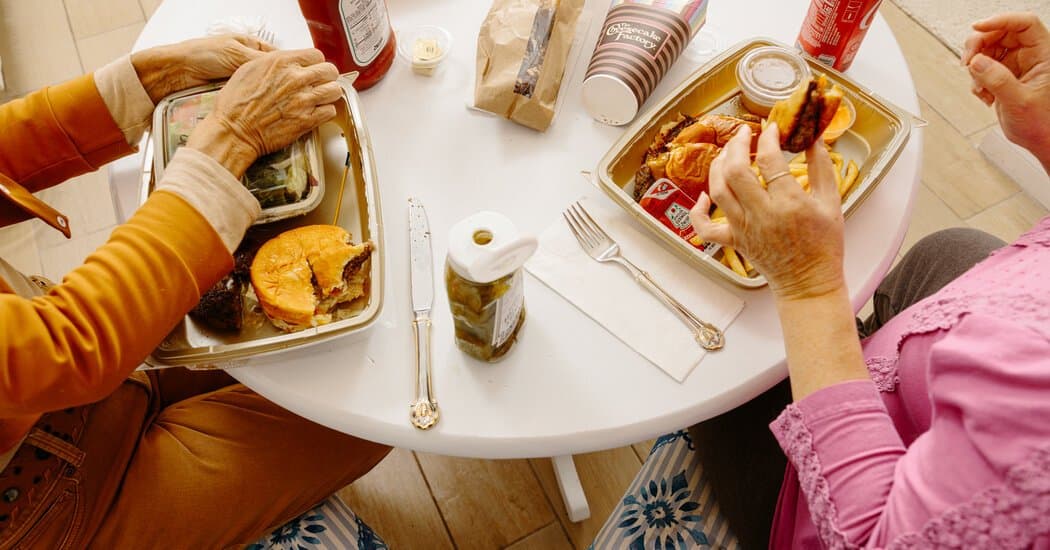
New data shows nearly 75% of US restaurant orders in 2024 were takeout or delivery, not eaten in restaurants, as delivery apps transform how Americans eat.
The way Americans eat is undergoing a fundamental transformation, with new data revealing that nearly three-quarters of restaurant orders in 2024 were not consumed in restaurants themselves. This shift, documented by the National Restaurant Association, represents a dramatic change in American dining habits driven by the convenience and accessibility of food delivery apps.
According to recent statistics, 74.8% of restaurant orders in the United States during 2024 were takeout or delivery orders rather than traditional dine-in experiences. This marks a significant departure from pre-pandemic dining patterns and signals a lasting change in how Americans approach mealtime.
The rise of delivery platforms like DoorDash, Uber Eats, and Grubhub has made restaurant-quality food accessible with just a few taps on a smartphone. For many consumers, particularly younger demographics, the convenience of having meals delivered has become a regular part of their routine rather than an occasional indulgence.
Some users have taken this convenience to an extreme, with reports of individuals spending thousands of dollars annually on food delivery services. The subscription models offered by these platforms, combined with the psychological ease of ordering through an app, have normalized what was once considered an expensive luxury.
This transformation extends beyond mere convenience. The data suggests that food delivery is reshaping not just when and how Americans eat, but also what they eat. Restaurants have adapted their menus and operations to optimize for delivery, sometimes creating entirely separate delivery-focused menus that differ from their in-house offerings.
The shift has significant implications for the restaurant industry. While delivery has opened new revenue streams for many establishments, it has also introduced challenges including high commission fees from delivery platforms, increased packaging costs, and the need to maintain food quality during transport. Some restaurants have responded by developing their own delivery infrastructure or partnering with multiple platforms to reduce dependency on any single service.
Urban planning and real estate are also feeling the effects. The decline in traditional dine-in traffic has led some restaurants to downsize their physical spaces or eliminate dining areas entirely, focusing instead on kitchen space optimized for delivery preparation. This has contributed to the rise of "ghost kitchens" - facilities that exist solely to prepare delivery orders without any customer-facing operations.
The social implications are equally profound. The traditional restaurant experience, which has long served as a venue for social interaction, business meetings, and family gatherings, is being replaced in many instances by solitary meals consumed at home or in transit. While delivery offers convenience, it may also contribute to increased social isolation and changes in how communities interact.
Economic factors play a role as well. For some consumers, particularly those in dual-income households or with demanding work schedules, the time saved by ordering delivery outweighs the additional cost compared to cooking at home or dining in. The pandemic accelerated this trend, with many consumers developing new habits that have persisted even as restrictions have lifted.
Looking ahead, the data suggests this shift is likely to continue. As delivery technology improves, with better packaging solutions and faster delivery times, and as younger generations who have grown up with these services become the dominant consumer demographic, the percentage of restaurant orders consumed outside of restaurants may continue to climb.
The transformation of American mealtimes reflects broader changes in how technology is reshaping daily life. Just as streaming services changed how we consume entertainment and e-commerce altered shopping habits, food delivery apps are fundamentally altering one of humanity's most basic activities - eating. The convenience they offer comes with trade-offs, but for millions of Americans, the benefits have made delivery an integral part of modern life.
As restaurants continue to adapt to this new reality, the traditional image of the American restaurant - with its bustling dining rooms and communal atmosphere - may become increasingly nostalgic, replaced by a model where the majority of restaurant meals are consumed not in the restaurant at all, but in homes, offices, and on the go.
Comments
Please log in or register to join the discussion