Ford and Xiaomi have both denied reports of preliminary discussions about a potential electric vehicle manufacturing partnership in the United States, with Ford calling the claims 'completely false' and Xiaomi stating it is not negotiating to sell products or services in the U.S. market.
Ford and Xiaomi have both pushed back against a Financial Times report suggesting the two companies were in early talks about forming a joint venture to manufacture electric vehicles in the United States. The denial comes after the publication claimed Ford had explored partnering with Xiaomi to build EVs domestically while also speaking with BYD about possible cooperation.
Ford was quick to dismiss the report entirely, stating that the claims were "completely false." Xiaomi took a slightly different approach, clarifying that it is not currently negotiating to sell products or services in the U.S. market. The Chinese tech giant's response appears to sidestep the specific question of whether partnership discussions had occurred, focusing instead on its current market strategy.
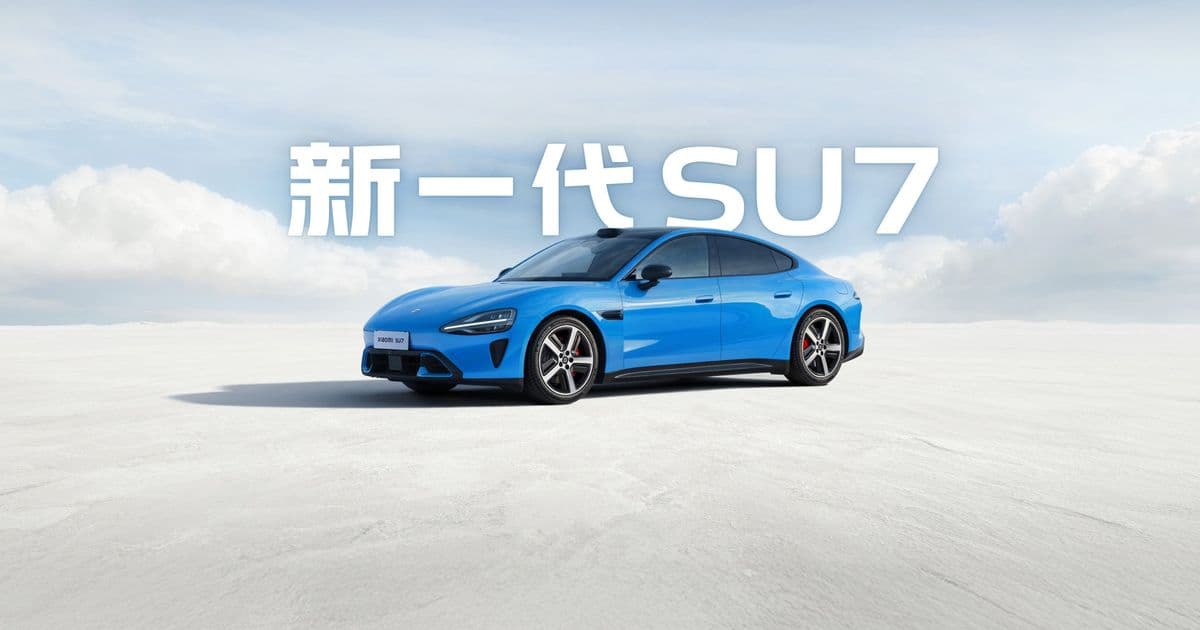
According to the Financial Times, the information came from four people familiar with the matter. The report also noted that Ford CEO Jim Farley has publicly praised Xiaomi's SU7 electric sedan and even imported one for personal use, suggesting there may have been some level of interest or admiration between the companies. However, public praise and personal vehicle choices don't necessarily indicate formal business discussions.
The timing of these denials is particularly interesting given the current state of the global EV market. Ford has been working to accelerate its electric vehicle strategy in the United States, while Xiaomi has been expanding its automotive ambitions after launching its first electric vehicle, the SU7 sedan, in China. A partnership between an established American automaker and a rising Chinese tech company could have significant implications for the competitive landscape.
For Ford, such a partnership could have provided access to Xiaomi's software expertise and potentially lower-cost manufacturing capabilities. For Xiaomi, it could have offered a pathway into the lucrative U.S. market, which remains one of the world's largest and most profitable automotive markets. However, both companies appear to be pursuing their EV strategies independently for now.
The denial also comes amid broader geopolitical tensions and trade considerations. Any partnership involving Chinese companies manufacturing vehicles in the United States would likely face intense scrutiny from regulators and policymakers concerned about technology transfer and national security implications.
While the specific claims about joint venture talks appear to have been unfounded, the fact that such speculation gained enough traction to warrant official denials suggests there's significant industry interest in potential collaborations between traditional automakers and tech companies in the EV space. Whether Ford and Xiaomi might explore other forms of cooperation in the future remains to be seen, but for now, both companies are maintaining that no such partnership discussions are underway.
Comments
Please log in or register to join the discussion