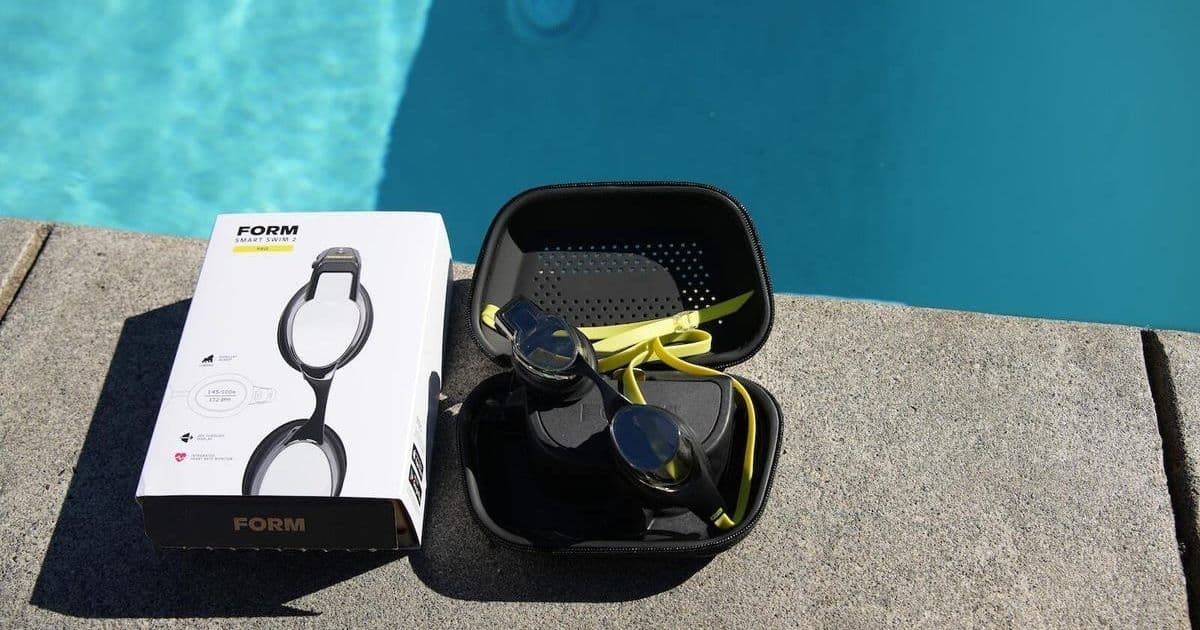
Form's Smart Swim 2 Pro AR goggles integrate Gorilla Glass durability with AI-powered coaching to deliver real-time performance metrics underwater, boosting swim efficiency by an average of five seconds per 100 meters. Despite minor drawbacks like peripheral vision limits, this wearable tech exemplifies how augmented reality is revolutionizing athletic training beyond traditional boundaries.
The Dive into Augmented Reality: Form's Smart Swim 2 Pro Underwater
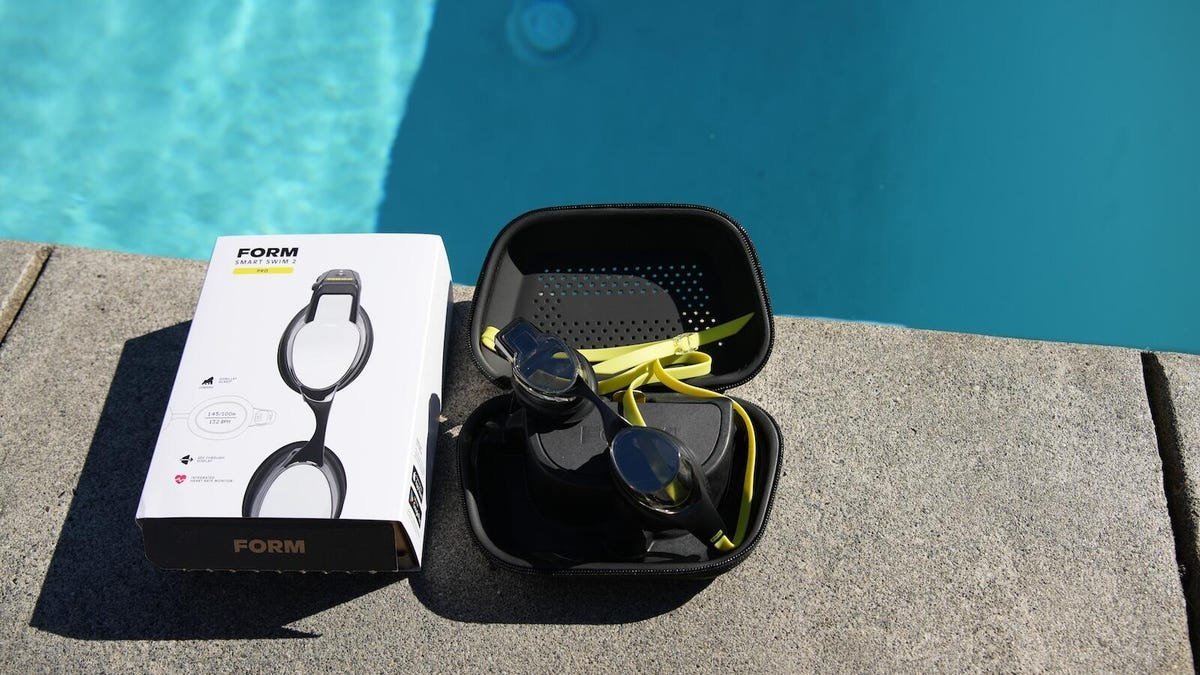
As augmented reality (AR) expands beyond gaming and productivity, its invasion into athletic training marks a pivotal shift in wearable technology. Form's Smart Swim 2 Pro goggles—equipped with Gorilla Glass 3 lenses and an AI-driven coaching system—demonstrate this evolution by projecting real-time metrics like pace, stroke rate, and heart rate directly into a swimmer's field of vision. This isn't just a gadget; it's a paradigm shift in how athletes interact with data, turning every lap into an optimized, personalized session.
Engineering Resilience Meets Aquatic Innovation
The hardware upgrades in the Smart Swim 2 Pro address critical pain points for aquatic wearables. By swapping plastic for Gorilla Glass 3, Form ensures scratch resistance that withstands years of chlorine exposure and physical stress, a first for swim goggles. However, this durability comes with a trade-off: users must apply an anti-fog spray (a simple 75% water and 25% baby shampoo mix) before each swim, replacing the previous generation's permanent coating. The goggles offer modular customization with five interchangeable nose bridges and reversible lenses, catering to diverse facial structures while blocking 98% of UV rays. Battery life remains robust at 14 hours, supporting extended training cycles without interruption.
AI Coaching and Data Integration: The Software Edge
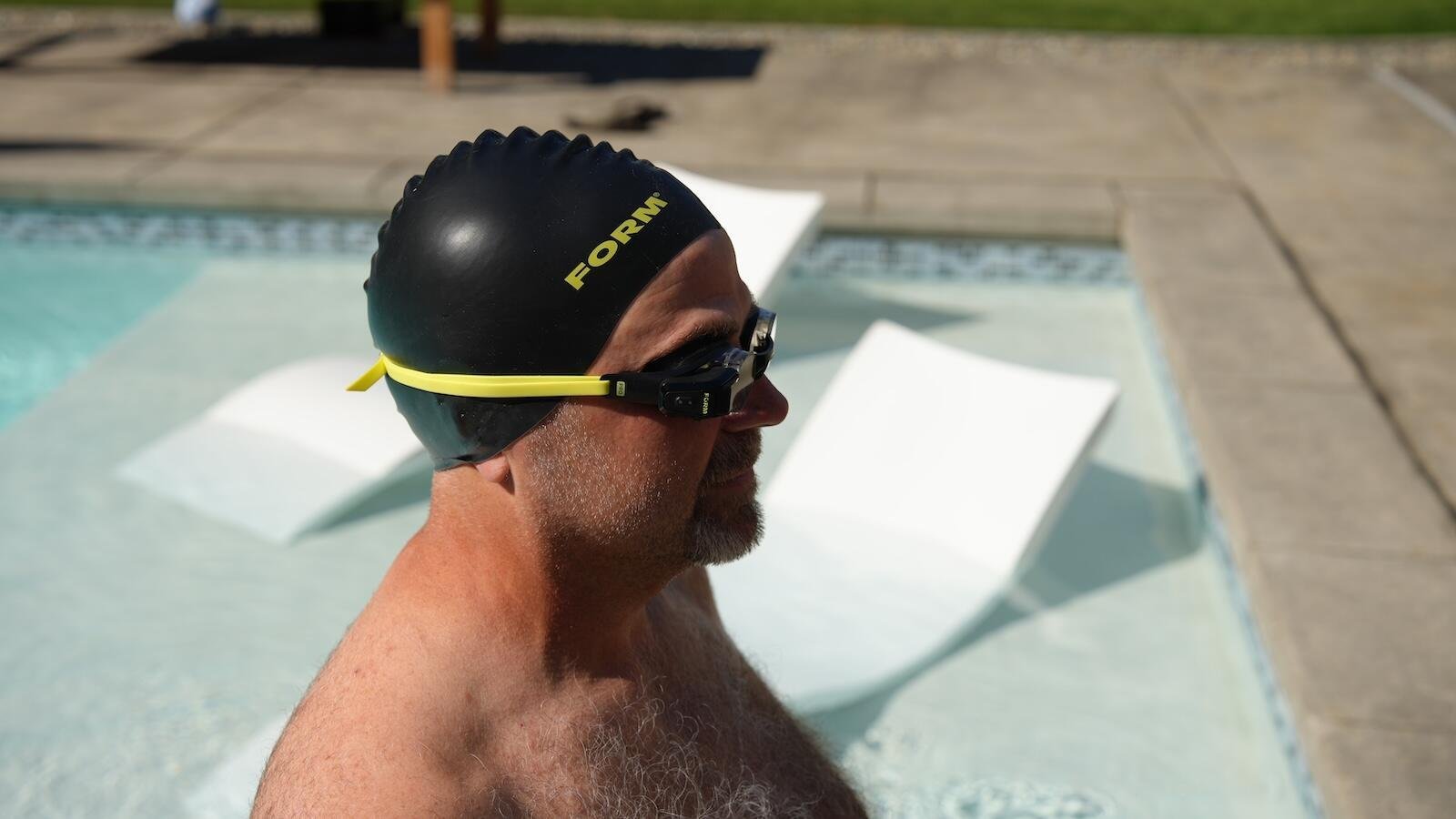
Where the Smart Swim 2 Pro truly excels is in its software ecosystem. The core app (iOS/Android compatible) syncs seamlessly with devices like GPS sports watches for open-water tracking, while optical heart rate monitoring eliminates the need for chest straps. But the premium subscription—$119/year—unlocks transformative features:
- HeadCoach Plans: AI-generated training regimens that adapt to your metrics, creating bespoke workouts.
- Smart Set: Automatically designs future sessions based on past performance analysis.
- Real-time directional guidance: A digital compass for open-water navigation.
Data shows subscribers shave five seconds off per 100 meters within months, proving the tangible impact of AR-enabled feedback. As one tester noted, "Having metrics in your line of sight without distractions is revolutionary for marginal gains."
Implications for the Tech Ecosystem
This product underscores broader trends in wearable tech: the convergence of AR, AI, and biometrics to create closed-loop training systems. For developers, Form's API integrations with platforms like Strava and TrainingPeaks highlight opportunities for cross-device ecosystems in fitness tech. Yet, challenges persist—the $329 price point and reduced peripheral vision due to the AR display may deter casual users. These goggles aren't just accessories; they signal AR's maturation into specialized, performance-driven applications beyond consumer entertainment.
Form's innovation illustrates how immersive tech can democratize elite coaching, but its success hinges on balancing hardware ergonomics with subscription-based software value. As AR glasses evolve, expect similar hybrids to emerge in running, cycling, and rehabilitation, pushing the boundaries of how we quantify human potential.
Source: Adapted from Matthew Miller's review on ZDNET.
Comments
Please log in or register to join the discussion