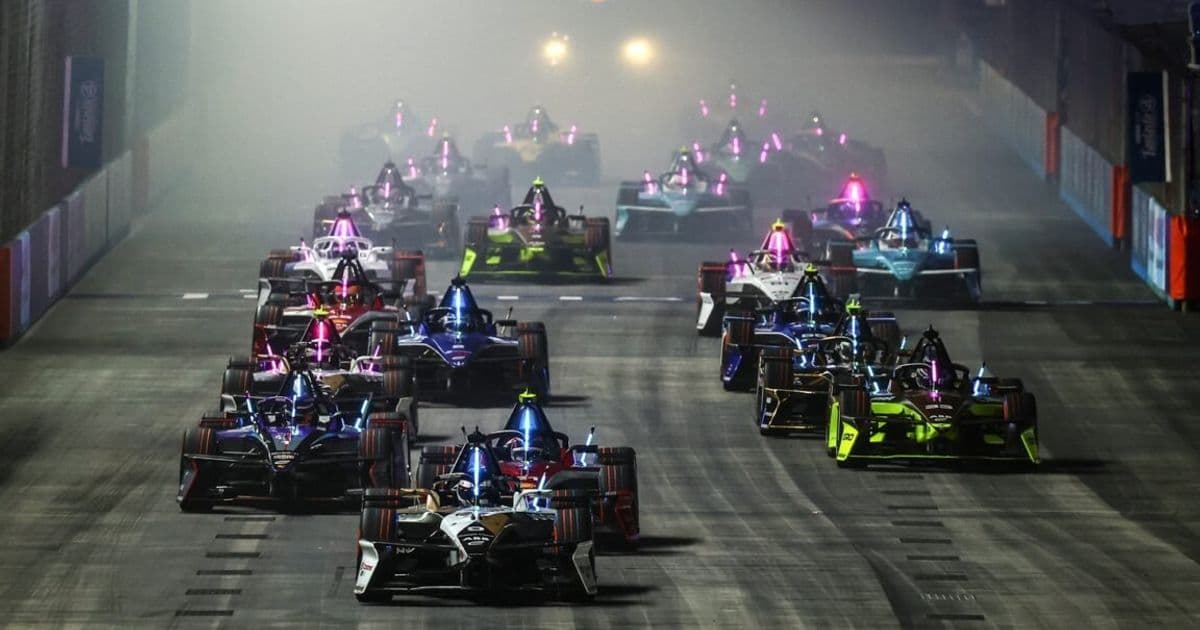
Formula E concludes its 11th season in London, setting the stage for a radical Gen 4 evolution in 2026. With 804 HP, permanent AWD, and significant size increases, the series faces critical engineering challenges balancing performance, cost caps, and broadcast appeal while proving electric racing's technical legitimacy.
LONDON—The curtain fell on Formula E’s 11th season this past weekend at London’s ExCeL exhibition center, a venue uniquely suited to electric racing’s silent operation. But the real story lies in the series' imminent technological leap. After years of incremental gains, Formula E is poised for its most radical transformation yet with the Gen 4 car arriving in 2026—a machine promising supercar performance and complex engineering trade-offs.
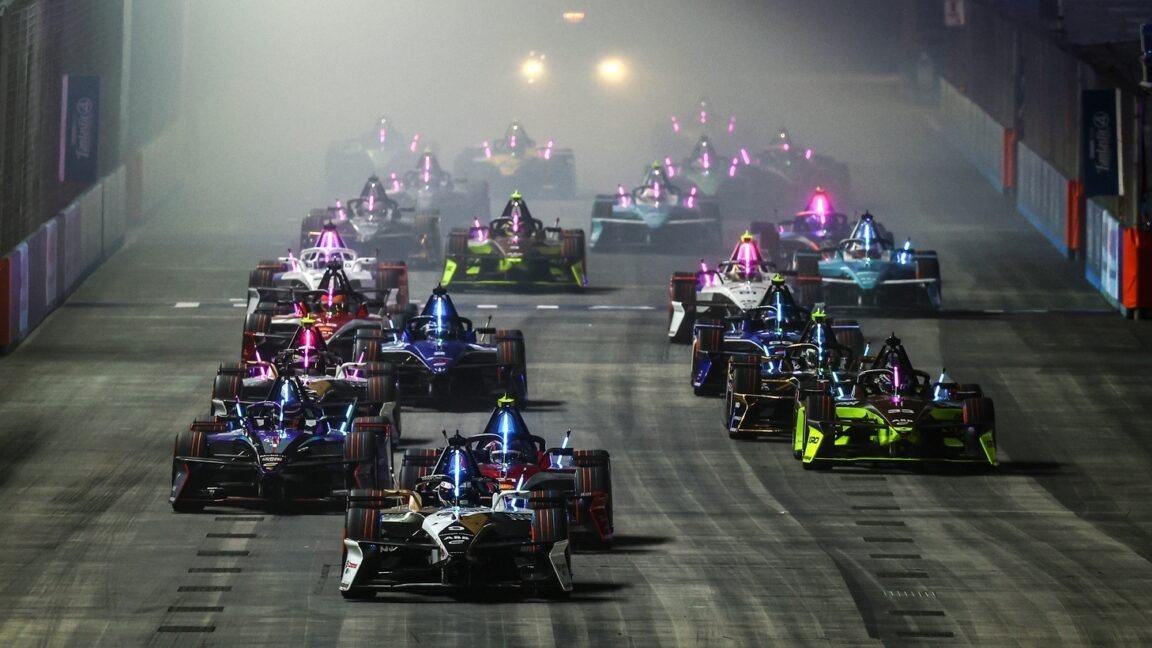
From Car Swaps to Cornering G-Forces Remember Formula E’s awkward adolescence? Early seasons required mid-race car swaps due to limited battery capacity. That era is long gone. The current Gen 3 Evo cars already boast 0-60 mph times under 2 seconds (faster than F1) and top speeds exceeding 170 mph. Yet, Gen 4 represents a quantum leap:
- Power Surge: 804 HP (600 kW) – nearly double the current output.
- Drivetrain Revolution: Permanent all-wheel drive replaces the current part-time system.
- Size & Weight: Cars grow significantly (+20.4" length, +3.6" width, +14.7" wheelbase) with a curb weight of 1,016 kg.
- Tires & Aero: Hankook tires make way for softer, wider Bridgestones. Crucially, teams will have standardized high- and low-downforce bodywork configurations.
"Our focus was car performance—no compromise," stated Vincent Gaillardot, FIA Technical Director for Formula E. "Thanks to cell technology improvements, we could push boundaries Gen 3 couldn’t touch. This car doesn’t need to apologize for not having an ICE."
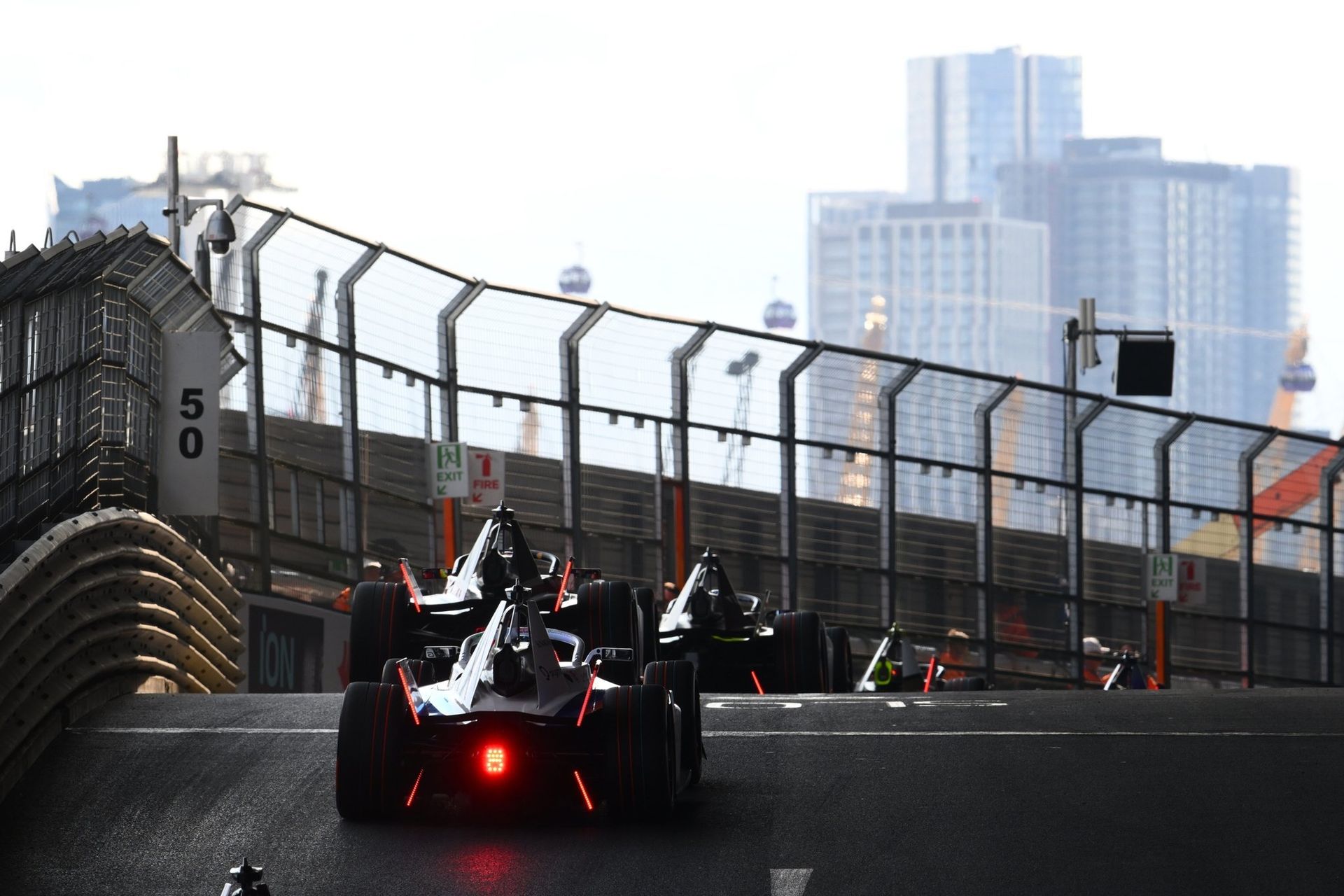
The Engineering Tightrope: Speed vs. Spectacle Increased downforce is non-negotiable for managing Gen 4's colossal power and cornering speeds. However, it risks altering the close, slipstream-dependent racing that defines Formula E. Florian Modlinger, Director of Porsche’s championship-winning Formula E program, acknowledges the uncertainty: "It will be the biggest performance step across all generations. How this affects the racing? We’re still simulating."
Cost caps ($13M per team) remain the series' bedrock, preventing an aerodynamics arms race. Bodywork is standardized, forcing innovation into powertrain efficiency—already an astonishing 97.5% from battery to rear wheels. "Under the cap, you juggle the current championship, Gen 3 Evo testing, and Gen 4 concepts," Modlinger explained. Porsche’s dual titles prove this balancing act is possible.
What’s Next for Tech Development? Gen 4’s success could unlock new technical freedoms. Batteries remain a spec component for cost control, but manufacturers crave more R&D avenues. "If Gen 4 delivers a better return on investment, we can discuss opening development areas," Gaillardot hinted. Modlinger points to thermal management as a key frontier: "Battery cooling, thermal management... areas relevant for road cars where you could make a difference."
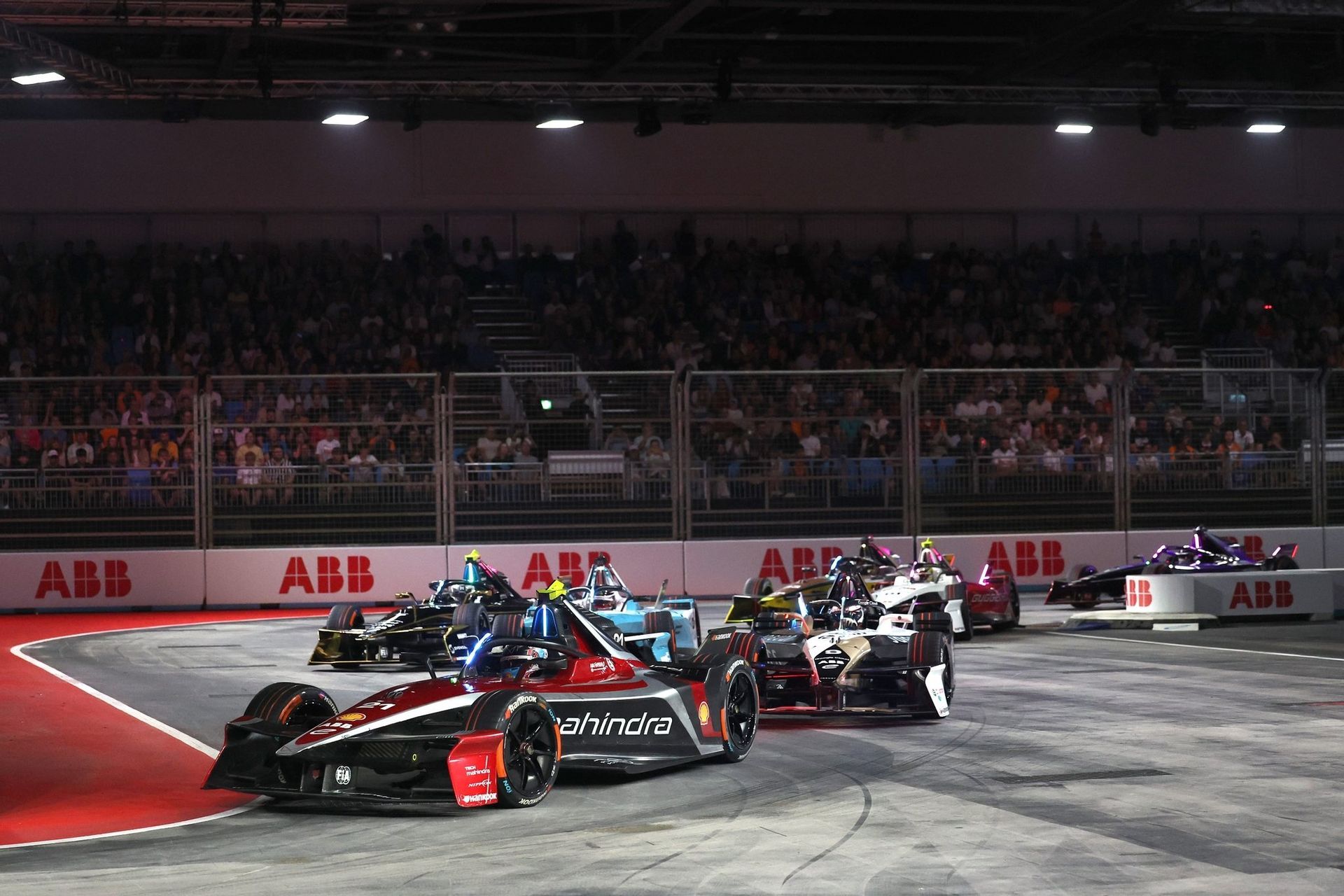
The London ExCeL circuit, beloved by drivers for its tight, technical challenge, will host its final ePrix next year. As cars grow larger and faster, finding suitable street circuits becomes harder. A move to Silverstone is rumored for 2027, signaling a potential shift toward more traditional tracks. Formula E’s identity—forged on unconventional city circuits—faces evolution alongside its machines.
The series’ core mission persists: proving electric performance and accelerating road-relevant tech. With Gen 4’s raw power and engineering complexity, Formula E isn’t just racing for podiums; it’s racing to redefine electric mobility’s limits under the intense scrutiny of cost caps and carbon neutrality. The starting grid for that future is being built now.
Comments
Please log in or register to join the discussion