
Framework, the modular laptop pioneer celebrated for its right-to-repair advocacy, faces severe community backlash over its aggressive promotion of Omarchy Linux—a project tied to controversial figure DHH. The crisis has triggered a volunteer moderator exodus and forced a reckoning about the ethics of platforming figures with extremist views in open-source ecosystems.

Framework’s Discord server sits locked. Its volunteer moderation team has stepped back indefinitely. A forum thread titled "Framework supporting far-right racists?" has exploded with over 900 replies. This isn’t hardware failure; it’s a profound community rupture triggered by the company’s persistent promotion of Omarchy Linux – a project inextricably linked to David Heinemeier Hansson (DHH), a figure notorious for espousing white nationalist, transphobic, and eugenicist views under a veneer of contrarian tech thought.
The Spark: Omarchy and the DHH Problem
For months, Framework’s social media channels prominently featured Omarchy—a set of "ricing scripts" for Arch Linux—far more than any other distribution. Crucially, Omarchy is branded "by DHH." While initially perceived as just another distro, awareness grew within Framework's community about DHH’s toxic history: his role in fracturing the Ruby community, pseudoscientific rants dismissing ADHD as illegitimate, and amplification of far-right narratives.
"DHH’s writing... appears to be written for a gullible audience. It boils down to ‘ADHD gives me the ick... stop taking drugs lmao’," observes a long-time Framework community member and third-party hardware developer, citing DHH's dismissal of established medical science.
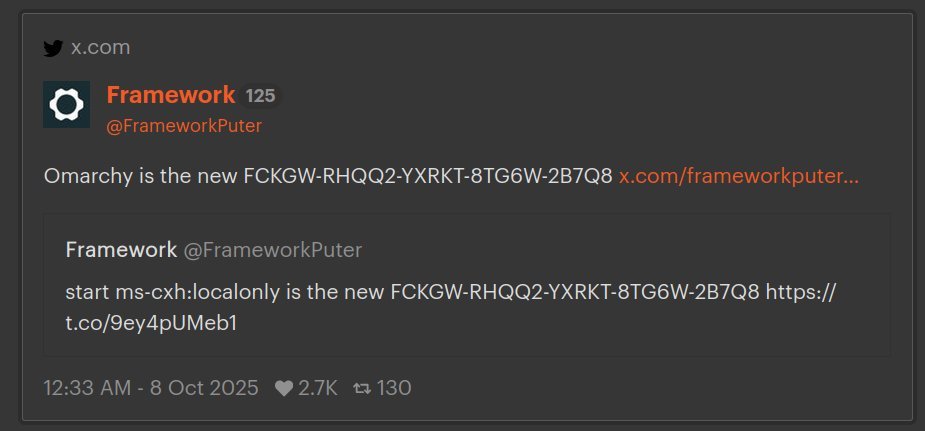
Framework’s social team appeared oblivious or indifferent to the escalating criticism under their Omarchy posts. This perceived endorsement of DHH, a figure actively damaging open-source communities, clashed violently with Framework’s image as a socially conscious, mission-driven company advocating for repairability and sustainability.
Community Fallout and the "Nazi Bar" Dilemma
The backlash wasn't just about one individual. It tapped into a deep-seated fear in open-source communities: the "Nazi bar" problem. Experienced moderators know that allowing far-right figures or ideologies a foothold inevitably corrodes a community. Toxic actors employ underhanded tactics, driving away core contributors—especially marginalized groups—and fracturing projects. History repeats from Usenet to modern Discord servers.
"A notable far-right presence inevitably results in the community becoming repulsive to a large part of its core audience," the source explains. Framework CEO Nirav Patel’s response, advocating for a "big tent" approach, fell flat. To many, it sounded like naiveté in the face of well-documented online radicalization playbooks. 
This context explains the volunteer moderator exodus. Moderating a community suddenly overlapping with the audience of a far-right-led project like Omarchy transforms the job. It shifts from handling typical user disputes to battling coordinated harassment and crypto-fascist infiltration—a daunting, often unsustainable burden.
The Hyprland Complication and Nuanced Realities
The controversy also entangled Hyprland, a Wayland compositor recently sponsored by Framework. Hyprland’s main developer, Vaxry, faced past criticism for transphobic content and poor community moderation. However, evidence suggests significant improvements:
"Hyprland’s community is on a positive trend... they’ve made positive changes that’re uncommon to see. I’m willing to at least offer them the benefit of the doubt," reported a community member from an affected group who investigated recent developments.
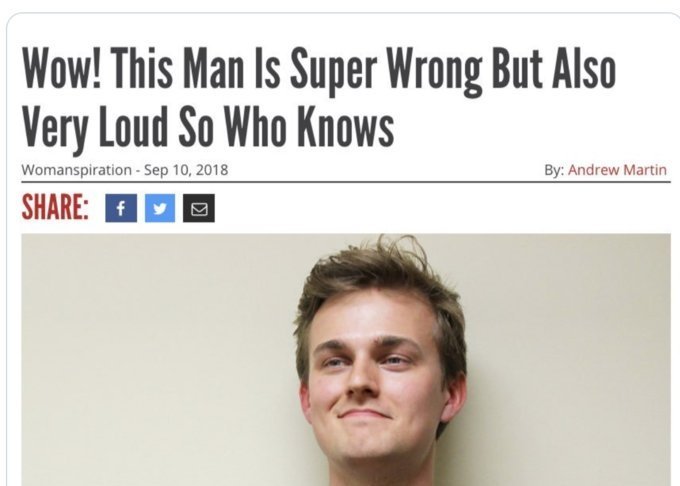
While some criticism of the Hyprland sponsorship persists due to its history, the overwhelming community fury remains laser-focused on the Omarchy/DHH association, seen as far more deliberate and egregious.
Why This Threatens Framework's Core Mission
Framework’s success hinges not just on hardware, but on its ethos. Its laptops often represent a premium purchase justified by supporting the right-to-repair movement and sustainable tech—a form of socially conscious consumption. This mission resonates strongly with individuals who apply similar principles to other areas, including ethical tech citizenship.
"I’ve argued in favour of buying Framework... Framework’s repairability mission calls for socially conscious consumption," states the source. But now? "If someone replies with ‘well yeah but they do support far-right people’, I am put on the spot with no good argument... It makes me look like an asshole for even suggesting it."
The damage is multifaceted:
- Eroded Trust: Advocates struggle to defend Framework on ethical grounds.
- Volunteer Drain: Critical community contributors, like the moderation team, disengage.
- Brand Harm: The socially conscious "halo" is tarnished, overshadowing genuine open-source contributions.
- Polarization Risk: Alienates a significant portion of its core, ethically-driven audience without gaining equivalent support elsewhere.
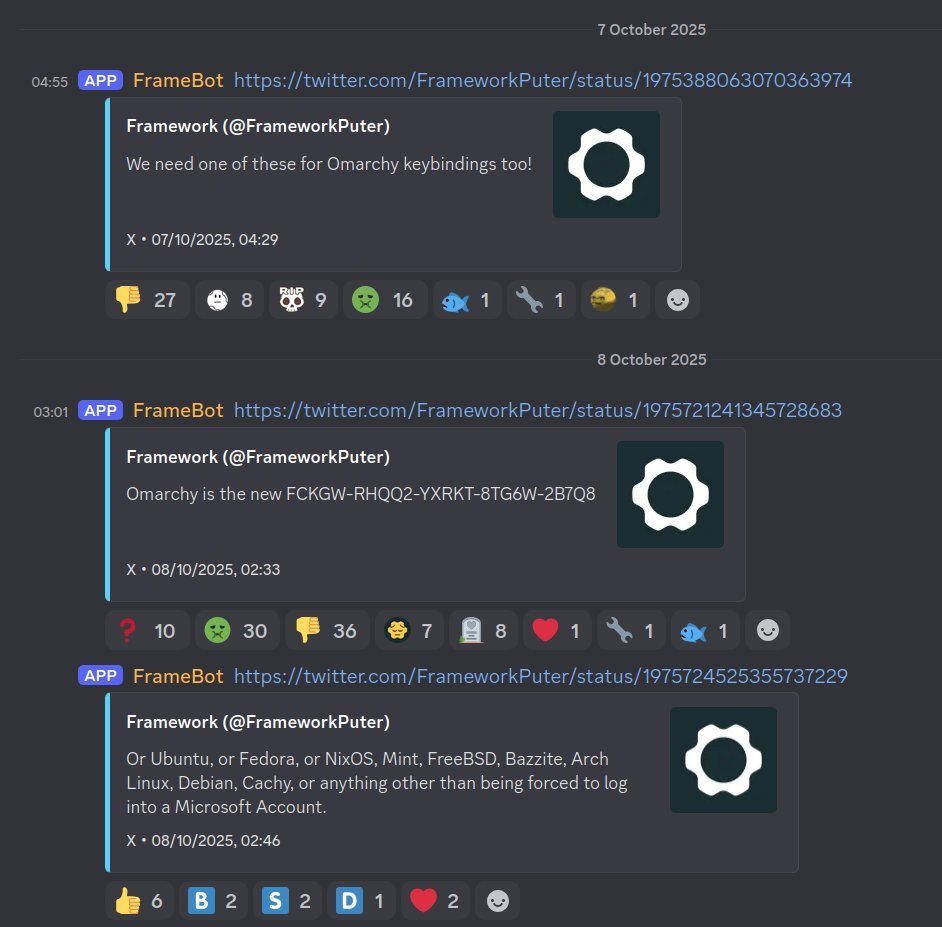
The Cost of Platforming Toxicity
Framework’s aggressive promotion of Omarchy wasn't neutral tech coverage; it was amplification. In an era of heightened polarization, platforming figures like DHH—known for spreading harmful disinformation and fracturing communities—carries tangible consequences. The locked Discord, the overflowing forum, and the silenced advocates signal a company facing the real-world cost of ignoring the ethical dimensions of its partnerships. The path forward requires more than a "big tent" slogan; it demands a critical reassessment of whose work deserves the spotlight in a community built on principles of openness and respect. For Framework, the repair job needed isn't just on the laptops—it's on the trust they've fractured.
Source: Analysis based on community reporting and firsthand account by a Framework developer/advocate originally published at crimier.github.io
Comments
Please log in or register to join the discussion