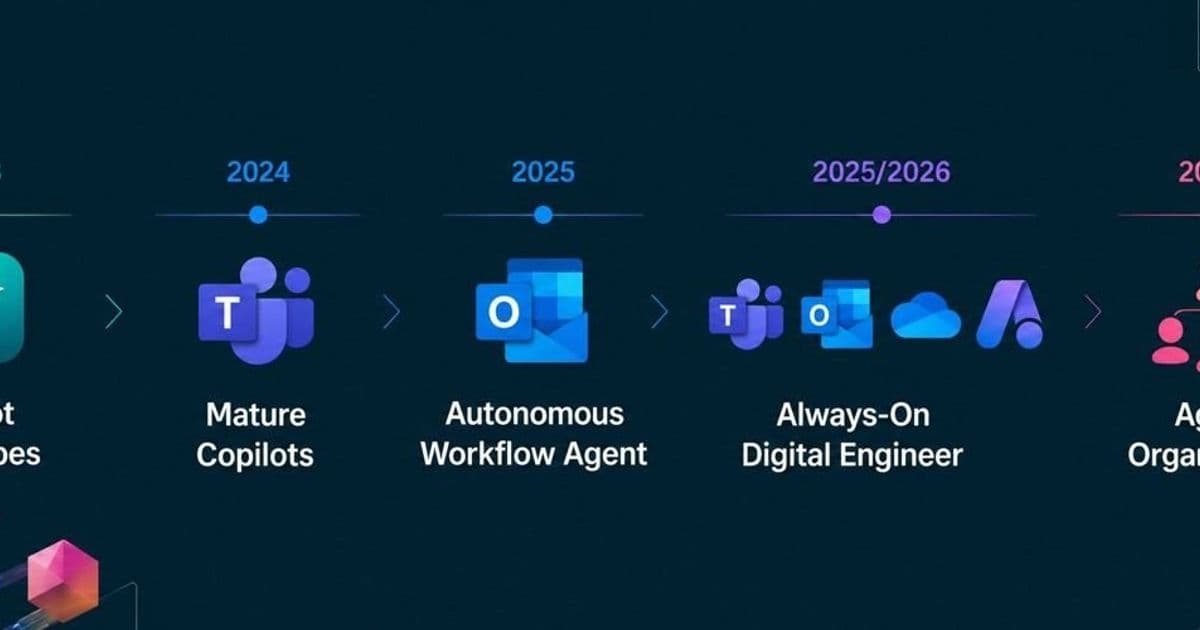
Microsoft has elevated AI agents from simple chat‑based helpers to autonomous digital coworkers that coordinate fiber repairs, RMA processes, and datacenter deployments. By treating coordination as a first‑class engineering problem, Azure Networking cuts mitigation time in half and slashes manual effort by up to 78 %, while preserving human accountability through a policy‑driven control plane.
From Copilots to Coworkers: How AI Agents Are Transforming Azure Networking Operations
Azure Networking runs one of the planet’s largest physical backbones – millions of kilometers of fiber, over a million optical devices, and dozens of global regions. The sheer scale makes the messy middle of operations – the hand‑off, status‑update, and validation steps that follow an incident – the real bottleneck. Microsoft’s Customer Zero blog series shows how the team re‑engineered this coordination layer with AI agents that act as digital coworkers.
What changed?
- Pre‑AI model: Engineers manually tracked tickets, emailed vendors, and waited for field technicians to confirm fixes. The coordination load grew faster than headcount, leading to stalled incidents and prolonged outages.
- AI‑first model: The organization introduced conversational copilots for ad‑hoc queries, then graduated to autonomous workflow agents that own a defined goal (e.g., “repair fiber break in Southeast Asia”) and persist context across hours or days.
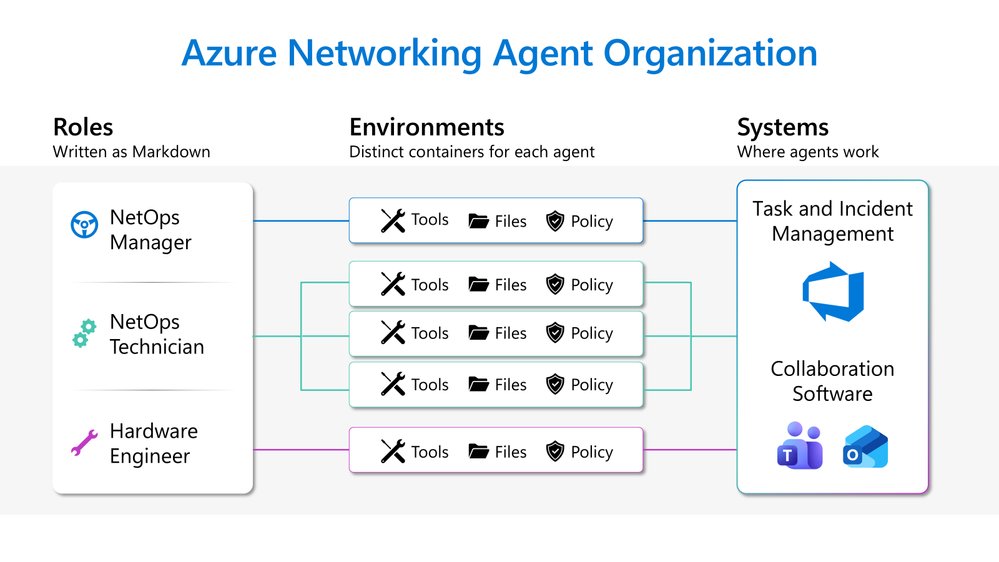
- Control plane: Agents are registered in an internal identity system, assigned roles, permissions, and policy profiles. Human approval is required for any high‑risk or irreversible action, ensuring accountability.
Provider comparison – Azure AI agents vs. traditional automation
| Aspect | Traditional scripting / RPA | Azure AI‑driven agents |
|---|---|---|
| Scope of action | Executes predefined steps; cannot deviate without code change. | Executes end‑to‑end workflows, can request information, retry, and adapt based on live telemetry. |
| Context retention | Stateless; each run starts from scratch. | Persists incident context, language preferences, and vendor contacts for the life of the task. |
| Interaction channel | Separate ticketing system; requires manual hand‑off to humans. | Operates inside Teams, email, and telemetry dashboards alongside engineers. |
| Governance | Limited role‑based access; often all‑or‑nothing. | Granular identity, role, and policy definitions; audit logs for every decision. |
| Human involvement | Engineers must micromanage each step. | Engineers set goals and approve high‑risk actions; agents handle routine coordination. |
| Scalability | Linear – more scripts = more maintenance. | Elastic – agents spin up on demand, matching incident volume. |
| Cost impact | High operational toil; indirect cost in engineer time. | Reported 78 % reduction in manual effort; faster mitigation reduces SLA penalties. |
Business impact
Faster mitigation
The autonomous agent handling a Southeast Asian fiber break completed 14 coordinated interactions in 9.5 hours, achieving a 2× reduction in mean time to mitigate compared with the legacy process.
Lower toil
By offloading status polling, multilingual vendor outreach, and validation checks, the team measured a 78 % drop in manual effort for similar incidents. Engineers can now focus on high‑impact design and risk assessment rather than repetitive follow‑ups.
Consistent governance
Agents operate under a policy‑driven inventory that records identity, role, and permission for each instance. Any action that could affect production services requires explicit human sign‑off, preserving compliance and auditability.
Continuous learning
Every incident feeds back into a knowledge base that powers future agents. Patterns such as recurring splice failures or vendor response latency are surfaced automatically, informing both operational playbooks and long‑term network design.
Transferable practices for other organizations
- Start small with conversational copilots. Enable natural‑language queries against telemetry to prove value and collect interaction data.
- Evolve to goal‑oriented agents. Define clear success criteria (e.g., “repair confirmed by telemetry”) and let agents own the end‑to‑end flow.
- Embed agents in existing collaboration tools. Teams, email, and ticketing systems provide the shared context needed for seamless hand‑off.
- Implement a policy‑driven control plane early. Identity, role, and permission models prevent scope creep and keep human accountability front‑and‑center.
- Measure impact with operational KPIs. Track mitigation time, manual effort saved, and incident‑completion ratio to demonstrate ROI.
Looking ahead
Microsoft is iterating on responsible scaling: tighter governance, cost‑aware agent scheduling, and deeper integration with Azure Work IQ and Fabric IQ for richer organizational context. The ultimate goal is a self‑healing network where agents not only coordinate repairs but also anticipate failures and suggest design improvements before they surface.
“The broader takeaway is not about a specific platform or product. It is about what becomes possible when AI agents operate with humans inside real production systems.” – Azure Networking engineering lead
For a deeper dive into the technical architecture, see the Customer Zero blog series and the open‑source Azure Agent Framework.
Published May 14 2026 – Version 1.0
Comments
Please log in or register to join the discussion