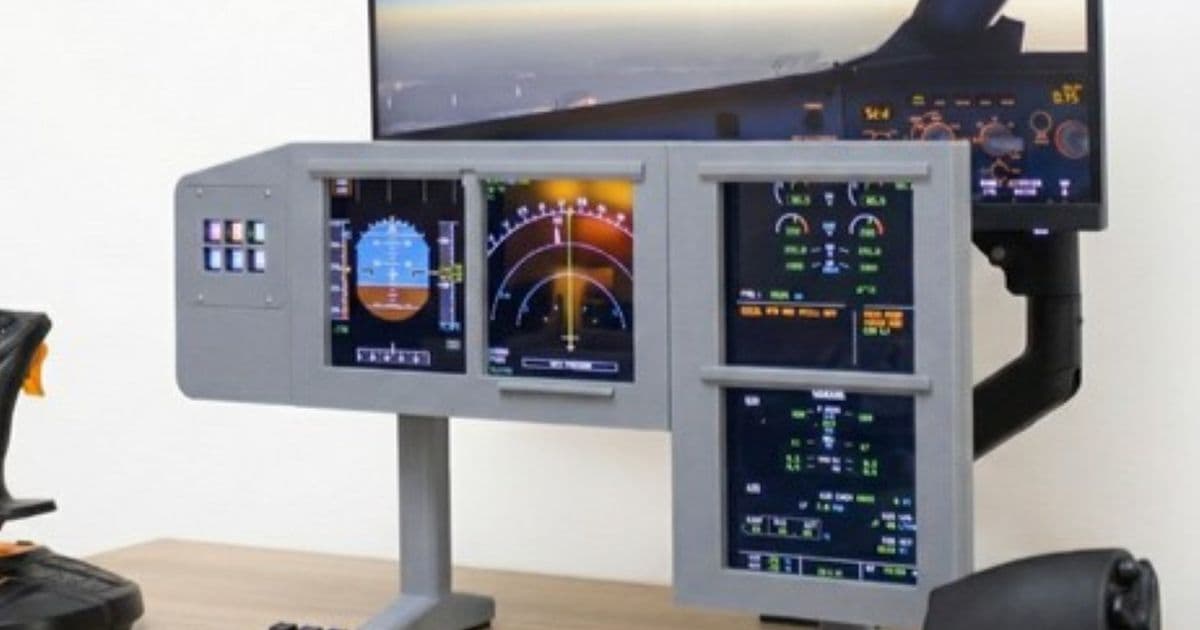
French developer launches Kickstarter for customizable flight simulator cockpit panels with dual HD displays, but questions remain about DIY origins and missing physical controls.
The world of flight simulation continues to evolve, with enthusiasts constantly seeking more immersive ways to replicate the cockpit experience. A new Kickstarter project from French developer FS10 Series aims to bridge the gap between virtual flying and physical controls with their C-Panel, a dual-display cockpit instrument system that promises customization and compatibility with major flight simulators.
What's New in the FS10 Series
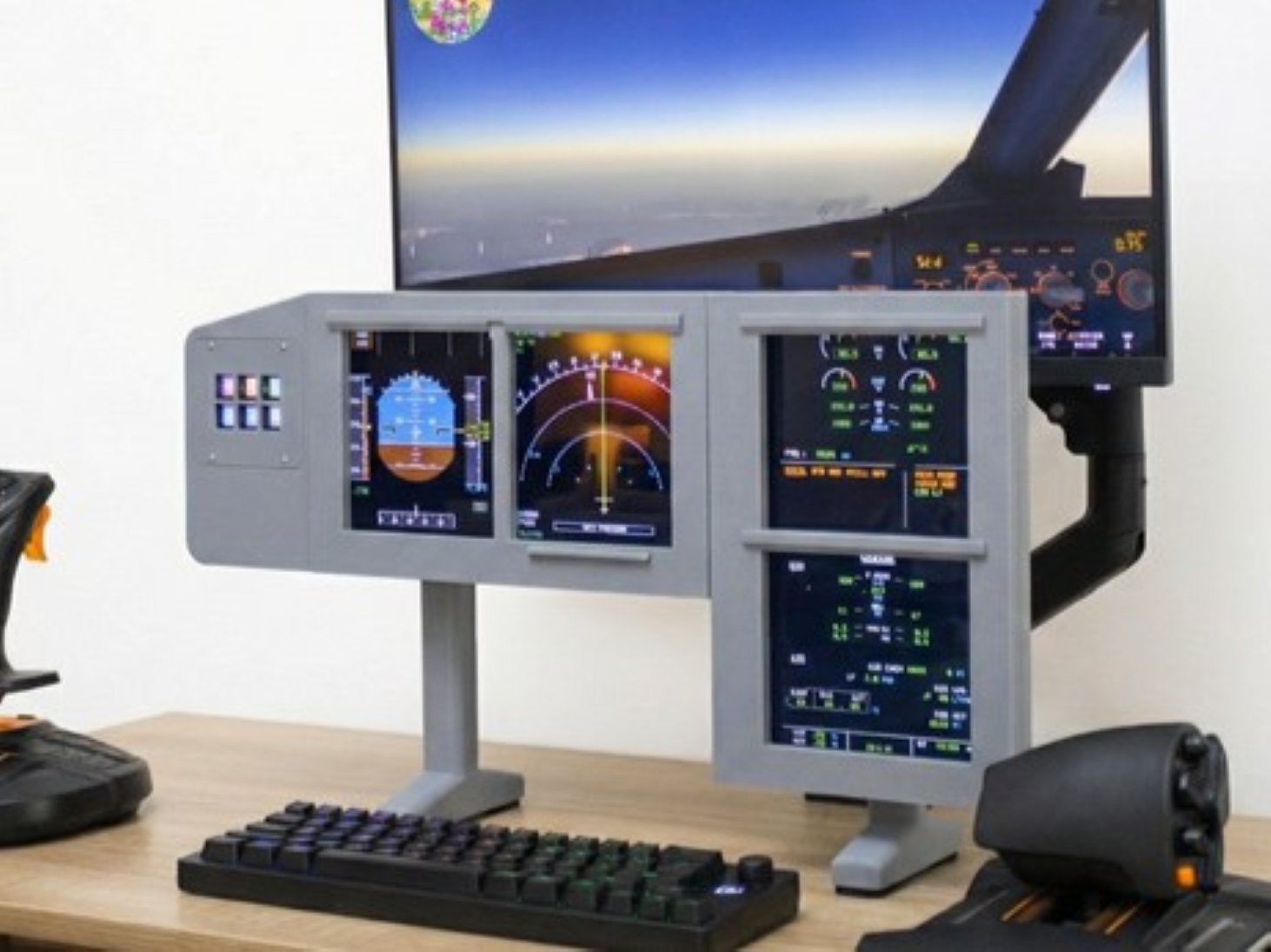
The C-Panel represents an interesting approach to flight simulator hardware. Unlike traditional cockpit panels that rely on physical gauges and mechanical switches, this system uses two integrated 11.6-inch HD displays (1920 x 1080 resolution) to show flight instruments like Primary Flight Displays (PFD) and Multi-Function Displays (MFD). The displays can be configured to mimic various aircraft layouts from both Airbus and Boeing models.
The standout feature appears to be the magnetic front panels, which allow users to swap between different aircraft configurations. This addresses a common pain point for flight sim enthusiasts who fly multiple aircraft types and don't want to invest in separate hardware for each one. The system also includes a mount for the Elgato Stream Deck Mini, adding programmable button functionality.
How It Compares to Existing Solutions
Traditional flight simulator hardware from companies like Saitek (now Logitech) typically features rigid housings with dedicated physical controls. While these offer tactile feedback, they lack the flexibility to adapt to different aircraft types without purchasing multiple units. The FS10 Series takes a software-centric approach, using display technology to provide versatility.
However, this design choice comes with trade-offs. The C-Panel essentially functions as monitors in a custom frame, meaning it lacks physical rotary knobs, switches, and other tactile controls that many serious simmers consider essential. This puts it in a different category than premium offerings from companies like Honeycomb Aeronautical or the aforementioned Saitek/Logitech products.
The DIY Question Mark
One aspect that raises eyebrows is the project's origin. The creator comes from the 3D printing community, and the current prototypes show signs of this DIY heritage. While 3D printing has democratized hardware development, the transition from prototype to mass production through injection molding is notoriously challenging. Many Kickstarter projects have stumbled at this stage, facing delays and quality control issues.
The second prototype shown in the campaign images demonstrates progress, but the gap between a 3D-printed proof of concept and a production-ready device remains significant. 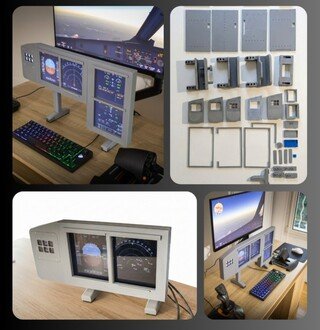
Compatibility and Integration
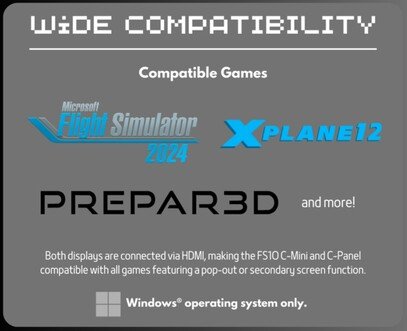
According to the campaign, the displays are designed to work with various flight simulators, though specific compatibility details are limited. The integration with the Stream Deck Mini is a smart addition, as it provides at least some physical button interface without requiring additional desk space.
Pricing and Timeline Considerations
Early backers can reserve a C-Panel for approximately $330, plus shipping and potential import fees. The June 2026 shipping estimate provides a reasonable timeline for product development and manufacturing setup. However, as with all crowdfunding campaigns, this timeline should be viewed with healthy skepticism.
Who This Is For
The FS10 Series C-Panel seems best suited for:
- Flight sim enthusiasts who prioritize visual customization over physical controls
- Users who fly multiple aircraft types and want a flexible solution
- Streamers who could benefit from the integrated Stream Deck functionality
- Budget-conscious simmers who want a cockpit feel without premium pricing
It's less suitable for:
- Hardcore simmers who demand authentic tactile feedback
- Users who prefer traditional mechanical gauges
- Those who want an all-in-one solution with built-in controls
The Bottom Line
The FS10 Series presents an intriguing middle ground between software-only solutions and expensive professional cockpit hardware. Its customizable display approach offers flexibility that traditional panels can't match, but the lack of physical controls may limit its appeal to serious enthusiasts.
The project's success will likely depend on execution quality and whether the developer can overcome the typical challenges of moving from 3D-printed prototypes to reliable mass-produced hardware. For now, potential backers should weigh the innovative concept against the inherent risks of crowdfunding and the limitations of a display-only approach to cockpit simulation.
As flight simulation technology continues to advance, solutions like the C-Panel represent interesting experiments in balancing immersion, flexibility, and affordability. Whether this particular approach gains traction remains to be seen, but it certainly adds another option to the growing ecosystem of flight sim hardware.
Comments
Please log in or register to join the discussion