Raspberry Pi Foundation announces another round of price increases across its product line, with memory upgrades now costing up to $60 more due to ongoing global semiconductor shortages.
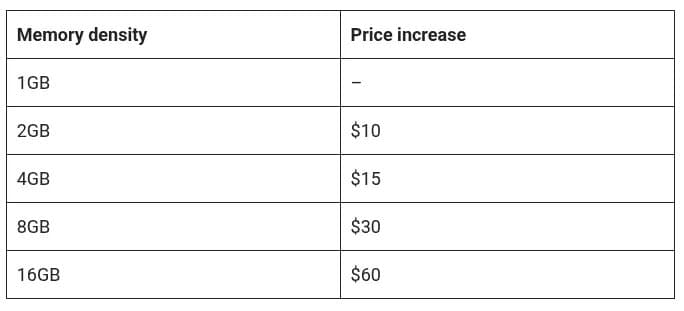
The Raspberry Pi Foundation has announced a second round of price increases in 2026, citing persistent memory shortages that continue to affect the broader semiconductor industry. The latest adjustments impact all Raspberry Pi 4 and 5 models, as well as Compute Module 4 and 5 products with 2GB or more of memory, with price increases ranging from $10 to $60 depending on memory configuration.
Memory Price Increases by Configuration
The new pricing structure reflects the escalating costs of DRAM components:
- 2GB models: +$10
- 4GB models: +$15
- 8GB models: +$30
- 16GB models: +$60
These increases apply across the entire affected product line, including the popular Raspberry Pi 4 and the newer Raspberry Pi 5, as well as their respective Compute Module variants designed for industrial and embedded applications.
Strategic Inventory Management
Interestingly, the Raspberry Pi Zero and Raspberry Pi 3 product lines remain unaffected by these price adjustments. According to the Foundation, they maintain "several years' inventory" of LPDDR2 memory for these older models, providing a buffer against current market volatility.
This inventory strategy demonstrates the Foundation's forward-thinking approach to supply chain management, having secured memory supplies for their entry-level products well in advance of the current shortage.
Industry-Wide Memory Shortage Context
The price increases announced today represent the second round of adjustments in 2026, following similar increases last year. This pattern reflects broader challenges in the global semiconductor supply chain, where memory manufacturers have struggled to meet surging demand across multiple sectors.
DRAM prices have been particularly volatile in 2026, driven by increased demand from artificial intelligence applications, cloud computing infrastructure, and consumer electronics. The Raspberry Pi Foundation's pricing adjustments mirror similar moves by other single-board computer manufacturers and electronics companies worldwide.
Impact on the Maker Community
The price increases come at a challenging time for the maker and educational communities that have long relied on Raspberry Pi's affordable computing platforms. The $60 increase for 16GB configurations represents a significant jump for users requiring maximum memory capacity for demanding applications like machine learning inference or complex simulations.
However, the Foundation has maintained the pricing for their entry-level offerings, ensuring that basic computing and educational projects remain accessible despite the market pressures affecting higher-end configurations.
Looking Forward
As memory shortages continue to affect the electronics industry, the Raspberry Pi Foundation's approach of selectively increasing prices based on memory density while maintaining inventory for certain product lines offers a balanced response to market conditions. The Foundation has not indicated when prices might stabilize, suggesting that the current situation could persist throughout 2026.
For detailed pricing information and affected product SKUs, users can visit the official Raspberry Pi website at RaspberryPi.com.
The Raspberry Pi 5, which debuted with significant performance improvements over its predecessor, now faces the challenge of maintaining its value proposition in the face of rising component costs. The Foundation's decision to absorb some of the memory cost increases while passing others to consumers reflects the difficult balance between maintaining accessibility and ensuring business sustainability in a challenging supply environment.
Comments
Please log in or register to join the discussion