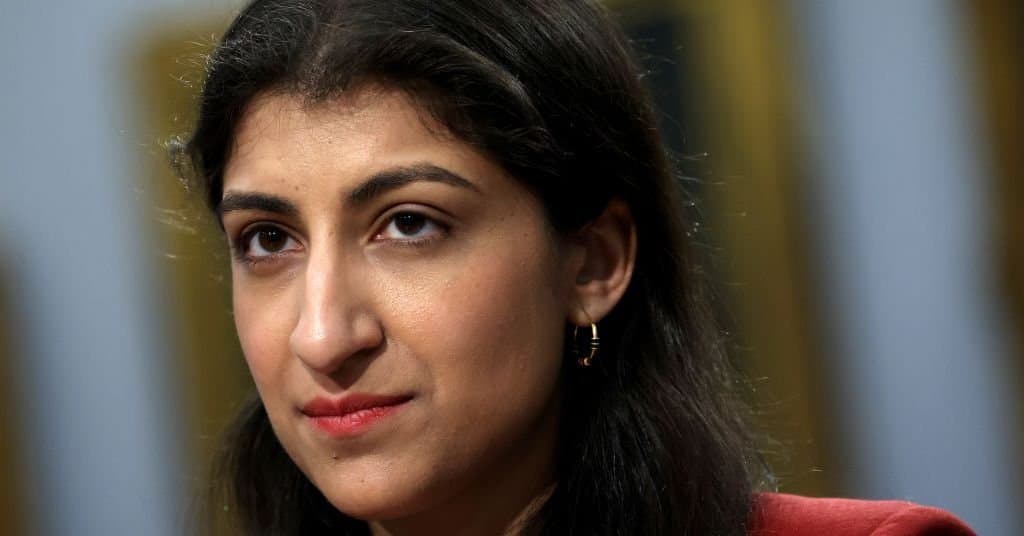
The FTC has removed critical blog posts on AI safety and open-source models authored by former chair Lina Khan, raising alarms about regulatory transparency. This purge coincides with shifting federal AI policies and could leave developers without vital guidance on ethics and compliance.
FTC Scrubs Key AI Guidance Under New Leadership, Igniting Transparency Fears
In a move that has rattled the tech policy landscape, the Federal Trade Commission (FTC) has systematically erased blog posts authored by former chair Lina Khan, including pivotal analyses of artificial intelligence risks and the 'open-weights' model framework. This purge, executed under the new Trump administration, not only obscures historical guidance but signals a potential pivot in how regulators approach AI governance—leaving developers and startups in the dark on compliance best practices.
The Vanishing Acts: A Timeline of Lost Insights
According to WIRED and Internet Archive records, the deletions targeted three cornerstone pieces:
- 'On Open-Weights Foundation Models' (July 2024): Redirected in September, this post introduced 'open-weights' as a precise alternative to vague 'open-source' labels, emphasizing models with publicly accessible training weights for scrutiny and innovation. It argued this approach democratizes AI, letting "smaller players bring their ideas to market."
- 'Consumers Are Voicing Concerns About AI' (October 2023): Redirected in August, it cataloged emerging public fears about AI-driven harms.
- 'AI and the Risk of Consumer Harm' (January 2025): Fully deleted by mid-August, this warned of AI enabling "commercial surveillance, fraud, impersonation, and illegal discrimination."
The FTC has offered no explanation, and Khan declined comment. Douglas Farrar, former FTC public affairs director, told WIRED: "I was shocked to see the Ferguson FTC be so out of line with the Trump White House on this signal to the market."
Why the 'Open-Weights' Debate Matters to Developers
Khan's advocacy for open-weights models emerged during 2024's heated debates over California's SB 1047 bill, which proposed stringent AI safety rules. Critics, including Khan, feared it would stifle open-source innovation. Her Y Combinator speech that July framed accessible model weights as essential for competition—positioning the FTC as a shield against monopolistic practices. The removal of this guidance now creates ambiguity for engineers building or auditing AI systems, particularly around:
- Transparency: Without weights, debugging bias or errors becomes guesswork.
- Compliance: Startups lose clear FTC benchmarks for avoiding 'deceptive' AI, like those in the vanished 'Luring Test' post—award-winning guidance on ethical chatbot design.
- Innovation: Open weights lower entry barriers, but policy shifts could chill collaborative development.
Broader Pattern: Erasing Institutional Knowledge
This isn't isolated. Since January, the FTC has deleted hundreds of Khan-era posts, including critiques of tech giants like Amazon and Microsoft. An FTC source warned WIRED this may violate the Federal Records Act, which mandates preserving documents with "administrative, legal, or historical value." The irony? The Trump administration's July AI Action Plan champions "leading open models" and a "supportive environment"—rhetoric echoed by advisers like David Sacks and Sriram Krishnan.
The Stakes for Tech's Future
For developers, these deletions represent more than bureaucratic housekeeping. They erase navigational beacons in a field where regulatory clarity is scarce. Khan's posts provided actionable insights into mitigating AI risks—tools now absent as generative AI adoption soars. If the FTC retreats from scrutinizing AI's societal harms, it could accelerate unchecked deployment of biased or exploitative systems.
As the tech community grapples with these gaps, the unanswered question lingers: In the race for AI supremacy, who benefits when regulators redact the roadmap?
Source: WIRED
Comments
Please log in or register to join the discussion