Samsung's new Privacy Display technology for the Galaxy S26 Ultra could make its way to MacBooks by 2029, solving the ironic privacy problem created by Apple's own wide-angle display innovation.
Samsung has introduced a new privacy feature to its Galaxy S26 Ultra smartphone, and a new report suggests that future MacBooks may adopt the same technology. If so, it will be rather ironic as MacBooks were among the earliest laptops to benefit from a feature which can now sometimes be considered a bug.
Display viewing angles
Early laptop displays had a significant drawback if you are wanting to show something to a colleague or friend: they supported only rather narrow viewing angles. In other words, you had to be sat almost directly in front of the screen to see it properly. If you tried to view it obliquely, as you would if you were sat next to the laptop user, it would appear either very dark or completely impossible to see.
Apple was one of the very first companies to adopt displays with wide viewing angles, solving this problem. Today's MacBook displays can be easily viewed no matter how wide the angle.
The privacy problem
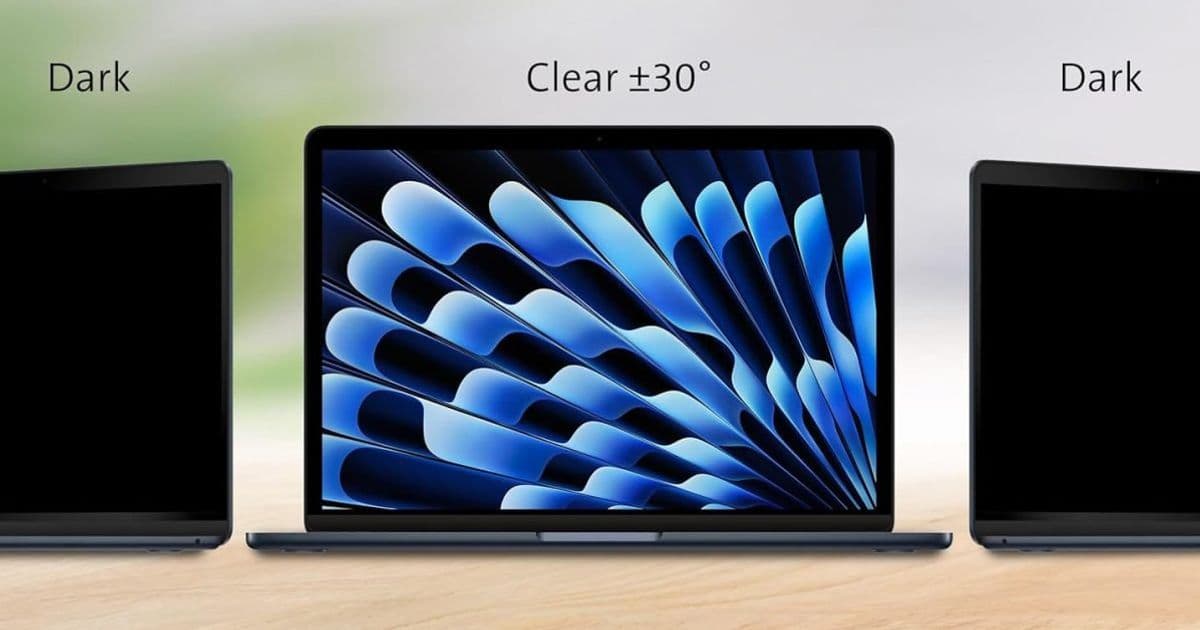
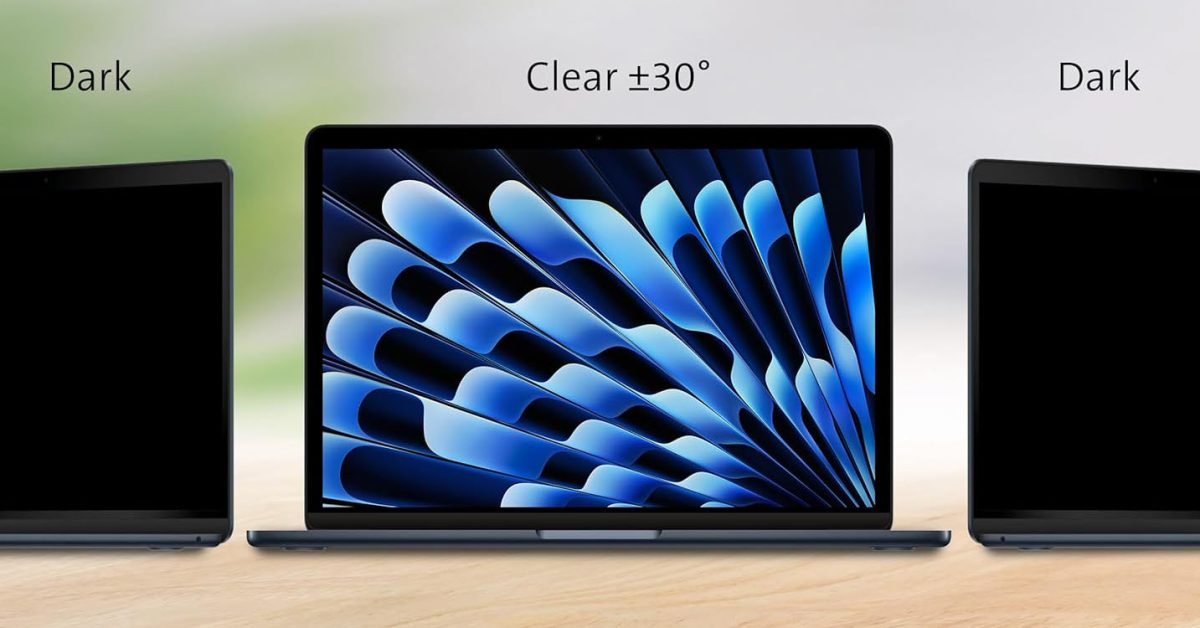
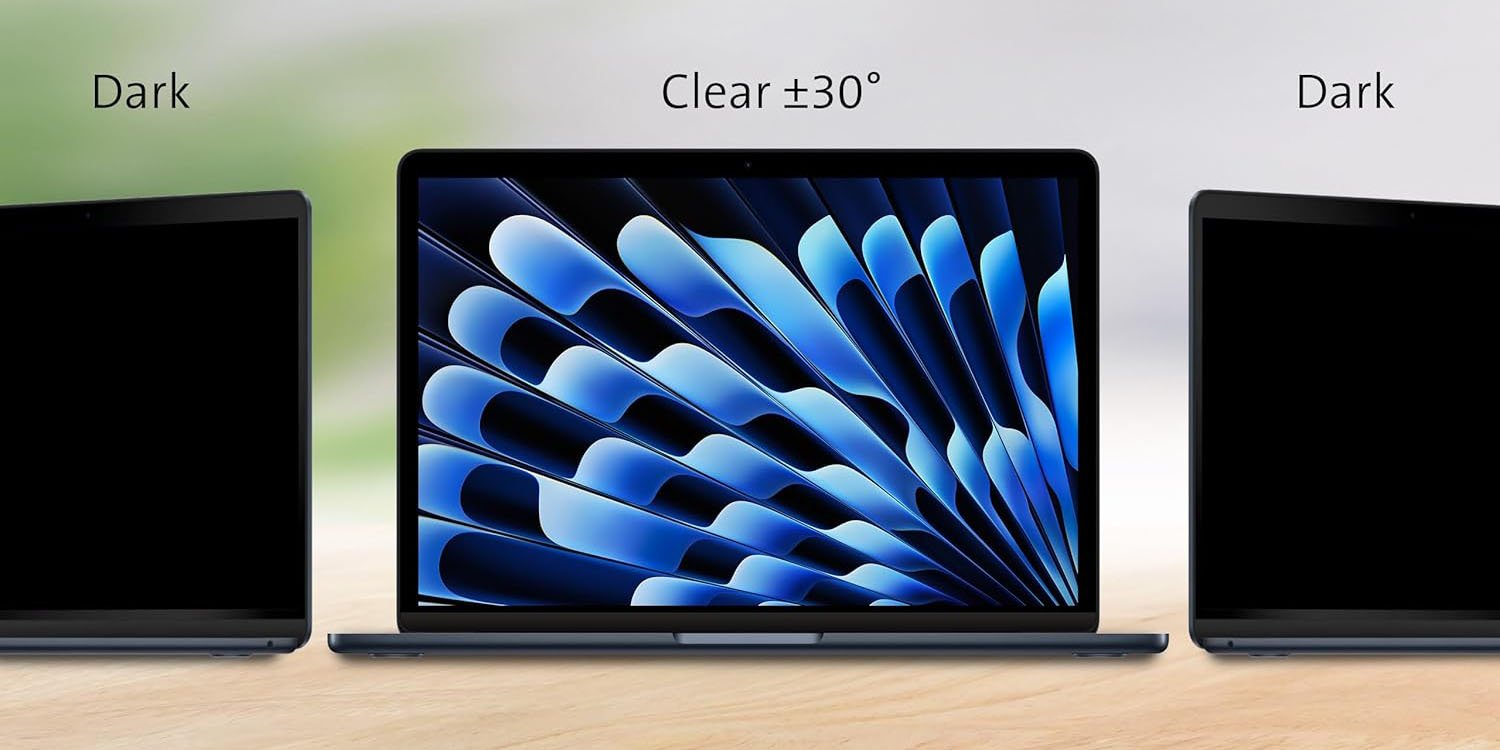
Ironically, however, this has created a privacy problem for some. If you're using your MacBook in a public place like a coffee shop or onboard a plane, the fact that your neighbors can read the content can be problematic when the content is confidential. Indeed, there are third-party privacy screens you can buy for MacBooks and other laptops to restore the old-school characteristic of narrow viewing angles.
Samsung's Privacy Display
Samsung is about to unveil its new Galaxy S26 Ultra smartphone, and the company has already promoted one of its headline features, a new Privacy Display. This is intended to offer the best of both worlds: wide-angle viewing by default, but the option of narrow-angle viewing for specific apps, or sensitive content like passwords and notifications.
Not everyone needs the same level of privacy. This new layer gives you the choice to decide what works best for you. You can customize it to raise your guard with specific apps, or when entering access details for more private areas of your phone. With multiple settings for adjusting visibility, you can limit what others can see based on the level of privacy protection you need. You can also choose to protect specific parts of your experience, such as notification pop-ups. It's a tailored approach that you can fine-tune or switch off entirely, rather than a blanket one.
Reportedly coming to MacBooks in 2029
According to Twitter account Ice Universe, market research firm Omdia expects the same privacy display technology to be offered in MacBooks by 2029. The reason for the somewhat delayed introduction is likely two-fold. First, it's an OLED technology, which means Apple needs to have first updated its MacBook lineup to the newer display tech. Second, it's likely that it will take Samsung additional time to support the much larger displays used in laptops.
The irony of this development is particularly striking. Apple pioneered wide viewing angle displays for MacBooks, solving a genuine usability problem. Now, decades later, the company may need to borrow technology from Samsung to address the privacy concerns that Apple's own innovation inadvertently created.
For now, MacBook users concerned about privacy in public spaces have limited options. Third-party privacy screens remain the primary solution, though these can affect display quality and viewing experience. The potential integration of Samsung's Privacy Display technology would represent a significant advancement, allowing users to maintain the benefits of wide viewing angles while selectively protecting sensitive information when needed.
As Apple continues its transition to OLED displays across its product lineup, the groundwork is being laid for this technology to eventually make its way to MacBooks. While 2029 may seem distant, it represents the likely timeline for when this privacy feature could become available to MacBook users, bringing a new level of control over what information is visible to others in shared spaces.
Comments
Please log in or register to join the discussion