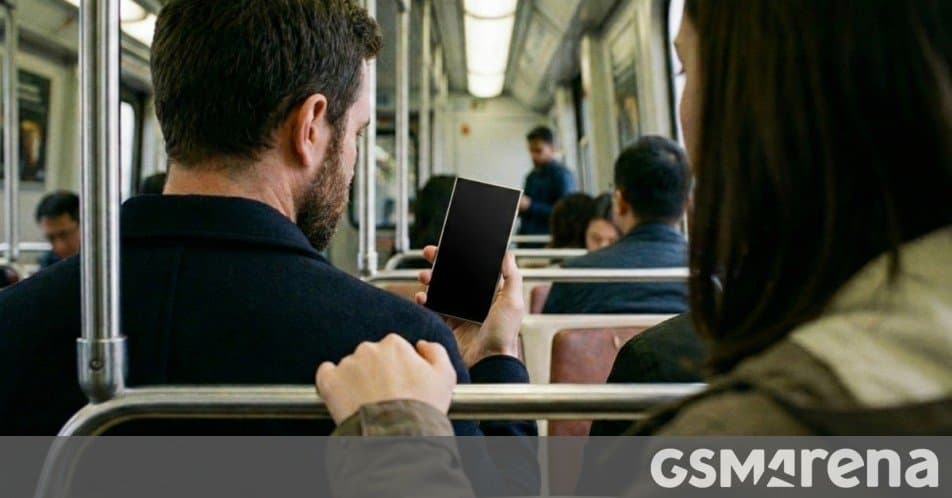
Samsung's innovative Privacy Display technology, initially rumored for the Galaxy S26 Ultra, may find its way to Apple's MacBook lineup by 2029, according to tipster Ice Universe.
Samsung's innovative Privacy Display technology, initially rumored for the Galaxy S26 Ultra, may find its way to Apple's MacBook lineup by 2029, according to tipster Ice Universe. This potential cross-platform adoption marks a significant shift in how privacy features could evolve across the mobile and laptop computing landscape.
The Technology Behind Privacy Display
The Privacy Display technology works by selectively limiting viewing angles, ensuring that on-screen content remains visible only to the person directly in front of the device. This is achieved through specialized hardware that controls light emission patterns, effectively creating a "cone of visibility" around the user while making the screen appear dark or distorted to onlookers from side angles.
Unlike software-based privacy filters that can be toggled on and off, this hardware-based approach promises more seamless integration and potentially better performance. Users will reportedly have granular control over the feature, with the ability to enable it for specific areas of the display or disable it entirely when not needed.
From Galaxy S26 Ultra to MacBook
The journey of this technology from Samsung's flagship smartphone to Apple's premium laptops represents an interesting convergence in the tech industry. While Samsung is set to unveil the Galaxy S26 series on February 25, 2026, with the Privacy Display feature expected to debut exclusively on the Ultra model, the timeline for MacBook integration extends to 2029.
This four-year gap suggests that Apple would need time to adapt the technology for laptop displays, which differ significantly from smartphone screens in terms of size, power requirements, and usage patterns. The delay also indicates that this isn't a simple licensing deal but rather a complex integration process that requires significant engineering work.
Implications for the Laptop Market
If Apple successfully implements Samsung's Privacy Display technology in MacBooks, it could set a new standard for laptop privacy features. The technology addresses a growing concern in today's mobile work environment, where professionals frequently work in public spaces like coffee shops, airports, and co-working areas.
The potential for other laptop manufacturers to adopt similar technology could follow, creating a new category of privacy-focused devices. This could be particularly valuable for business users handling sensitive information, journalists working on confidential stories, or anyone concerned about visual hacking in public spaces.
Technical Challenges and Considerations
Adapting smartphone privacy display technology for laptops presents several challenges. Laptop screens are significantly larger than smartphone displays, requiring more sophisticated light control mechanisms. The power consumption patterns also differ, as laptops typically run on batteries for extended periods compared to smartphones.
Additionally, the viewing experience must be carefully calibrated to ensure that the privacy feature doesn't interfere with normal use when disabled. The technology must seamlessly integrate with macOS's display management system and work consistently across different lighting conditions and viewing angles.
The Competitive Landscape
This potential collaboration between Samsung and Apple highlights the complex relationships in the tech industry, where competitors often share technologies and innovations. While the two companies compete fiercely in the smartphone and laptop markets, they also have interdependent relationships in areas like component supply and technology licensing.
The move could pressure other laptop manufacturers to develop similar privacy features or seek licensing agreements with Samsung. Companies like Dell, HP, and Lenovo may need to accelerate their own privacy display research or risk falling behind in the premium laptop segment.
Looking Ahead to 2029
With the 2029 timeline, consumers and industry watchers have several years to anticipate how this technology might evolve. By the time it reaches MacBooks, the technology could see improvements in viewing angle control, power efficiency, and integration with other privacy features.
The adoption of Privacy Display technology in laptops could also drive innovation in related areas, such as improved webcam covers, advanced biometric authentication, and more sophisticated screen security protocols.
As we approach the Galaxy S26 Ultra launch in February 2026, the tech community will be watching closely to see how Samsung's Privacy Display technology performs in real-world use. The success or challenges of this initial implementation could significantly influence Apple's development timeline and approach for the MacBook integration.
This cross-pollination of technology between major tech companies demonstrates how innovation often transcends traditional competitive boundaries, ultimately benefiting consumers with more advanced and secure computing experiences.
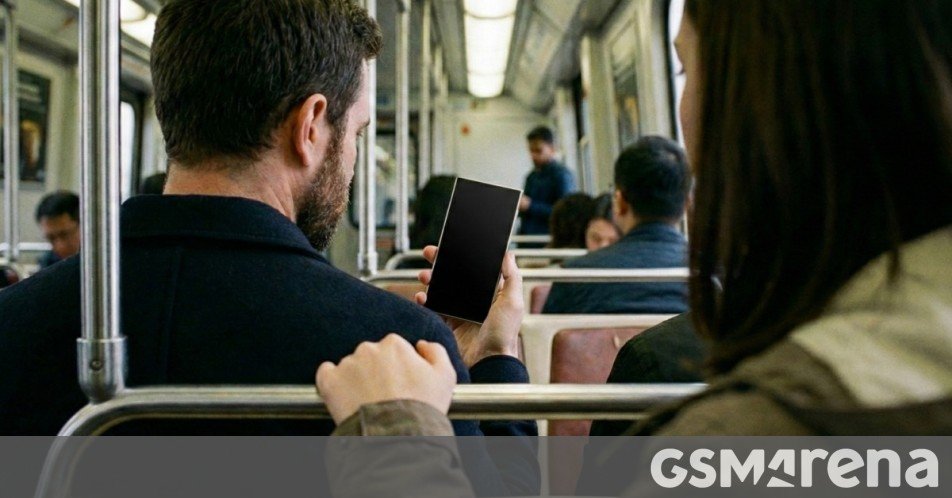
The featured image shows a conceptual representation of privacy display technology in action, illustrating how the screen appears normal to the user while appearing dark or distorted to onlookers from side angles.
Comments
Please log in or register to join the discussion