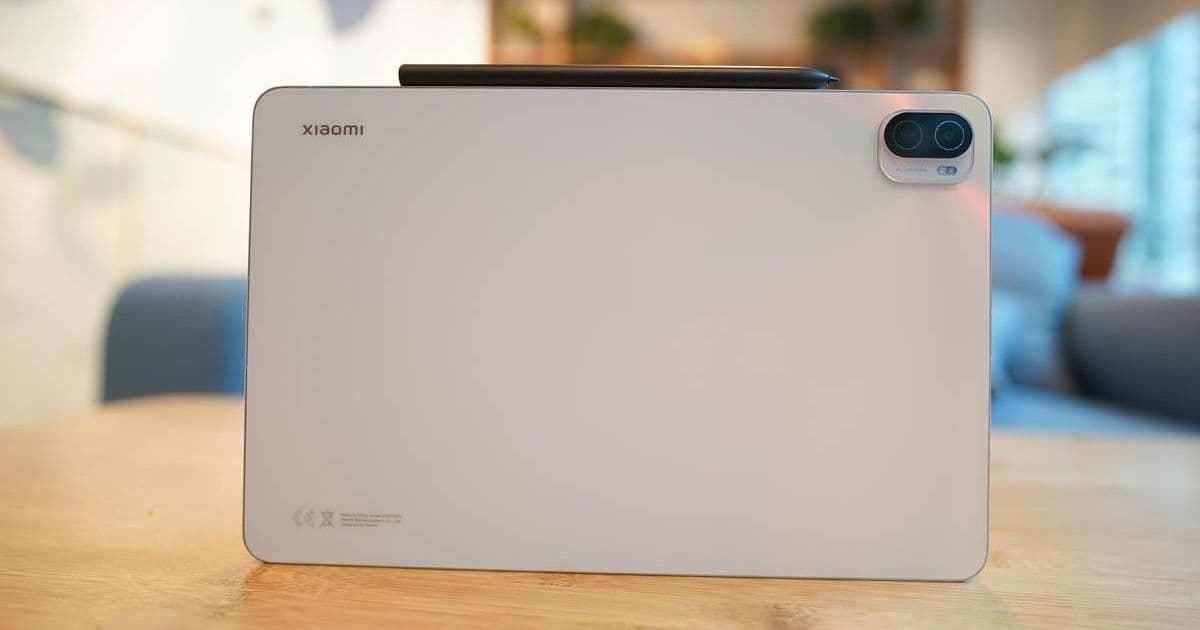
Fedora Pocketblue Remix brings an atomic Fedora Linux experience to select Android devices using OCI containers and OSTree technology.
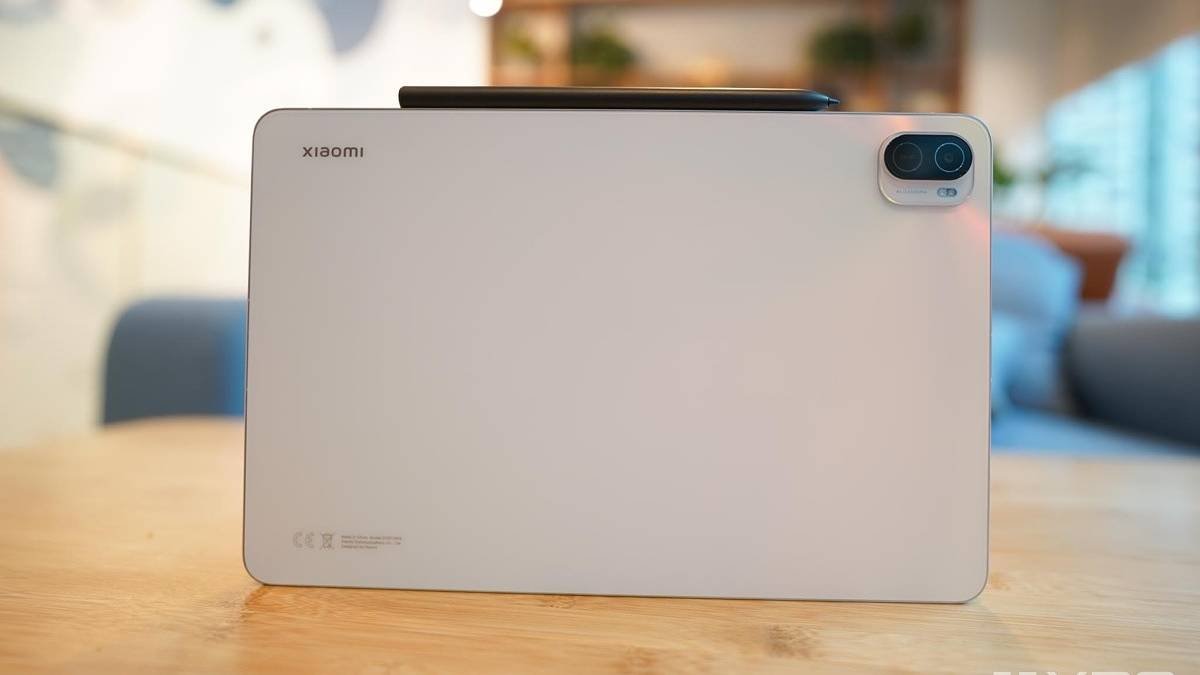
Fedora Pocketblue Remix introduces a new approach to running Linux on mobile devices by implementing Fedora's atomic update system on Android hardware. This project leverages Universal Blue (uBlue) technologies to create a container-based Linux environment that prioritizes reliability and reproducibility.
The system utilizes OCI containers for image distribution, OSTree for atomic updates, and Bootc for container-to-host conversion. This architecture ensures that system updates are applied atomically—either fully successful or completely rolled back—eliminating partial updates that can leave systems in unstable states. Current builds are based on Fedora's upstream atomic images like Silverblue and Kinoite.
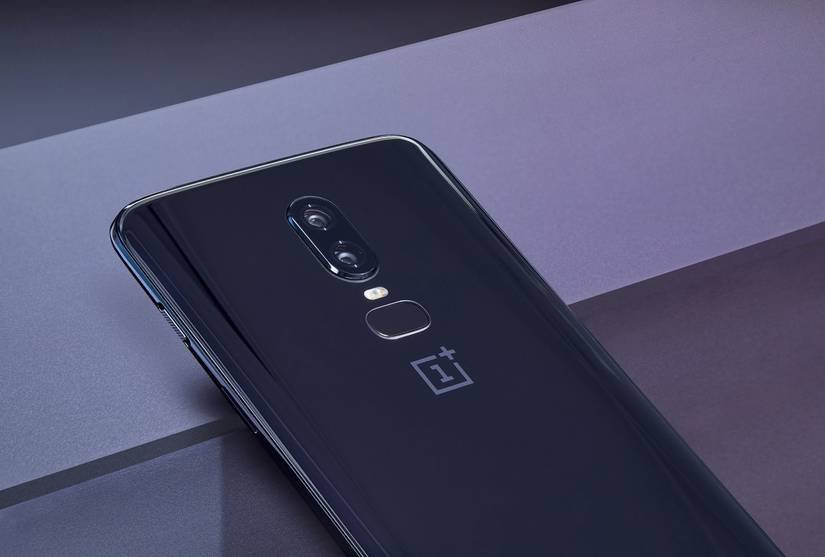
Device compatibility remains limited during this development phase. Confirmed working devices include:
- Xiaomi Pad 5
- Xiaomi Pad 6
- OnePlus 6 and 6T
These devices were selected for their unlocked bootloader capabilities and community developer access. The installation requires replacing your Android OS entirely, not running in dual-boot mode. This approach provides bare-metal performance but requires technical expertise to implement.
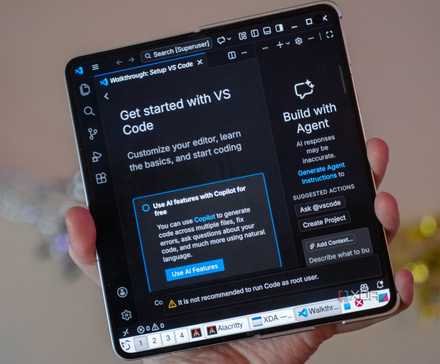
From an ecosystem perspective, Pocketblue Remix offers Android users an escape path from Google's ecosystem while maintaining mobile functionality. The atomic update model brings enterprise-grade stability to mobile devices, allowing users to receive verified updates without compromising existing configurations. However, it currently lacks cellular modem support on phones, limiting voice/text functionality.
The project maintains active development on GitHub where users can find installation instructions, documentation, and community chat links. As development progresses, the team aims to expand device compatibility and improve hardware integration, potentially creating a new category of Linux-first mobile devices.
Comments
Please log in or register to join the discussion