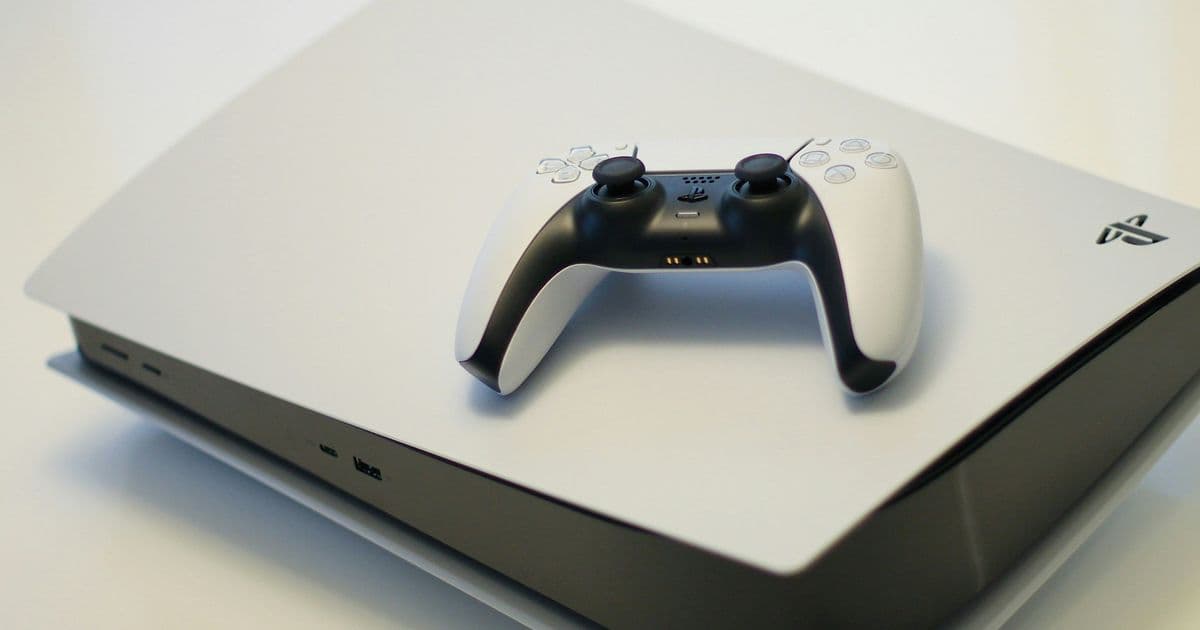
Insider reports confirm Sony's PS6 will implement a selective RDNA 5 GPU implementation rather than full architecture adoption, continuing the cost-containment strategy seen in PS5 designs.

Reliable industry insider KeplerL2 has revealed that Sony's upcoming PlayStation 6 console won't implement AMD's full RDNA 5 GPU architecture. Instead, the system will selectively incorporate specific RDNA 5 features while maintaining compatibility with older technologies. This strategic compromise appears designed to control manufacturing costs while delivering meaningful generational improvements.
The hybrid approach continues Sony's established design philosophy seen in current consoles. The PlayStation 5 utilizes an RDNA 1-based GPU enhanced with custom ray tracing capabilities, while the recent PS5 Pro incorporates RDNA 4 elements specifically for advanced ray tracing. This selective technology adoption allows Sony to target specific performance enhancements without requiring complete architectural overhauls.
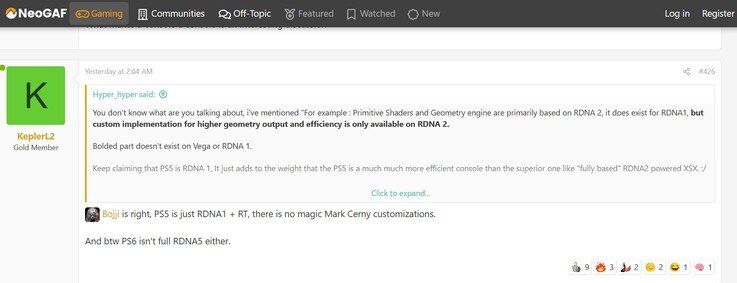 Sony PS6 RDNA 5 specs leak.
Multiple factors drive this architectural compromise:
- Component economics: The PS6's rumored specifications include a Zen 6 CPU and 30GB of unified memory, both representing significant cost drivers given current semiconductor pricing
- Pricing pressure: With Microsoft's next-generation Xbox rumored to approach $1,000 as a PC-hybrid device, Sony must maintain its console market advantage through aggressive pricing
- Storage innovation: Early reports suggest novel storage compression techniques could offset some performance gaps created by the hybrid architecture
Industry analysts note that while today's memory and storage markets show inflationary pressures, conditions may stabilize before the PS6's expected 2028 launch. This potential normalization could allow Sony to deliver the rumored specifications without drastic price increases over current-generation consoles.
The architectural strategy reflects Sony's pragmatic approach to console design: balancing cutting-edge performance with mass-market accessibility. By focusing RDNA 5 implementation on specific performance-critical features rather than full adoption, Sony potentially avoids passing excessive costs to consumers while still delivering noticeable generational improvements over the PS5 series.
As development continues, attention will focus on how Sony positions the PS6 against Microsoft's premium-priced next Xbox, particularly regarding how the selective RDNA 5 implementation affects real-world gaming performance versus theoretical benchmarks.
Comments
Please log in or register to join the discussion