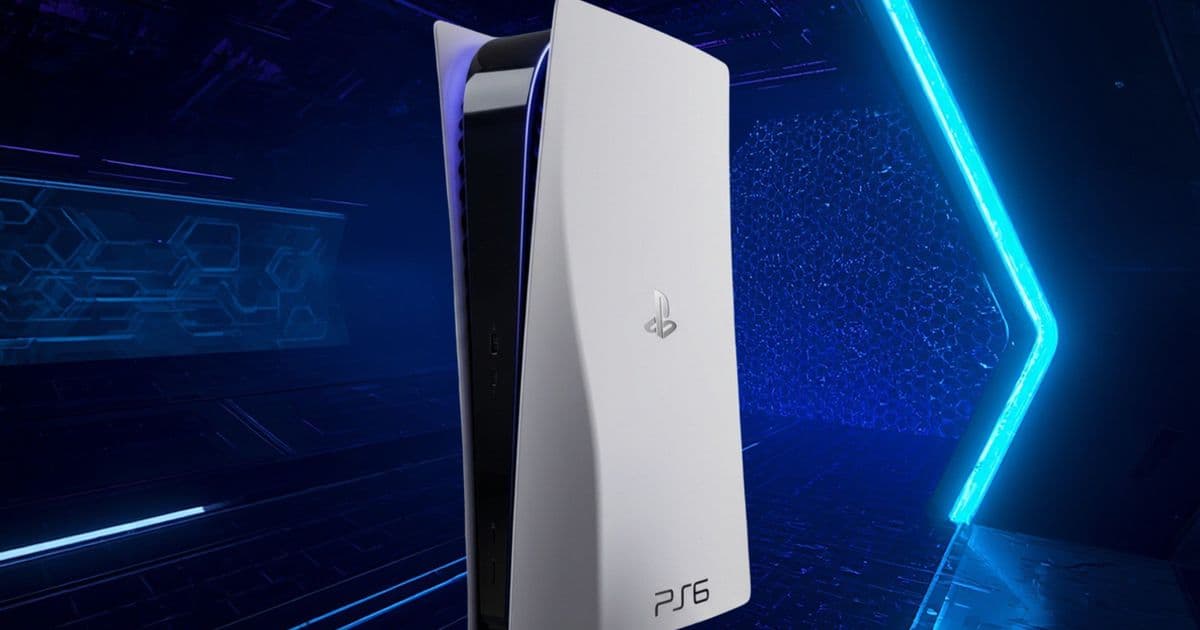
Recent rumors suggest Sony might delay the PS6 or reduce its specifications due to memory shortages and slowing PS5 sales. However, industry insider Moore's Law Is Dead maintains that Sony will stick to its timeline and maintain the console's capabilities, potentially at a higher initial cost. We analyze these claims and what they mean for gamers and the console market.
What's New
The PlayStation 6 rumor mill is in full swing, with conflicting reports about potential delays and specification reductions. At the center of the speculation is the console's memory configuration, with some insiders suggesting Sony might downsize the GDDR7 VRAM from an expected 30GB to 24GB and reduce the memory bus width from 160-bit to 128-bit.
These changes, while potentially lowering the manufacturing cost, would represent a significant compromise for a system expected to define the next generation of gaming. The speculation comes amid concerns about PS5 sales performance, which has reportedly slowed compared to the same period in 2025.
Adding fuel to the fire, Sony President and CEO Hiroki Totoki recently confirmed increased investment in a "next-generation platform" without specifying the PlayStation 6 or providing a concrete release timeline. He did acknowledge that higher component costs pose a threat to these plans.

How It Compares
When examining these rumors against previous console launches, we can identify several patterns. Historically, Sony has maintained aggressive release timelines for its PlayStation consoles, with approximately 6-7 years between major generations. The PS5 launched in late 2020, suggesting a potential PS6 release around 2026-2027.
The memory configuration rumors are particularly interesting when compared to the PS5's architecture. The current console features 16GB of GDDR6 memory with a 256-bit bus, delivering 448GB/s of bandwidth. A 24GB GDDR7 configuration with a 128-bit bus would provide approximately 614GB/s of bandwidth, while the rumored 30GB with 160-bit bus would offer around 819GB/s.
For context, the PS4 launched with 8GB of GDDR5 memory, a significant upgrade from the PS3's 512MB of GDDR3. This memory capacity boost was crucial for enabling more complex game worlds and improved textures.
The potential reduction in memory bus width would be unusual for Sony, as the company has typically prioritized bandwidth in its console designs. The PS5's custom architecture emphasized high bandwidth to overcome traditional CPU bottlenecks in game development.
Who It's For
These developments matter most to several key groups:
Early Adopters: Gamers planning to purchase the PS6 at launch will want to know whether they're getting the most powerful hardware possible or a compromised version due to cost-cutting measures.
Developers: Game studios are already planning projects for the next generation. Any changes to the final hardware specifications could impact development timelines and game designs.
Investors: Sony's stock performance is tied to PlayStation division success. The company's ability to maintain its console release schedule and technological competitiveness affects investor confidence.
Competitors: Microsoft and Nintendo will be monitoring Sony's moves closely. Any delays or spec reductions could create opportunities for Microsoft's Xbox or Nintendo's next console.
For consumers, the most immediate concern is likely pricing. The PS5 launched at $499 for the standard model and $399 for the Digital Edition, representing a price increase from the PS4's launch. If Sony reduces specifications to maintain this price point, it could alienate core gamers who expect generational leaps in performance.
Moore's Law Is Dead makes a compelling argument that Sony can't afford to compromise on the PS6's capabilities. With the PS5's sales reportedly slowing, Sony needs a compelling next-generation product to maintain market momentum. The insider suggests Sony may be willing to absorb initial losses on hardware sales, similar to its strategy with previous PlayStation consoles, recouping profits through software and services later in the console's lifecycle.
The memory shortage situation adds another layer of complexity. GDDR7 memory is expected to be in limited supply initially, potentially driving up costs. Sony's decision to either wait for supply to normalize or proceed with potentially reduced specifications will be critical to the PS6's success.
Historically, Sony has shown willingness to take calculated risks with its hardware. The PS3's complex Cell processor caused early development challenges but ultimately enabled impressive technical achievements. The PS5's custom SSD solution initially faced skepticism but has been widely praised for improving load times and game design possibilities.
As we move closer to an expected PS6 announcement, gamers and industry watchers should monitor several key indicators: official announcements from Sony, developer conferences for hints about next-generation hardware, and component availability reports that could impact manufacturing timelines.
Final Analysis
While rumors of delays and specification cuts persist, the current insider consensus suggests Sony will maintain its aggressive timeline for the PS6. The company faces significant challenges with PS5 sales performance and component costs, but historical precedent indicates Sony prioritizes technological leadership and market position over short-term cost savings.
For consumers, the most likely scenario is a PS6 that delivers on the generational leap expected by enthusiasts, potentially at a premium price point. Sony's willingness to absorb initial hardware losses could enable the company to maintain its performance expectations while managing production constraints.
As with any console launch, the final specifications and pricing will only be confirmed by official announcements. Until then, gamers should approach rumors with skepticism while monitoring reliable industry sources for accurate information about the PlayStation 6's development.
Comments
Please log in or register to join the discussion