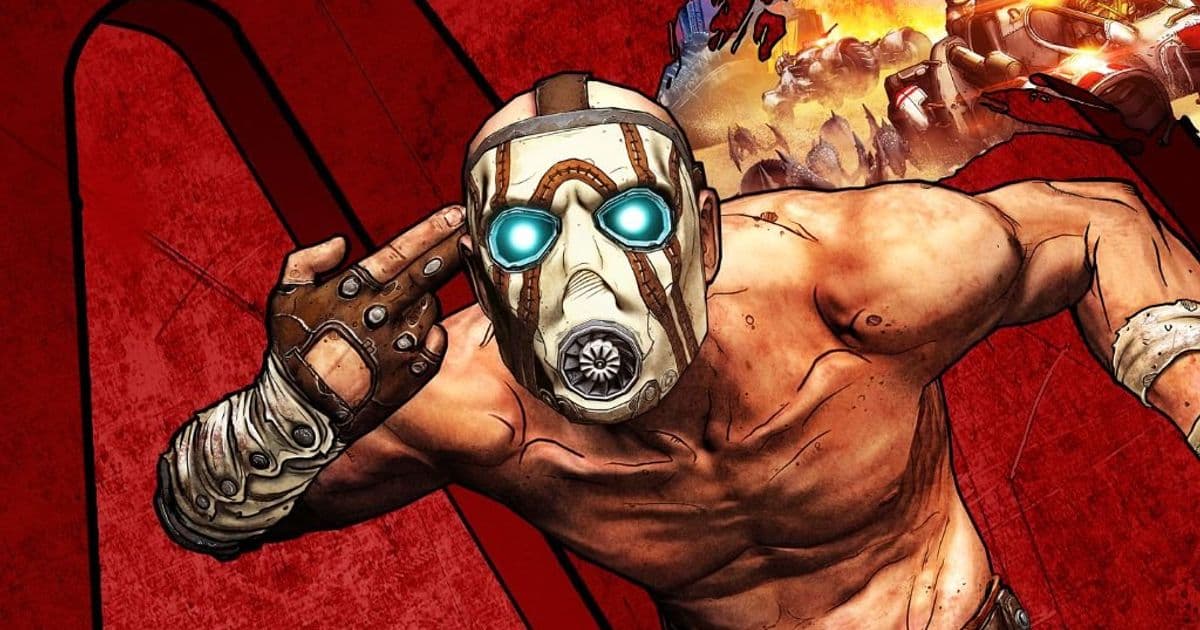
Take-Two Interactive CEO Strauss Zelnick reveals the studio spent an additional $50 million to completely overhaul Borderlands' visual style from gritty realism to iconic cel-shading, a decision that saved the franchise but nearly no other publisher would have made.
In the late 2000s, Gearbox Software faced a critical decision point with their upcoming shooter, Borderlands. The game was essentially complete, featuring a gritty, realistic art style that mirrored many Xbox 360 shooters of the era. However, the development team felt something was missing. The muddy, post-apocalyptic aesthetic felt stale, lacking the differentiation needed to stand in a crowded marketplace. This realization led to one of the most significant pivots in gaming development history, a decision that cost an additional $50 million and delayed release by more than a year.
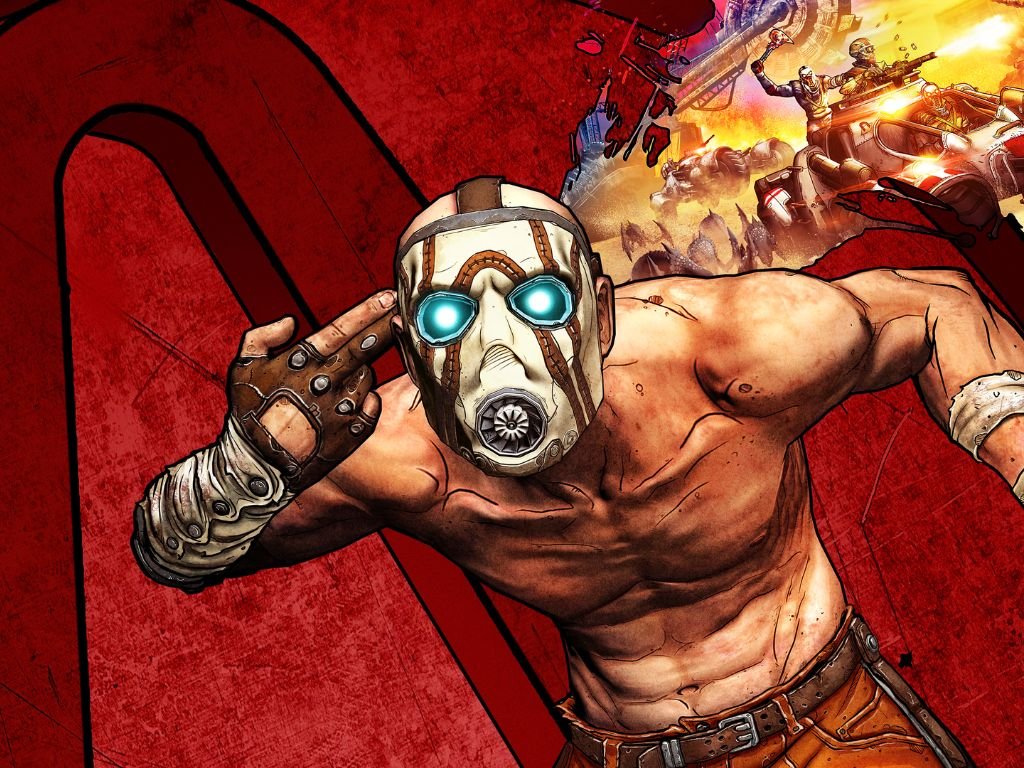
"We think we screwed up, and the art style is not appropriate and it's not differentiated, so we want to remake the game." These were the words Gearbox's division head delivered to Take-Two Interactive CEO Strauss Zelnick at the tail end of Borderlands' development. The request was audacious: essentially restarting development with a completely new visual direction. Most publishers would have rejected such a request outright, especially considering the financial context. In 2007, Take-Two had limited cash reserves, making the additional $50 million investment extraordinarily risky.
The original previews of Borderlands from 2007 depicted a world far more grounded in reality. Screenshots showed environments reminiscent of Gears of War or early Fallout 3 concepts, with browns, grays, and muted earth tones dominating the palette. The character designs were more conventional, lacking the exaggerated proportions and vibrant colors that would later define the series. This version of Borderlands largely disappeared from the internet before reemerging in 2008 with its now-iconic cel-shaded comic book aesthetic.
Zelnick, in a recent interview on David Senra's podcast, recounted his thought process upon receiving Gearbox's proposal. "I dug in and did my homework," he explained, before ultimately supporting the decision. "In the end, I supported the decision. And the title became Borderlands. Had we not done that, Borderlands wouldn't have been a hit. And that was a non-obvious decision. And I pretty much can assure you no one else in the business would have done it."
The CEO correctly identified why this decision was so unusual for the industry. "They would have said, 'The game is done. Put out the game. Move on to the next thing. I'm not spending $50 million to remake the goddamn thing in another art style.'" Most publishers prioritize release dates and cost efficiency over creative reinvention, especially when a product is already complete. The conventional wisdom would have been to release the finished product and learn from any mistakes in the sequel.
The cel-shaded approach fundamentally changed Borderlands' identity. The vibrant colors, exaggerated character designs, and comic book-inspired visual effects created a distinct aesthetic that separated it from the brown-and-gray shooters dominating the market. This visual style became inseparable from Borderlands' identity, influencing its humor, tone, and overall appeal. The decision also established a consistent visual language throughout the franchise, making each entry immediately recognizable.
Financially, the investment paid off handsomely. Borderlands launched in 2009 to critical acclaim and commercial success, spawning multiple sequels, spin-offs, and expanding into a multimedia franchise. The distinctive art style became a marketing advantage, helping the game stand out in a crowded marketplace. The series has since generated billions in revenue, validating Zelnick's unconventional decision.
The Borderlands art style pivot demonstrates the value of creative risk-taking in game development. While most publishers prioritize predictable returns, Take-Two's willingness to invest significantly in artistic differentiation created a franchise with lasting cultural impact. The story serves as a case study in how visual identity can contribute to a game's success, especially when it creates a strong, recognizable brand.
For modern developers and publishers, Borderlands' transformation offers valuable lessons. The decision shows that artistic vision, when properly executed, can become a competitive advantage. It also illustrates the importance of trusting creative teams who identify fundamental issues with their work, even when those concerns arise late in development. In an industry increasingly focused on safe bets, Borderlands stands as proof that sometimes the biggest risks yield the greatest rewards.
Comments
Please log in or register to join the discussion