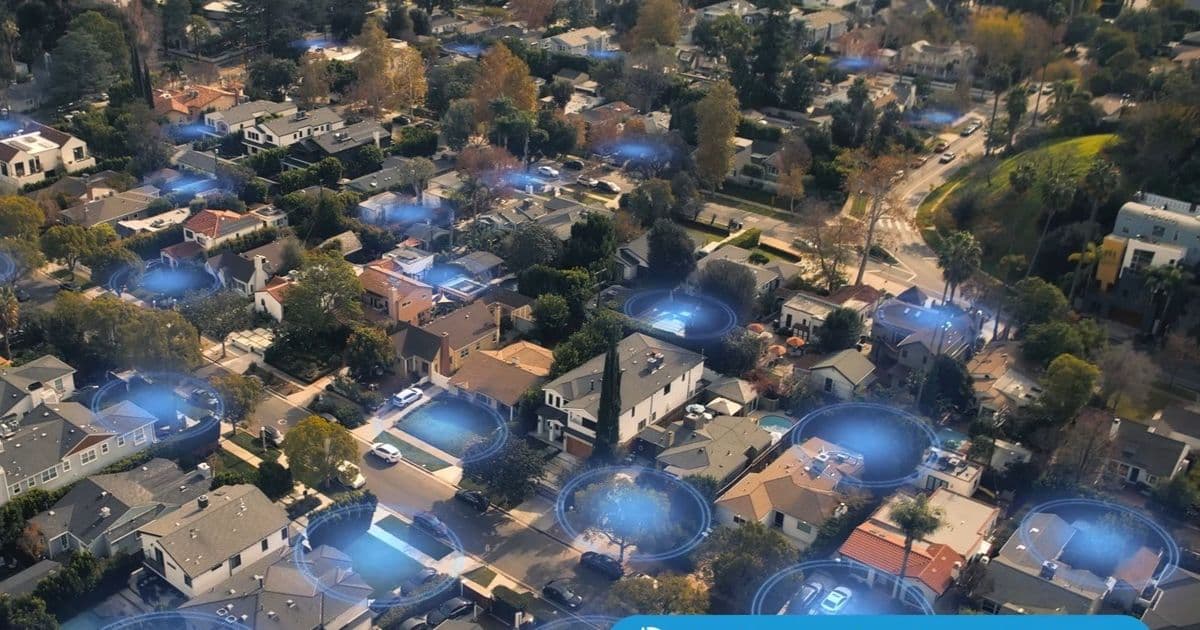
Amazon-owned Ring has terminated its planned integration with Flock Safety following public criticism over privacy implications, though its Community Requests feature remains active.
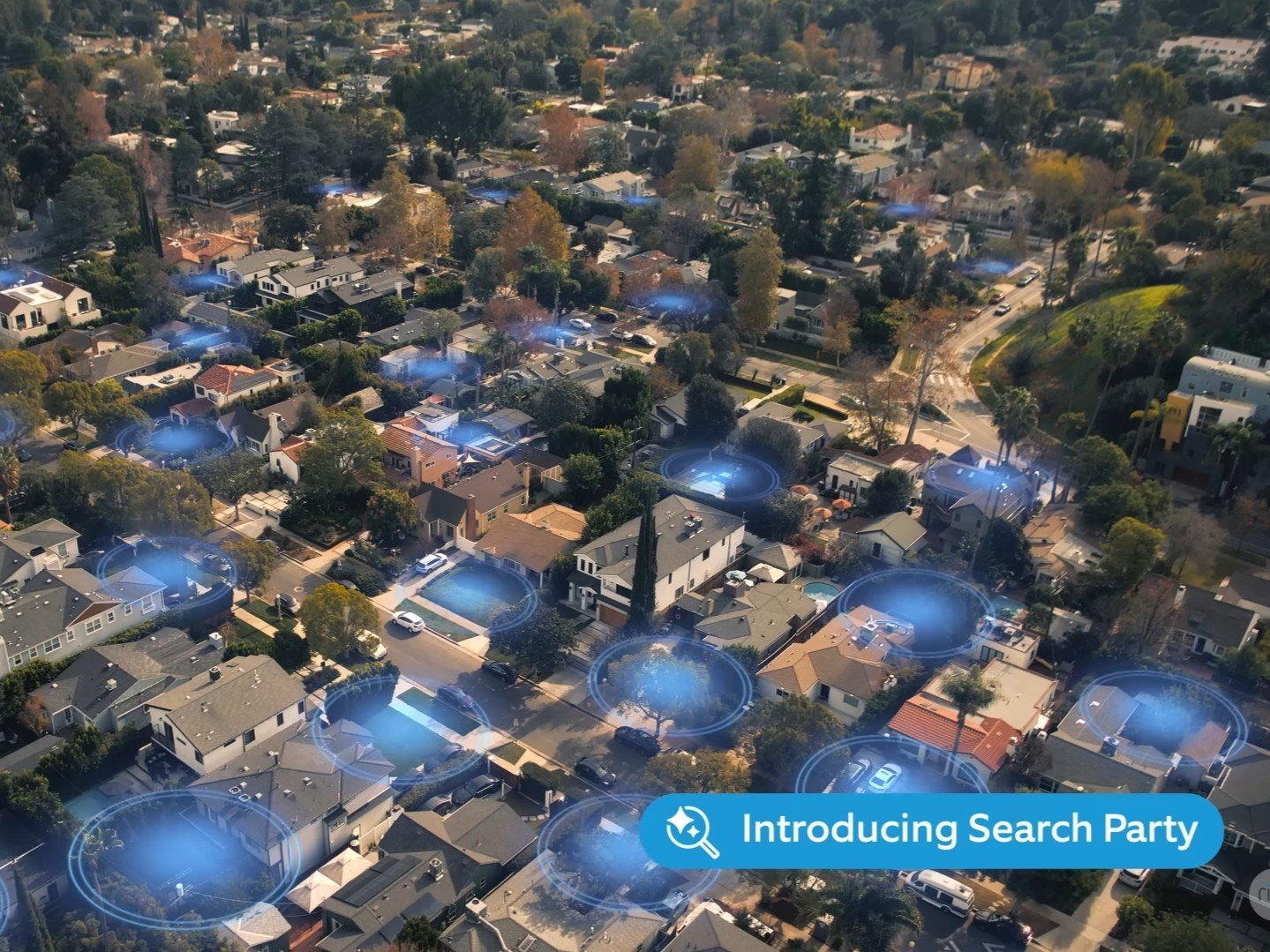
Ring, Amazon's home security subsidiary known for its $40-and-up cameras and video doorbells, has reversed course on a controversial partnership with surveillance firm Flock Safety. Originally announced in October 2025, the integration would have enabled law enforcement agencies to request footage directly from Ring users through Flock's platform during investigations. The abrupt cancellation follows intense public scrutiny sparked by Ring's Super Bowl advertisement showcasing its "Search Party" feature.

The breaking point came when Ring aired a commercial demonstrating how its AI-powered Search Party feature could locate a missing pet by scanning neighborhood camera feeds. While presented as a heartwarming tool for finding lost animals, the ad inadvertently highlighted the system's ability to track movement across multiple private properties using facial recognition and object detection. This sparked widespread privacy concerns about mass surveillance capabilities, despite Search Party being technically separate from the Flock Safety integration.
In a terse statement, Ring cited "significantly more time and resources than anticipated" as the reason for canceling the Flock partnership. The company emphasized that no customer video data was ever shared with Flock Safety, as the integration remained in development. Ring's core Community Requests functionality remains operational: law enforcement can still request footage through Ring's Neighbors app, but users retain full control over whether to share specific clips.
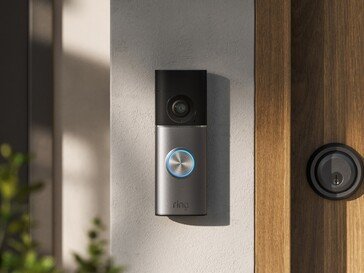
Compared to competitors like Google Nest ($99+) and Arlo ($100+), Ring maintains a distinctive approach to police collaboration. While Nest requires warrants for footage access and Arlo uses end-to-end encryption, Ring's Neighbors platform creates a more accessible request system. The cancellation demonstrates how privacy concerns directly impact feature development in the home security market. Users seeking maximum privacy should consider cameras with local storage options like Eufy's 2K models ($130+), though Ring maintains advantages in cloud integration and AI detection.
This reversal matters most for existing Ring users concerned about data sharing and potential buyers prioritizing privacy. While cancellation addresses immediate fears about third-party data access, Ring's architecture still enables network-wide object tracking. Consumers should evaluate whether convenience features like package detection or animal tracking justify the privacy trade-offs inherent in interconnected camera systems. As manufacturers balance innovation with ethical concerns, Ring's experience illustrates how public perception can rapidly alter product roadmaps.
Comments
Please log in or register to join the discussion