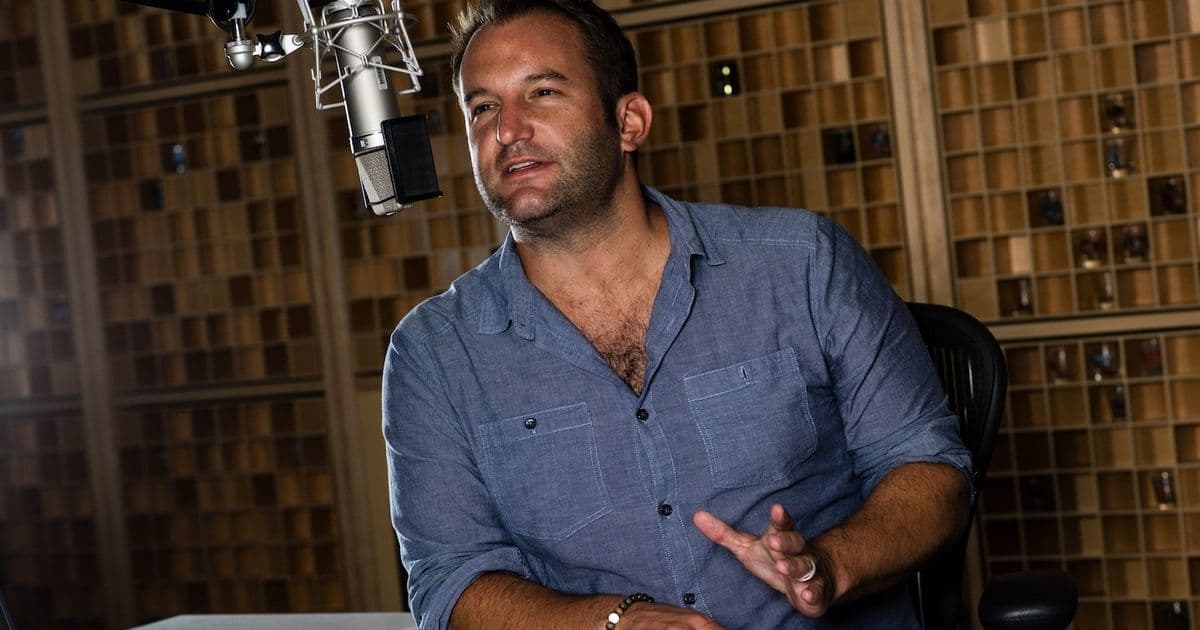
Former NPR host David Greene is suing Google, alleging its NotebookLM AI replicated his distinctive voice without permission. Google claims the voice derives from a licensed actor, but the case exposes unresolved questions about consent in synthetic media.
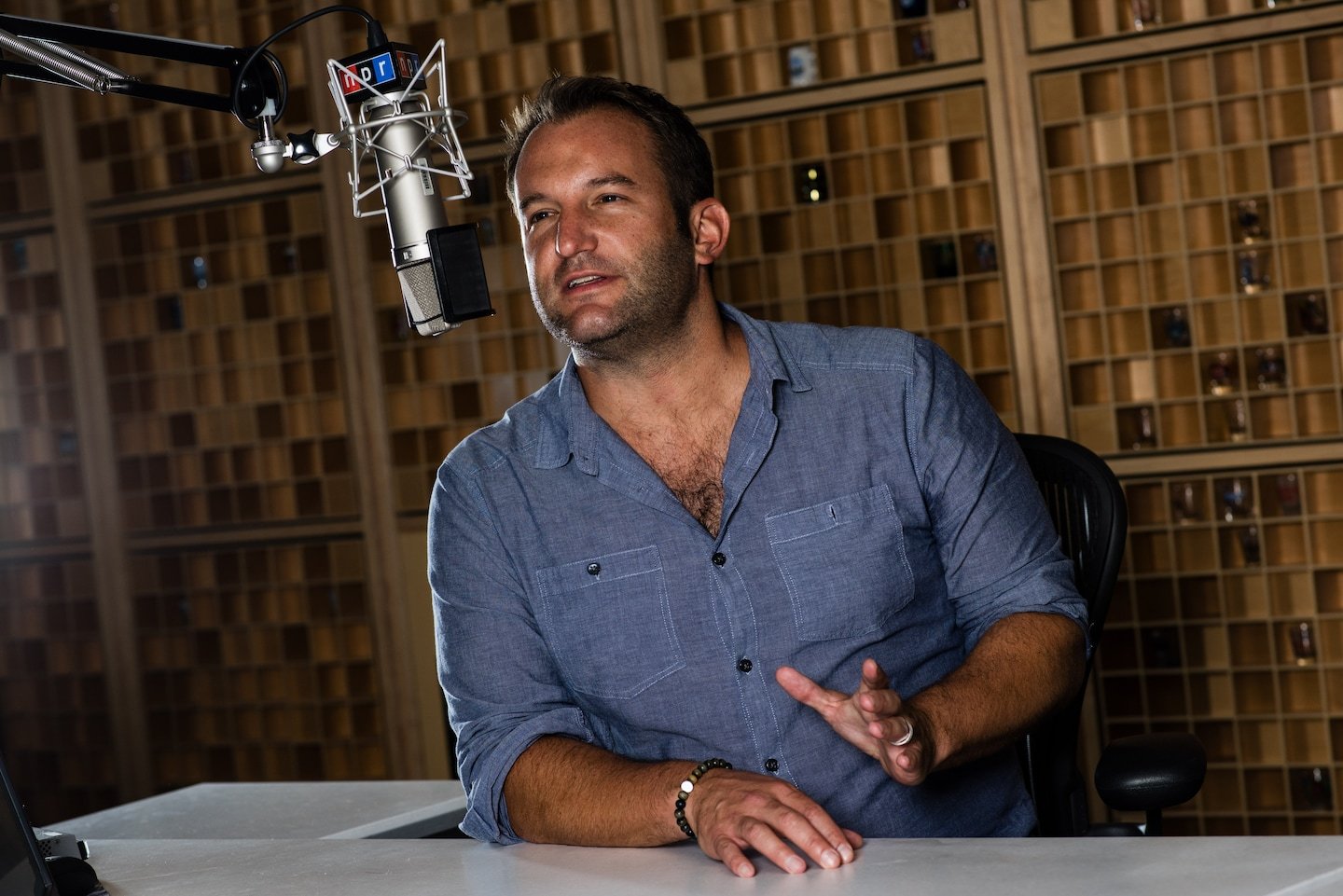
Former NPR host David Greene has filed a lawsuit against Google alleging that the company's AI-powered note-taking tool, NotebookLM, used a synthetic voice nearly identical to his without consent. According to court documents, Greene discovered the replication when testing the product and described the experience as "completely freaked out" upon hearing his vocal doppelgänger. Google responded that the voice in question was generated using a paid voice actor's recordings, denying any intentional imitation of Greene.
NotebookLM, launched in late 2025, uses Google's Gemini multimodal architecture to analyze documents and answer user queries through text or voice interactions. Its voice feature employs a combination of Prosody Transfer and Few-Shot Voice Adaptation—techniques that can mimic vocal characteristics like pitch, cadence, and timbre from minimal audio samples. While Google's developer documentation states voices are "sourced from licensed professional actors," it doesn't clarify how the system avoids replicating unintended vocal similarities.
Greene's legal team contends his distinctive baritone—honed over decades in radio—constitutes a protectable property right. They cite instances where NotebookLM's default male voice replicated Greene's signature pauses, inflection patterns, and even subtle breath sounds. Forensic audio analysts hired by the plaintiff reportedly measured a 93% acoustic similarity between Greene's NPR recordings and NotebookLM's output.
Technically, the case hinges on voice cloning's inherent limitations. Modern systems like Google's Lyria-V model—which powers NotebookLM's audio—can generate novel voices by blending learned vocal attributes. However, research shows such models often unintentionally reproduce elements of training data due to acoustic overfitting. Google's claim that the voice originated from an actor doesn't resolve whether the model synthesized Greene-like qualities through algorithmic convergence rather than direct copying.
The lawsuit arrives amid regulatory scrutiny of voice replication. California's AI Transparency Act (effective January 2026) requires disclosure of synthetic media, but lacks provisions for voice likeness. Federal right-of-publicity laws vary by state, with only 19 offering explicit voice protection. Greene's case could test whether existing statutes cover emergent similarity—where AI generates coincidental vocal resemblances without targeted training.
Practical implications extend beyond legalities. Podcasters, voice actors, and public speakers now face unregulated vocal doppelgängers. Unlike image generators, voice models lack robust provenance tracking; NotebookLM doesn't document which actor recordings trained specific voice profiles. Google's terms of service shift liability to users for generated content, creating accountability gaps when outputs resemble third parties.
Ethically, the incident reveals how synthetic voices blur lines between inspiration and appropriation. While Google asserts ethical sourcing, its system design permits uncanny resemblances without consent mechanisms. As vocal replication becomes trivial—requiring under 3 seconds of reference audio—this case underscores the urgent need for technical safeguards like vocal watermarking and opt-out registries.
NotebookLM remains available with voice features unchanged. The outcome could reshape AI development practices, forcing companies to implement vocal similarity screenings or license broader voice libraries. For now, Greene's suit highlights that even legally acquired training data can produce ethically fraught outputs when biometric uniqueness enters the equation.
Comments
Please log in or register to join the discussion