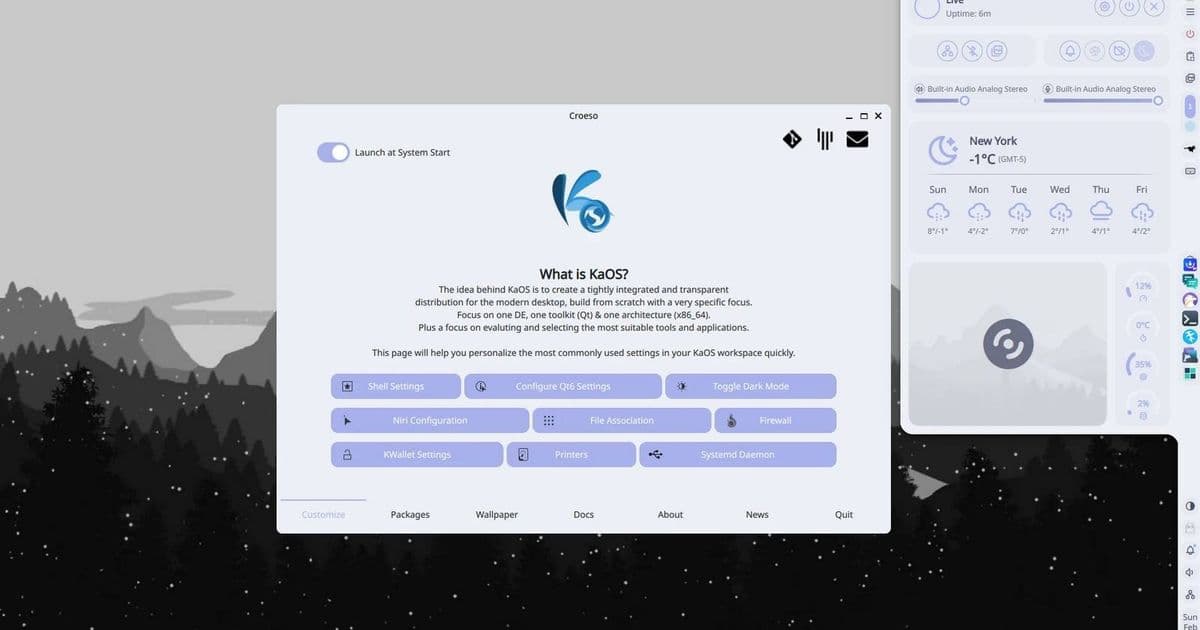
KaOS Linux has replaced KDE Plasma with Niri and Noctalia as its default desktop environment after 12 years, citing a move away from systemd as the primary reason. The distribution is testing Dinit as an alternative init system, but the current ISO still relies on systemd. Plasma remains available via repositories.
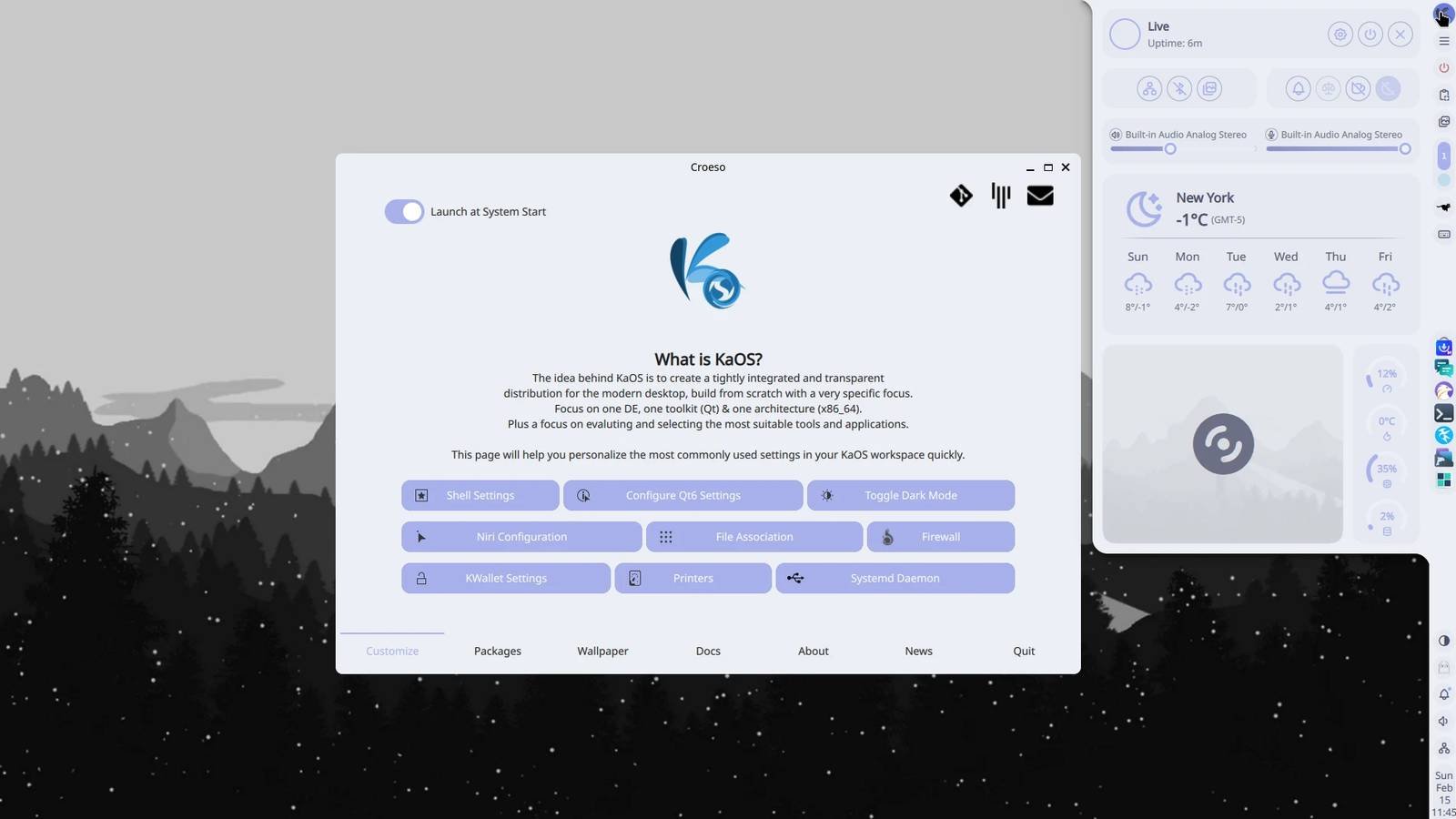
After 12 years of using KDE Plasma as its exclusive desktop environment, KaOS Linux has made a foundational shift by replacing it with the Niri and Noctalia desktop environments. The change, implemented in the newly released KaOS 2026.02 ISO, stems from the distribution's architectural pivot away from systemd dependency.
KDE Plasma's deep integration with systemd created an incompatibility with KaOS's new direction. As stated in the project's announcement, "Plasma pretty much demands Systemd, and will be fully mandatory soon." This dependency conflicts with KaOS's ongoing evaluation of Dinit as a potential systemd replacement. While the team continues testing Dinit migration, the current ISO still relies on systemd for core operations.
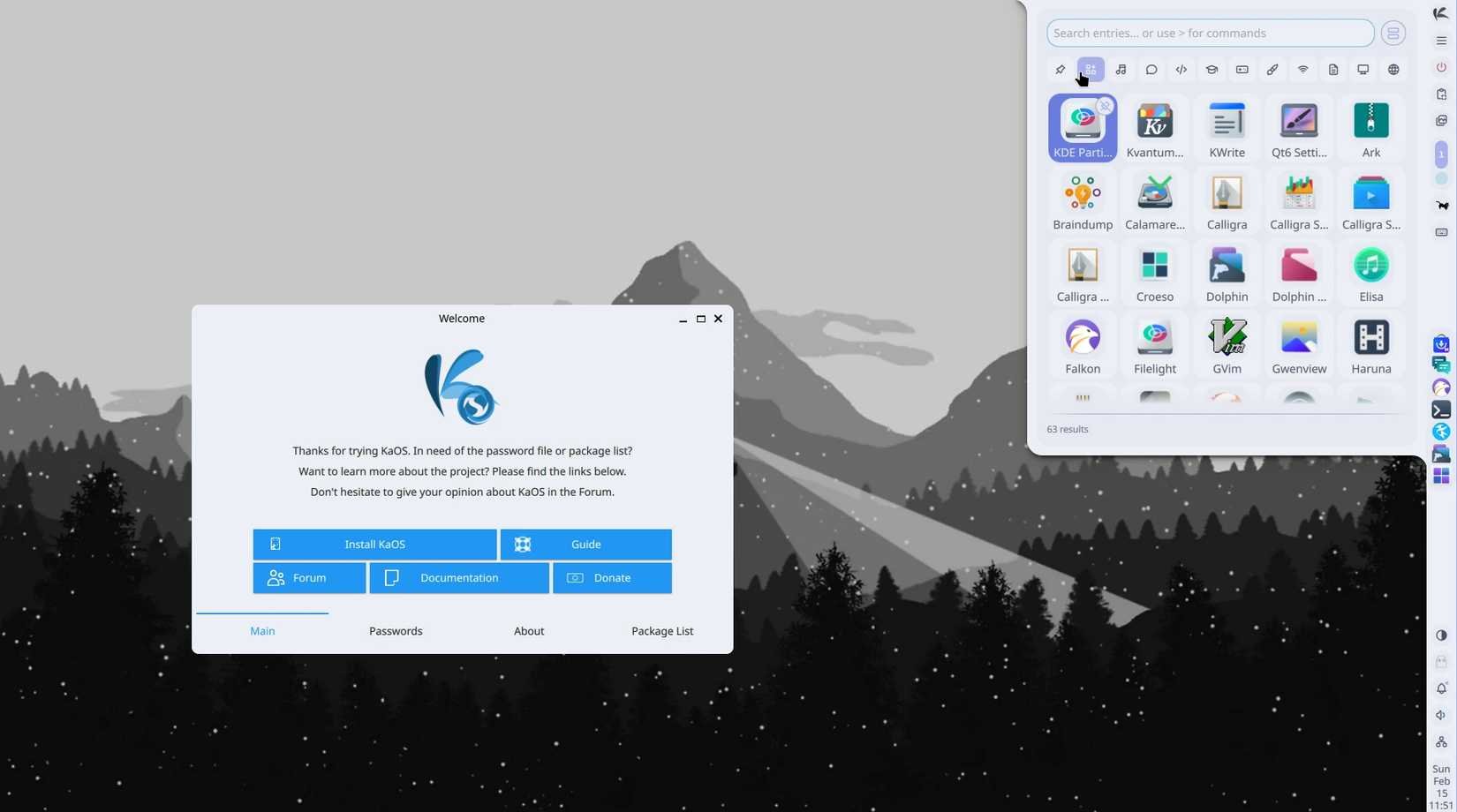
The new default stack includes Niri 25.11 (a Wayland compositor), Noctalia 4.4 (the desktop shell), and Quickshell 0.2.1 (application launcher). Users will also encounter Limine as the new bootloader, replacing previous solutions like GRUB. This combination represents a significant departure from KaOS's decade-long KDE-centric approach, requiring users to adapt to new workflows and system behaviors.
Technical considerations behind this shift:
- Init System Independence: KaOS aims to eliminate mandatory systemd requirements, allowing flexibility in init system choices
- Package Compatibility: Applications requiring KDE frameworks remain installable via repositories, though they'll pull in systemd dependencies
- Boot Process: Limine's modern UEFI implementation offers streamlined boot management compared to legacy loaders
- Wayland Transition: Niri's Wayland-native architecture future-proofs the display server configuration
While KDE Plasma remains available through KaOS repositories, it's no longer the default or pre-installed option. Users migrating to the new ISO will need to manually install Plasma packages if preferred, accepting the accompanying systemd dependencies. The KaOS team emphasizes this change aligns with their long-term vision of creating a systemd-optional distribution, with Dinit compatibility testing actively underway.
For developers and Linux enthusiasts, this move highlights the ongoing tensions between desktop environments and init systems. KaOS's decision demonstrates how deeply systemd integration affects distribution-level choices, forcing trade-offs between software compatibility and architectural purity. The transition also serves as a case study in managing user expectations during foundational technology shifts, particularly when abandoning a flagship feature after 12 years of consistent implementation.
Complete release details and migration notes are available in the KaOS 2026.02 announcement.
Comments
Please log in or register to join the discussion