
An exploration of the historical, physiological, and cultural forces that make covering ourselves while we sleep a near‑universal habit, even when the temperature seems too high for a sheet.
Why We Reach for a Blanket Even on Sweltering Nights
 Featured image
When the thermostat reads 90 °F and the humidity feels like a wall of water, most of us still feel an inexplicable urge to pull a sheet or a light blanket over our bodies. The sensation isn’t just a quirky habit; it is the product of centuries of material scarcity, the body’s temperature‑regulation circuitry, and learned cues from childhood.
1. From Luxury to Everyday Item
In ancient Egypt, linen sheets were reserved for the elite, and wool blankets were a sign of wealth in Roman households. The labor‑intensive process of spinning, weaving, and dyeing meant that a full set of bedding could consume a third of a family’s possessions. Historian Roger Ekirch notes that in early modern Europe a newly‑married couple often saved for years before they could afford a proper bed and its coverings.
 Depiction of a 15th‑century bed
Only with the rise of mechanized looms in the 18th and 19th centuries did woven fabrics become cheap enough for the emerging middle class. By the time electricity and central heating entered homes, blankets had shifted from a status symbol to a standard component of the sleep environment.
2. The Body’s Night‑time Thermostat
Core‑temperature drop
About an hour before we normally fall asleep, the hypothalamus initiates a gradual decline in core temperature. A cooler core triggers melatonin release, nudging the brain toward sleep. Experiments using “skinsuits” that shave a couple of degrees off skin temperature show measurable improvements in sleep latency.
REM and the loss of thermoregulation
During rapid‑eye‑movement (REM) sleep, the body’s ability to generate heat through shivering or to dissipate it via sweating is dramatically reduced. Dr. Alice Hoagland likens this state to a “reptilian” mode of thermoregulation: we become dependent on external temperature cues.
“You almost revert to a more, and this is my word, reptilian form of thermoregulation,” Hoagland says.
Even in tropical regions, nighttime air temperature can fall several degrees below daytime highs. Because we cannot shiver effectively during REM, a thin covering provides the external buffer that keeps us from drifting into a hypothermic dip that would otherwise disturb sleep cycles.
3. Neurochemical Comfort: Serotonin and Weighted Blankets
Beyond pure temperature control, blankets appear to influence brain chemistry. Several studies report that the gentle pressure of a weighted blanket (typically 5–30 lb) raises circulating serotonin levels, a neurotransmitter linked to mood stability and relaxation. Higher serotonin can smooth the transition into REM, where serotonin naturally dips.
The effect is not limited to weighted designs. Even a light cotton sheet can create a sense of gentle compression that the nervous system interprets as soothing, though the exact mechanisms remain under investigation.
4. Conditioning and the “Transitional Object”
From infancy, most cultures place a blanket or swaddle on a baby. This early exposure builds a Pavlovian association: the presence of a covering signals safety and the onset of sleep. Over time, the cue becomes entrenched, so that an adult who feels the sheet against their skin may experience a conditioned drop in arousal, independent of any thermal benefit.
Hoagland dismisses the popular notion that blankets mimic the womb’s enclosure, calling it “far‑fetched.” Instead, she emphasizes the learned, cultural layer that reinforces the physiological one.
5. Counter‑Perspectives
“I can sleep fine without a blanket.”
A minority of people—often those who grew up in hot, arid environments or who practice polyphasic sleep—report thriving without any covering. Anthropological surveys (Worthman & Melby, 2002) found that nomadic foragers in equatorial zones sometimes forgo blankets altogether, relying on airflow and the night‑time temperature drop.
“Blankets are just soft, pleasant fabric.”
The aesthetic pleasure of a soft textile is rarely quantified, yet it may play a non‑trivial role. Comfort research in ergonomics suggests that tactile satisfaction can reduce cortisol, the stress hormone, thereby indirectly supporting sleep. The field lacks large‑scale trials, leaving this hypothesis open.
6. Practical Takeaways
- If you’re hot at bedtime, keep a light sheet handy. It will become useful during the early morning hours when REM‑induced thermoregulation falters.
- Consider a weighted blanket if you struggle with anxiety or low serotonin. Even a modest 5‑lb version can provide enough pressure to trigger the calming response.
- Observe your cultural habits. If you never grew up with blankets, experiment with sleeping uncovered on a well‑ventilated night to see whether the physiological need truly exists for you.
7. Closing Thought
The blanket’s persistence across millennia reflects a convergence of material history, the body’s night‑time temperature dance, and the subtle power of early‑life conditioning. Whether you cling to a feather‑light sheet on a scorching summer night or a heavyweight quilt in winter, the act of covering yourself is a small ritual that satisfies both the brain and the body.
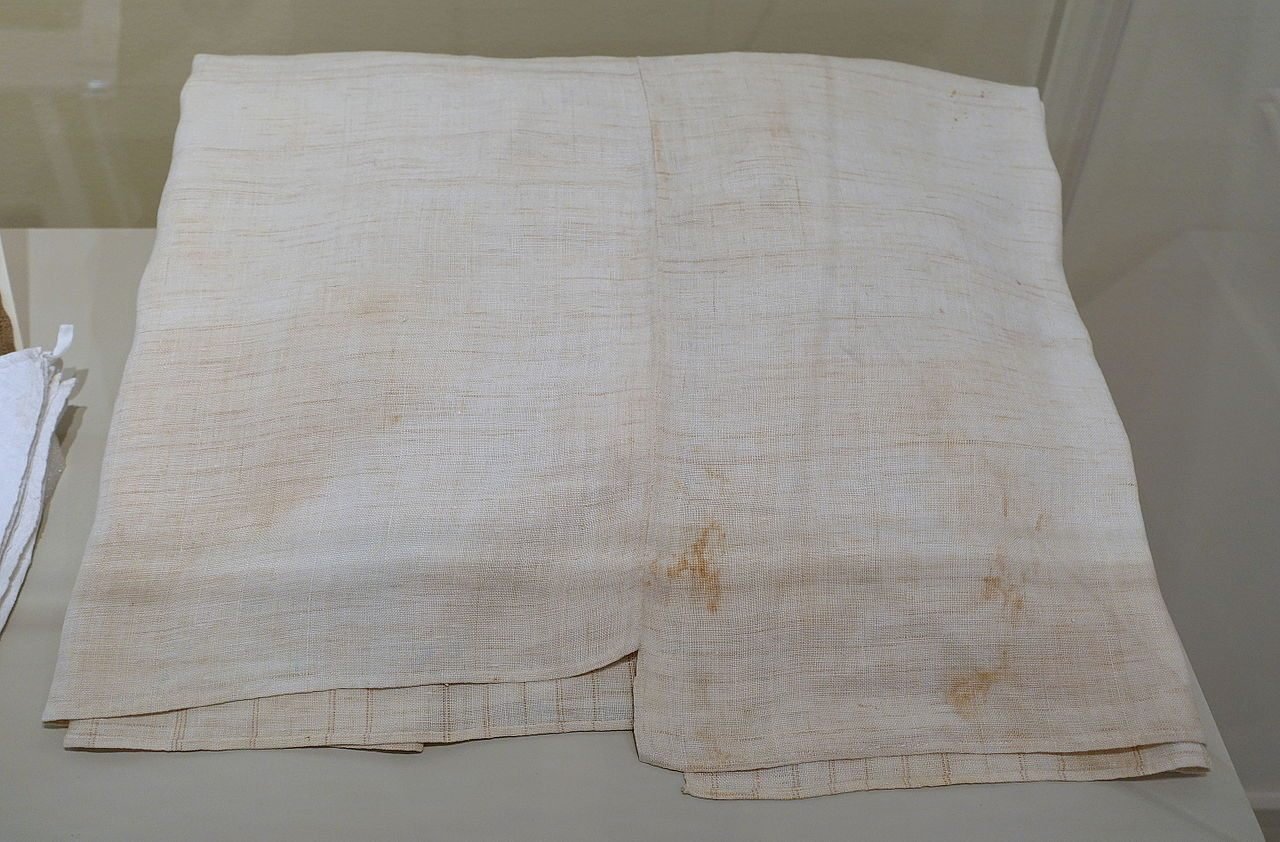 Linen sheet from the early 1800s, a reminder that even the simplest coverings have long been part of human sleep.
Comments
Please log in or register to join the discussion