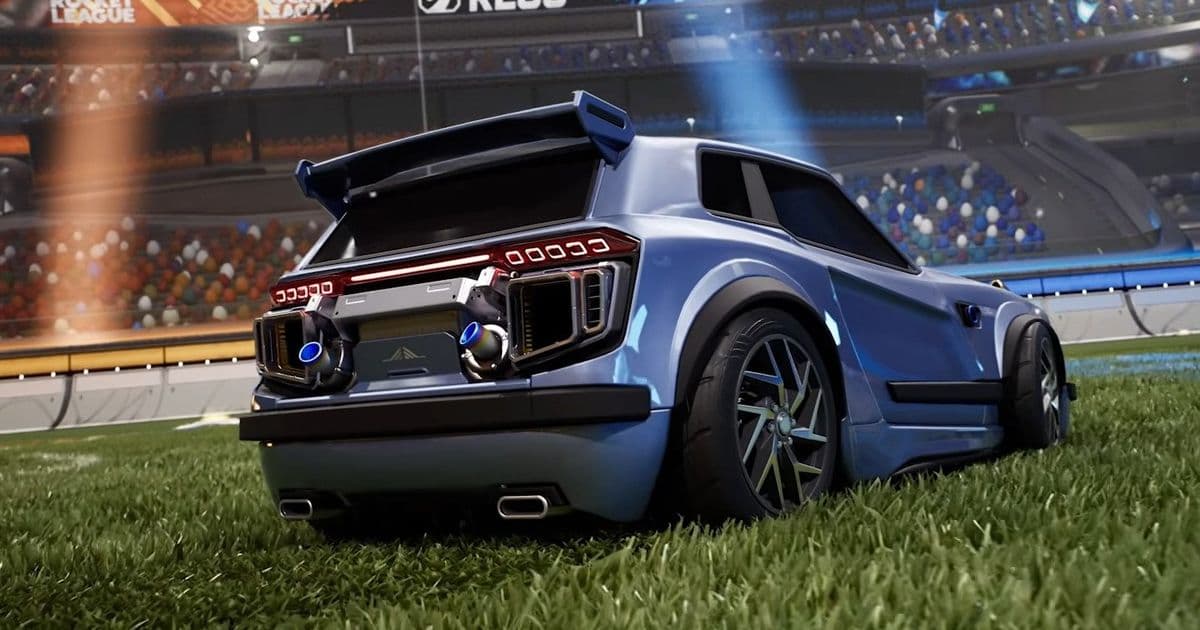
Epic Games' Unreal Engine 6 makes its first public appearance through a Rocket League reveal, promising improved multi-threading support and visual fidelity that could address performance criticisms of its predecessor.
What's New: Unreal Engine 6's First Public Showcase
At the Rocket League Championship Series 2026 Paris Major, Psyonix and Epic Games dropped a surprise teaser revealing that Rocket League will receive an Unreal Engine 6-powered overhaul. The brief trailer marks the first public glimpse of Unreal Engine 6's capabilities, showcasing high-end ray tracing and visual fidelity through in-engine footage of a Rocket League vehicle performing its signature stadium leap.
The teaser cycles through various vehicle presets in the Garage, displaying an impressive array of paints, finishes, and rim options before transitioning to the new Unreal Engine 6 logo. While details remain scarce at this stage, the visual quality on display suggests Epic Games has been working on refining rendering technologies beyond what was possible in Unreal Engine 5.
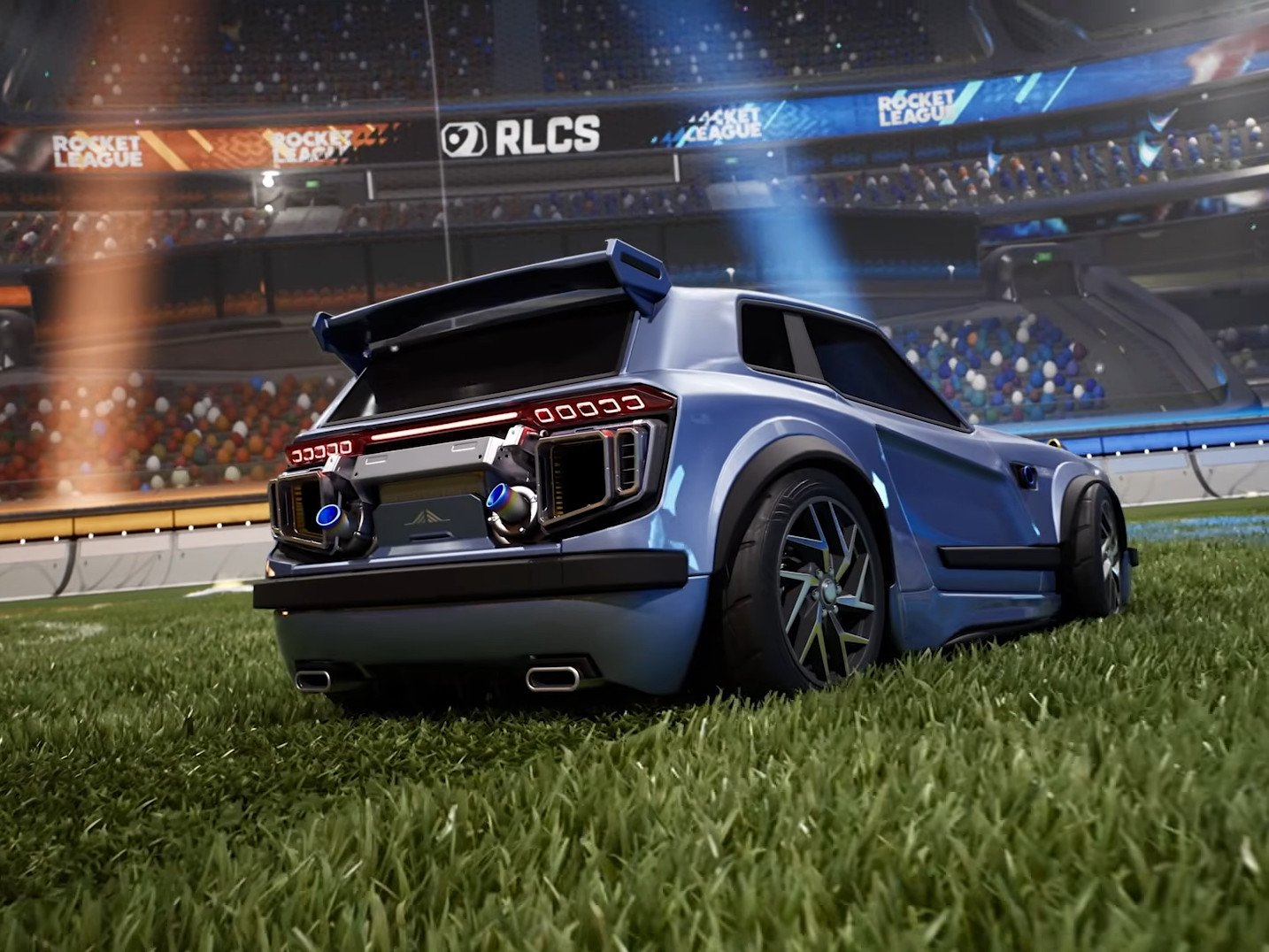 Featured image showing the Unreal Engine 6 reveal trailer from Rocket League Championship Series
How It Compares: Unreal Engine 6 vs. Unreal Engine 5
The most significant technical upgrade coming with Unreal Engine 6 is its embrace of multi-threading, a departure from previous versions that relied heavily on single-core calculations. This architectural change addresses one of the most persistent criticisms of Unreal Engine 5, which has been plagued by performance issues in many implementations.
Real-time ray tracing, a feature prominently showcased in the Rocket League UE6 trailer, places substantial demands on both CPU and GPU resources. Proper multi-threading support in UE6 should theoretically distribute these computational loads more efficiently, enabling similar visual quality to UE5 but with better performance, particularly in CPU-bound scenarios.
Unreal Engine 6 will also introduce the Verse programming language, currently only available within the Unreal Editor for Fortnite. This addition could significantly lower the barrier to entry for indie developers, making Unreal Engine projects more accessible than they are with current Unreal Engine versions.
However, the elephant in the room remains Unreal Engine 5's performance reputation. Several high-profile titles, including ARC Raiders, have had to forego key UE5 features like Nanite just to avoid performance criticisms. Whether Unreal Engine 6's new features will meaningfully improve performance while maintaining or enhancing visual fidelity remains to be seen.
Who It's For: Developers and Gamers Alike
For game developers, Unreal Engine 6 presents both opportunities and challenges. The improved multi-threading support could enable more complex simulations and larger game worlds without the performance bottlenecks that plagued UE5. The Verse programming language may streamline development workflows, particularly for smaller studios or solo developers.
For gamers, the Rocket League UE6 overhaul suggests a visual upgrade that could breathe new life into the popular vehicular soccer title. If the performance improvements materialize as promised, we might see smoother frame rates and more consistent experiences in UE6-powered titles.
The timing of this reveal is particularly interesting, coming as the gaming industry continues to push the boundaries of real-time rendering. With the increasing power of next-generation consoles and high-end PC hardware, Unreal Engine 6 arrives at a moment when developers are seeking ways to leverage this additional processing power without sacrificing performance.
Looking Ahead: What Unreal Engine 6 Means for the Future
While the Rocket League reveal provides only a brief glimpse of Unreal Engine 6's capabilities, it suggests that Epic Games is addressing the shortcomings of its predecessor. The engine's ubiquity in the gaming industry means that once fully released, UE6 will likely become the standard for new AAA titles.
One question that remains unanswered is how Unreal Engine 6 will handle the increasingly complex demands of modern game development. As games become more detailed with larger worlds, more sophisticated physics, and more complex AI, the efficiency of the rendering engine becomes paramount.
For now, the Rocket League UE6 overhaul serves as both a technical showcase and a promise of what's to come. If Epic Games can deliver on the performance improvements suggested by the multi-threading support and maintain the visual quality on display in the teaser, Unreal Engine 6 could mark a return to the industry-changing impact of Unreal Engine 3 and 4, rather than continuing the performance criticisms that have plagued Unreal Engine 5.
As we await more details about Unreal Engine 6's full feature set and release timeline, the Rocket League Championship Series reveal gives us reason to be cautiously optimistic about the future of real-time game rendering.
Sources:
Comments
Please log in or register to join the discussion