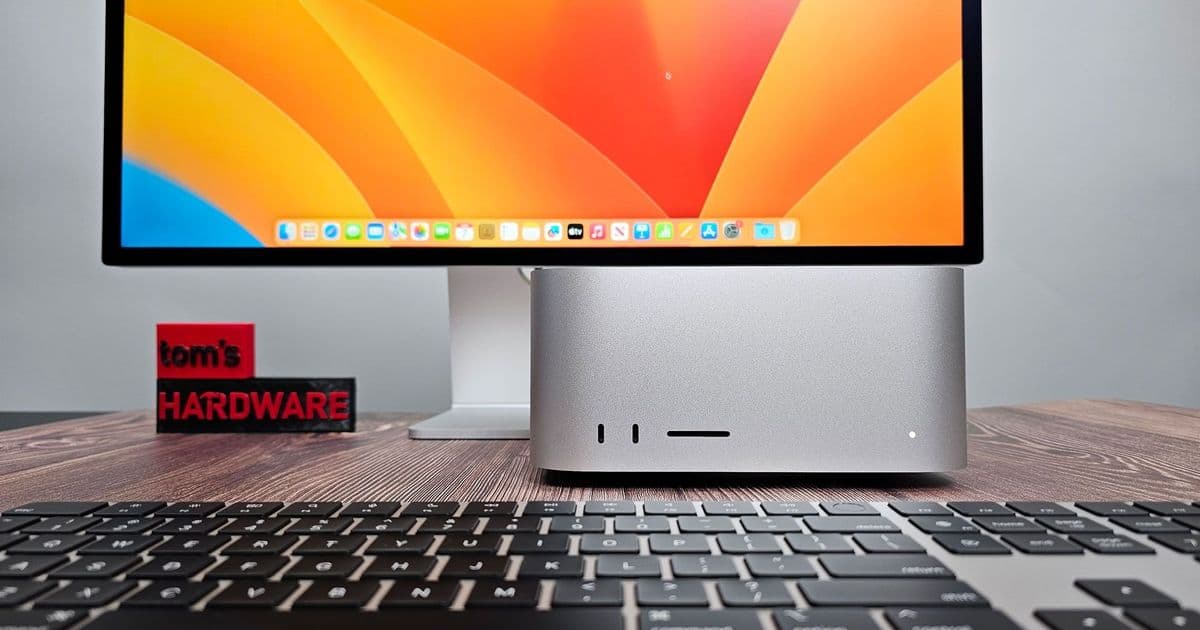
Apple's Mac Studio and other high-memory Mac models face delivery delays of up to six weeks as OpenClaw AI agent popularity drives unprecedented demand for Unified Memory configurations.
Apple's Mac lineup is experiencing significant supply constraints, with delivery times for high-memory configurations stretching from days to weeks as demand surges for locally-run AI agents like OpenClaw. The shortage particularly affects models with upgraded Unified Memory, creating a stark contrast between readily available base configurations and weeks-long waits for premium memory options.
Memory Upgrade Delays Create Supply Chain Bottleneck
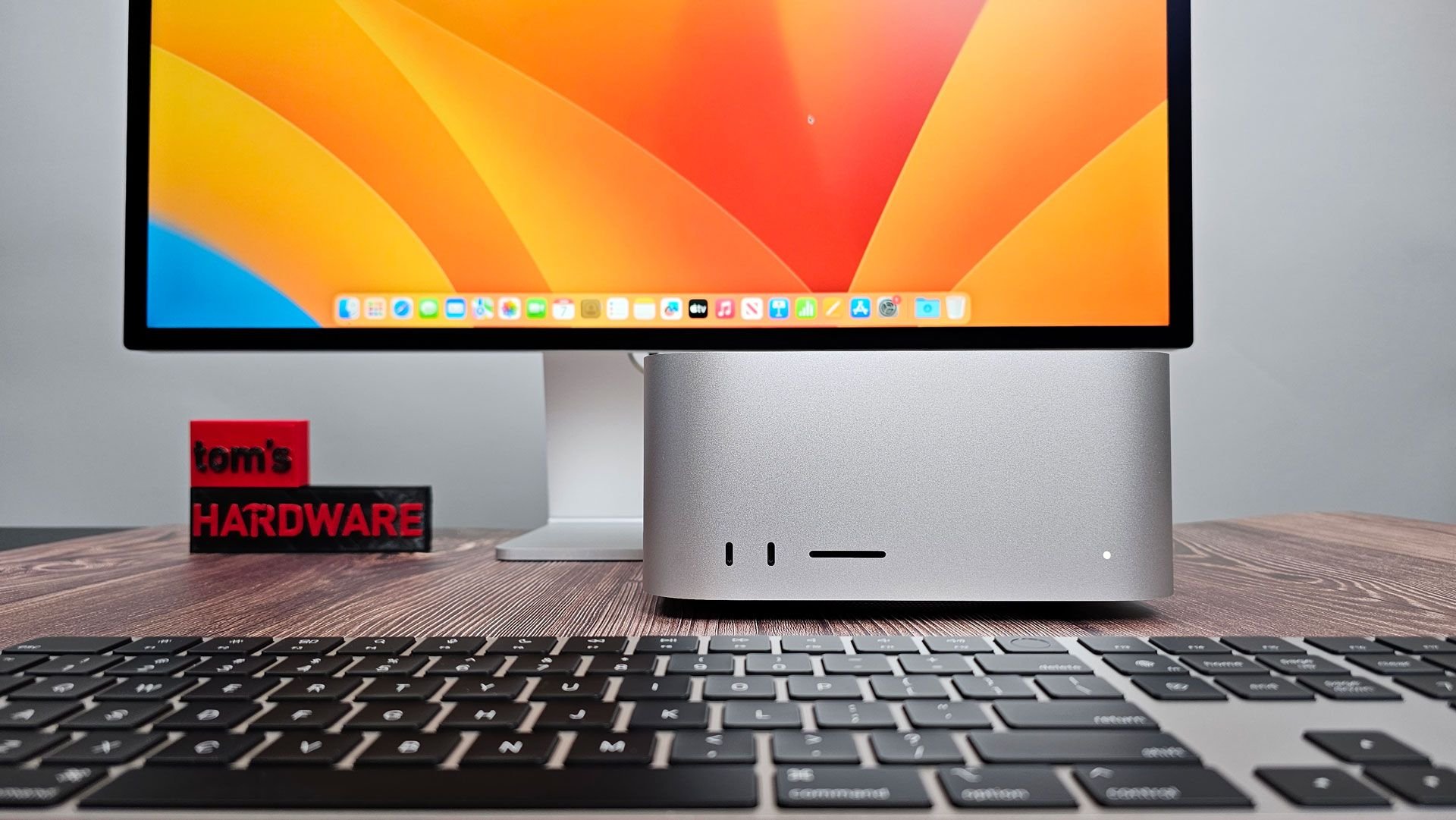
While base model MacBook Air, iMac, and M4 Mac mini units remain available for same-day delivery, upgrading memory configurations has introduced substantial delays across Apple's product lineup. The impact scales dramatically with memory capacity, with M3 Ultra Mac Studio units featuring 512GB of Unified Memory now facing delivery windows of five to six weeks.
This supply constraint extends beyond Apple's flagship workstation. Even mid-range models like Mac minis and MacBook Pros with memory upgrades are experiencing two to three week delays, indicating a broad-based demand shift toward higher memory configurations.
OpenClaw AI Agent Drives Unprecedented Memory Demand
The shortage appears closely tied to the explosive growth of OpenClaw, described by industry observers as "the world's first true AI agent." This open-source AI agent has created a surge in demand for Macs capable of running large language models locally, with users specifically seeking configurations that can handle massive memory requirements.
Alex Finn, founder and CEO of Creator Buddy, documented the rapid shift in availability, noting that Mac Studio delivery times increased from 14 days to 54 days within a month. "The world has changed more in the last month than in the previous 100 years combined," Finn observed in a February 13, 2026 post.
Technical Requirements Fuel Memory Configuration Rush
The memory demands of running sophisticated AI agents locally are substantial. AI investor Ben Pouladian estimates that a 70-billion parameter model in FP16 format requires approximately 140GB of memory just for weights. This exceeds the capacity of high-end consumer graphics cards like the RTX 5090 with 32GB of VRAM.
Even multi-GPU setups face limitations. While connecting five RTX 5090 cards would provide 160GB total memory, users remain constrained by PCIe bottlenecks that limit data transfer speeds between components. This technical limitation has made Apple's Unified Memory architecture particularly attractive for AI workloads.
Unified Memory Architecture Gains Competitive Advantage
Apple's approach to memory architecture offers distinct advantages for AI workloads. The Unified Memory system allows CPU, GPU, and Neural Processing Unit (NPU) to share the same memory pool, eliminating the need for data transfers across PCIe lanes or specialized interconnects like NVLink.
"The world is just catching up on what we've been doing since 2024," noted Eternal AI, a company that has operated Mac Studio clusters for the past two years. The company emphasizes that these Mac clusters are "perfect for long-running agentic tasks and local private LLMs."
Supply Chain Pressure Mounts on Memory Manufacturers
Apple CEO Tim Cook has acknowledged that the company is actively pursuing additional memory supply to meet customer demand. However, the surge in consumer demand for AI-capable machines adds pressure to an already strained memory market.
The current memory shortage is primarily driven by AI hyperscalers and institutional buyers, but increased consumer demand for high-memory Mac configurations threatens to exacerbate the situation. This creates a challenging environment for both Apple and memory manufacturers as they attempt to balance enterprise and consumer needs.
Market Implications and Future Outlook
The current shortage reflects a broader shift in computing requirements as AI capabilities move from cloud-based services to local execution. This transition demands hardware configurations that can handle substantial memory loads while maintaining performance for real-time AI agent operations.
For consumers and businesses seeking to deploy local AI solutions, the current supply constraints may persist until memory production capacity expands or demand stabilizes. The situation underscores the growing importance of memory capacity in modern computing workloads, particularly as AI agents become more sophisticated and widely adopted.
The convergence of OpenClaw's popularity with Apple's Unified Memory architecture has created a perfect storm of demand that's reshaping the Mac supply chain. As more users discover the benefits of running AI agents locally rather than relying on cloud services, the appetite for high-memory Mac configurations is likely to remain strong, potentially influencing future product development and supply chain strategies across the industry.
Comments
Please log in or register to join the discussion