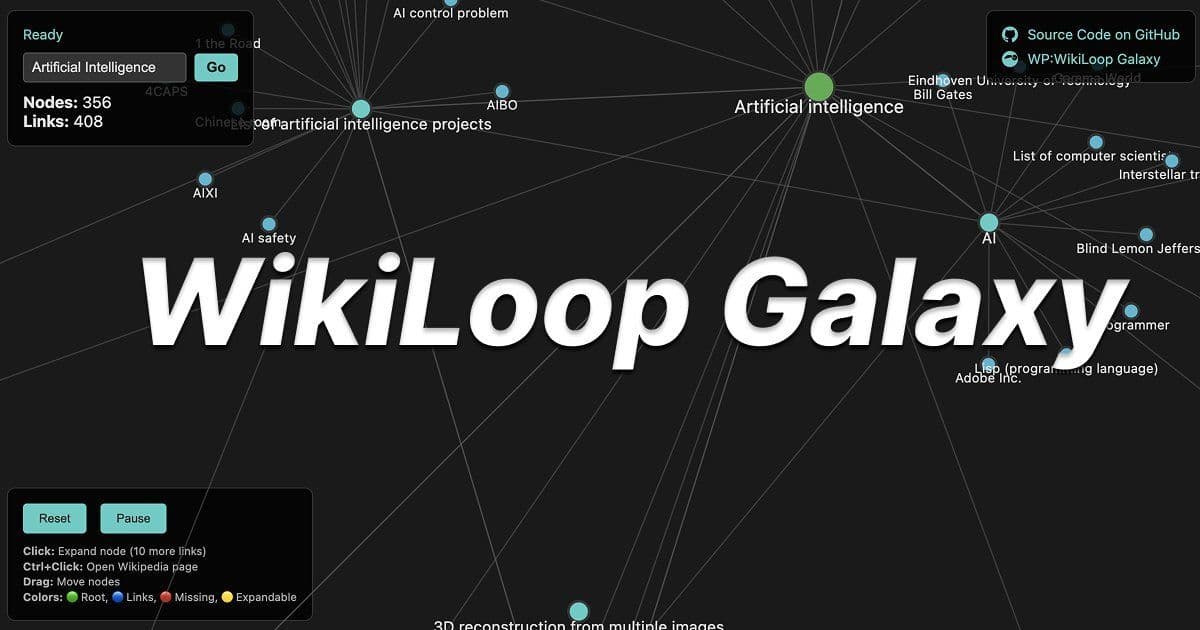

Galaxy WikiLoop emerges as an innovative open-source platform leveraging MediaWiki to create collaborative knowledge graphs. This toolset enables communities to build interconnected semantic networks, integrating structured data with traditional wiki content through advanced technical architecture.
The Semantic Web Revolution Gets a Collaborative Boost
Galaxy WikiLoop represents a significant evolution in knowledge management systems by combining the collaborative power of MediaWiki with semantic web technologies. Built on the robust MediaWiki platform that powers Wikipedia, this open-source solution introduces graph database capabilities and structured data integration to traditional wiki environments. Developers can now create knowledge networks where information nodes are programmatically linked using semantic relationships defined through custom ontologies.
Technical Architecture Deep Dive
The platform's architecture features several innovative components:
- Semantic MediaWiki Integration: Extends MediaWiki with machine-readable annotations using RDF/OWL standards
- Graph Visualization Engine: Built with JavaScript libraries like D3.js for interactive knowledge graph exploration
- RESTful API Endpoints: Enable programmatic content creation and querying using SPARQL
- Conflict Resolution System: Implements Operational Transformation algorithms for real-time collaborative editing
- Version Control Backend: Git-based revision history for tracking ontology evolution
# Example SPARQL query for Galaxy WikiLoop
SELECT ?subject ?relation ?object
WHERE {
  ?subject <http://galaxy.wikiloop.org/ontology#discoveredBy> ?object .
  ?subject rdf:type <http://galaxy.wikiloop.org/ontology#CelestialBody> .
}
"Galaxy WikiLoop transforms wikis from document repositories into living knowledge graphs," explains Dr. Elena Torres, semantic web researcher at MIT. "Its real power lies in making complex data relationships explorable and editable by non-technical users through intuitive visual interfaces."
Developer Implications and Use Cases
The platform opens new possibilities for:
- Scientific Collaboration: Research teams can model complex relationships in domains like astronomy or bioinformatics
- Enterprise Knowledge Graphs: Companies can build internal wikis with automated relationship inference
- Educational Platforms: Creating interactive learning pathways through connected knowledge nodes
- AI Training Data: Generating structured datasets for machine learning applications
Future development plans include machine learning integration for relationship suggestion and automated knowledge gap identification. The platform's Apache 2.0 license ensures broad accessibility for both academic and commercial applications.
Source: Galaxy WikiLoop Project
Comments
Please log in or register to join the discussion