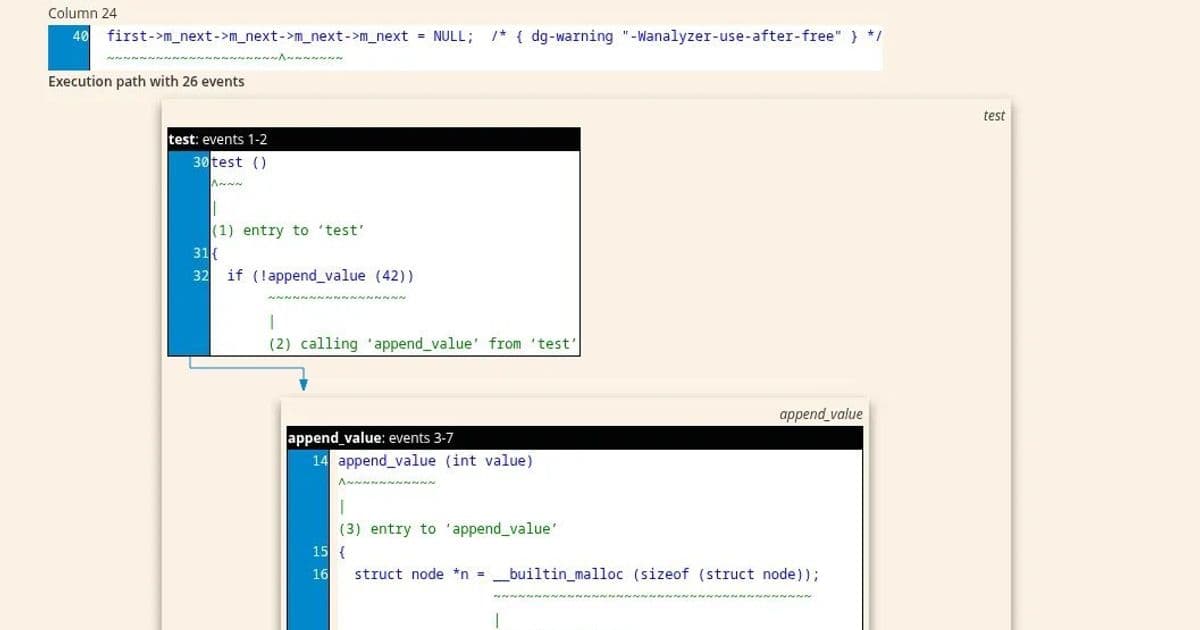
The GCC 16 compiler will introduce HTML-based diagnostics for clearer error visualization alongside major C++ static analysis improvements and SARIF integration. These advancements, led by Red Hat's David Malcolm, aim to transform debugging workflows for developers. The updates signal a significant leap in making compiler feedback more actionable and accessible.
GCC 16 Elevates Developer Experience with Smarter Diagnostics
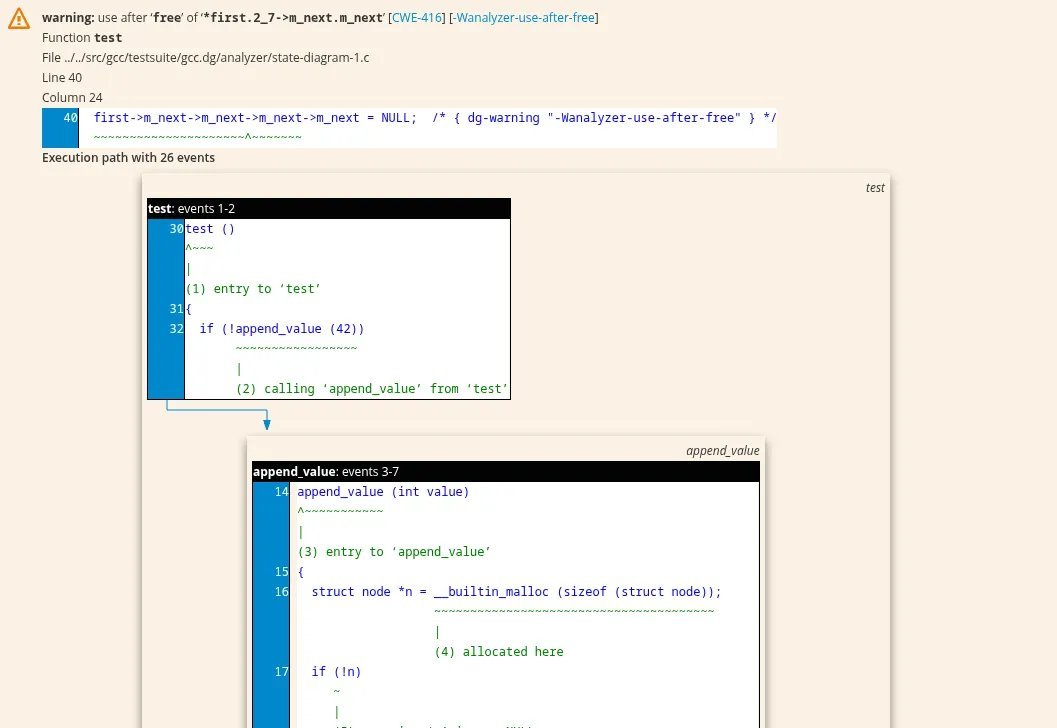 GCC 16's new HTML diagnostic output visualizes code issues with enhanced clarity (Source: David Malcolm/Phoronix)
At the GNU Tools Cauldron 2025 conference, Red Hat's David Malcolm unveiled transformative diagnostics enhancements coming in GCC 16, targeting one of developers' most persistent pain points: deciphering compiler errors. The headline feature—experimental HTML diagnostics output—promises to replace cryptic terminal messages with visually rich, navigable reports. Enabled via the -fdiagnostics-add-output=experimental-html flag, this generates interactive HTML pages that map warnings and errors directly to code segments, dramatically improving issue triage.
Key Advancements
- HTML Diagnostics: The new output format provides color-coded syntax highlighting, expandable code contexts, and linked source navigation. Early examples show collapsed/expanded error groups and precise code pinpointing—particularly valuable for large codebases.
- SARIF Standardization: GCC 16 replaces its legacy JSON output with SARIF (Static Analysis Results Interchange Format), enabling seamless integration with modern security scanners and CI/CD pipelines.
- Supercharged Static Analysis: The
-fanalyzernow offers deeper C++ support, detecting complex memory leaks, race conditions, and API misuse with reduced false positives. - IDE Integration Prototype: An experimental JSON-RPC layer is in development for real-time diagnostics in editors—though not yet merged for GCC 16.
Why This Matters
Compiler diagnostics have long been a bottleneck in developer productivity. GCC's shift toward visual, standardized outputs reflects a broader industry move to treat errors as actionable data rather than terminal noise. The HTML format could democratize debugging for less experienced developers while accelerating root-cause analysis for veterans. Meanwhile, SARIF adoption positions GCC to play nicely with DevSecOps toolchains—critical as supply chain security concerns grow.
Malcolm emphasized these features are part of GCC's ongoing "diagnostics revolution," building on years of incremental improvements. As compilers evolve from translation tools to active code-quality partners, GCC 16's innovations hint at a future where debugging cycles shorten from hours to minutes—and where compiler output becomes a canvas for collaboration rather than frustration.
Source: Phoronix
Comments
Please log in or register to join the discussion