
Escalating military threats against Taiwan could trigger catastrophic disruption to semiconductor manufacturing, requiring immediate contingency planning and supply chain diversification for tech-dependent businesses.
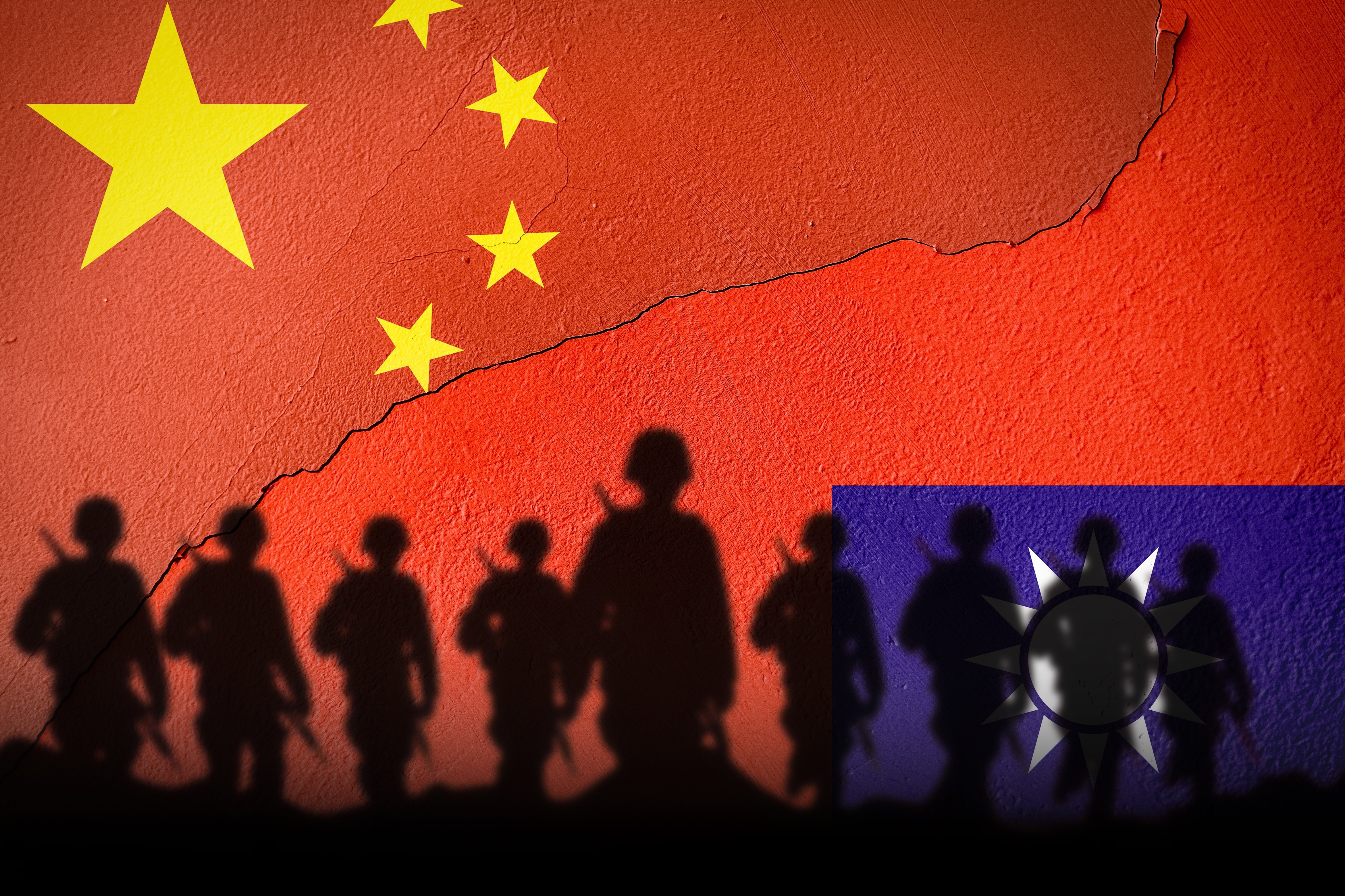
The escalating geopolitical standoff between China and Taiwan presents an unprecedented threat to global technology supply chains, with Taiwan Semiconductor Manufacturing Company (TSMC) positioned at the epicenter of potential disruption. Recent military exercises by China near Taiwan, combined with shifting international alliances, create conditions where semiconductor production facilities could become collateral damage in armed conflict. This scenario necessitates urgent compliance planning for technology-dependent organizations worldwide.
Should military action occur, TSMC's advanced fabrication facilities would likely face immediate destruction. These plants currently produce over 90% of the world's most advanced semiconductors below 7nm process nodes. Industry analysis indicates reconstruction would require 7-10 years under optimal conditions, factoring in:
- Complete loss of specialized cleanroom infrastructure
- Disruption of ultra-pure chemical supply chains
- Scarcity of extreme ultraviolet (EUV) lithography equipment
- Depletion of engineering expertise
Regulatory bodies including the Bureau of Industry and Security (BIS) now mandate enhanced supply chain disclosures under Export Administration Regulations (EAR) 15 CFR 730-774. Compliance requirements include:
| Requirement | Deadline | Documentation |
|---|---|---|
| Critical Component Inventory Reporting | Q3 2026 | Form BIS-711 |
| Dual-Use Technology Vulnerability Assessment | Q1 2027 | ITAR Supplement B |
| Geopolitical Risk Mitigation Plans | Q4 2026 | SEC Form 10-K Section 1B |
| Alternative Sourcing Verification | Quarterly | DFARS 252.225-7008 |
Organizations must immediately implement three-phase contingency protocols:
Immediate (0-6 months): Stockpile mission-critical components certified under Defense Priorities and Allocations System (DPAS) regulations. Document all acquisitions per Federal Acquisition Regulation (FAR) 52.217-2.
Intermediate (6-18 months): Establish verified secondary sourcing through non-Taiwanese suppliers like Intel Foundry Services or Samsung Foundry, ensuring compliance with Origin Rules under USMCA Article 4.3.
Long-term (18+ months): Participate in National Semiconductor Technology Center (NSTC) initiatives under the CHIPS Act Section 9906, which provides tax incentives for domestic manufacturing investment.
The economic ramifications of supply disruption would dwarf previous shortages. The 2021 chip crisis caused $200 billion in automotive industry losses alone, while comprehensive TSMC destruction could trigger $5-15 trillion in global economic damage. Regulatory filings now require explicit disclosure of Taiwan dependency risk under SEC Rule 10b-5.
Compliance officers should immediately audit supply chains using the NIST SP 800-161 framework, prioritizing components with single-source Taiwanese origins. Documentation of mitigation efforts proves critical for liability protection under Uniform Commercial Code § 2-615 regarding commercial impracticability.
While the "Silicon Shield" theory suggests TSMC's strategic value deters aggression, recent $52 billion in CHIPS Act subsidies for US fabs paradoxically reduces this protective effect. All technology-dependent enterprises must treat semiconductor supply chain resilience as a compliance imperative rather than optional contingency planning.
Comments
Please log in or register to join the discussion