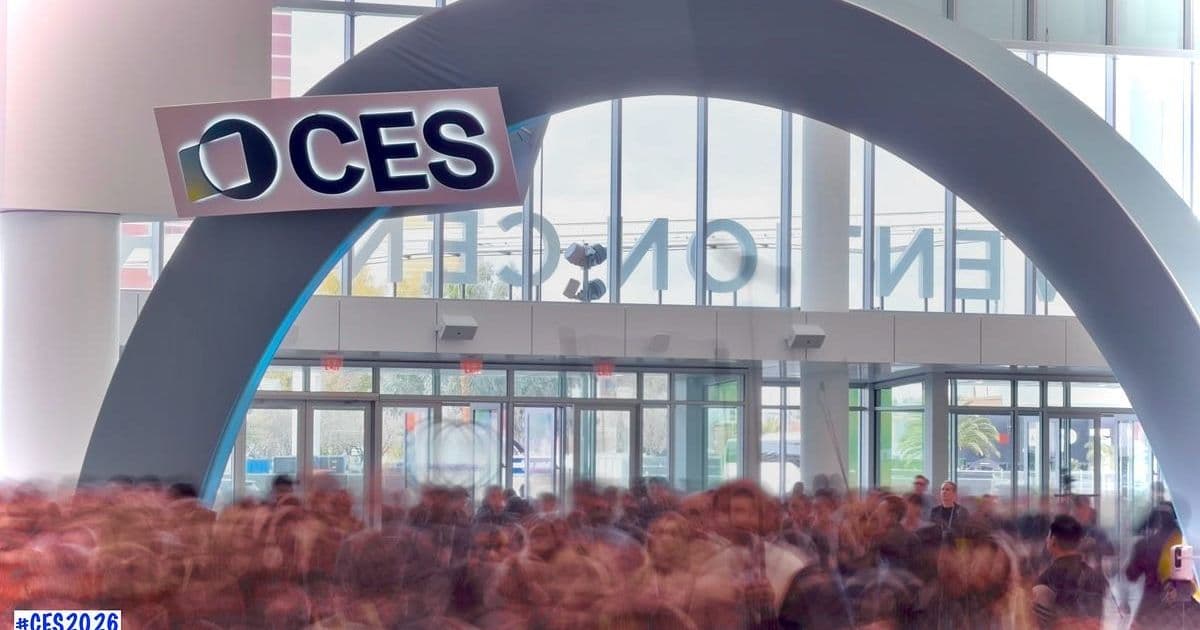
At CES 2026, AI integration and robotic products showed evolutionary progress rather than revolution, with Nvidia's technology underpinning many demonstrations. Country pavilions expanded significantly, reflecting geopolitical tech ambitions.
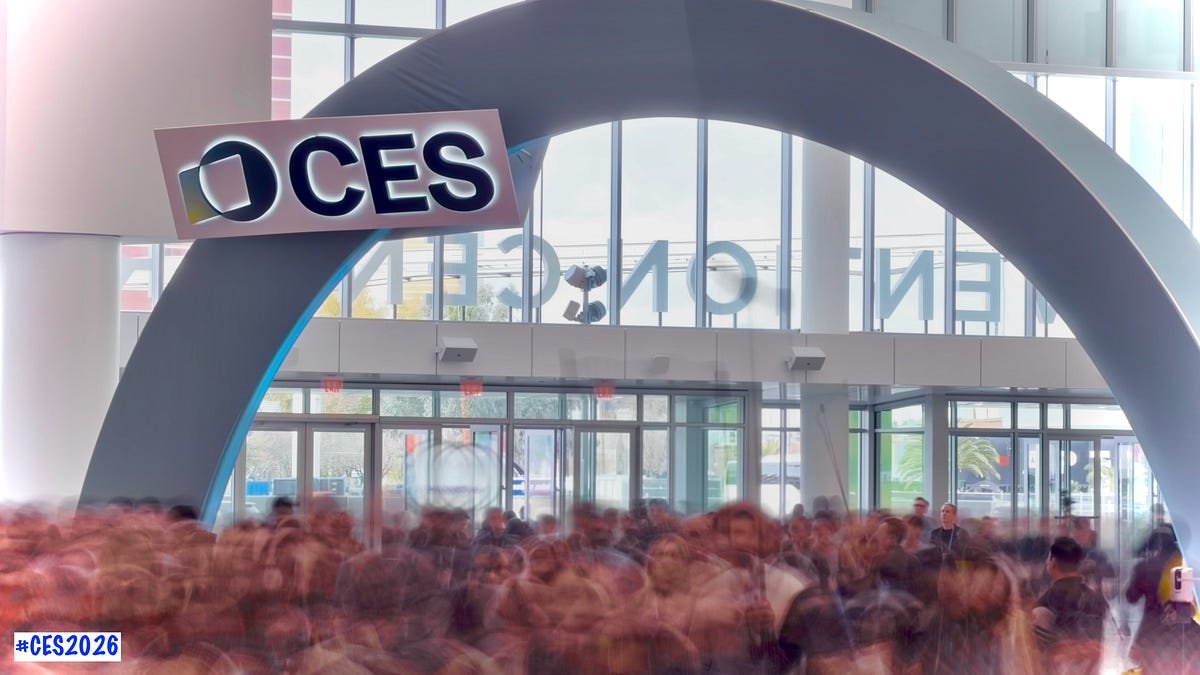
The Consumer Electronics Show in 2026 demonstrated incremental progress in AI integration and robotics, though many products remain experimental prototypes rather than market-ready solutions. Nvidia's hardware and software platforms served as foundational infrastructure for numerous exhibits, from autonomous drones to AI-powered retail systems. Steven Sinofsky's comprehensive CES analysis notes that while flashy demonstrations drew crowds, most robotic implementations are "still finding their way" toward practical utility.
Country-level pavilions expanded significantly, with South Korea's Naver actively promoting its Nvidia-based AI cloud services as a geopolitical alternative to U.S. and Chinese offerings. This aligns with broader industry acknowledgment that China's AI capabilities remain constrained by U.S. chip export restrictions, despite CXMT pursuing a massive $4.2B IPO to compete in memory chip production.
Practical implementations faced notable limitations:
- Consumer Robotics: Lenovo's motorized laptop with conversational AI and Sharp's ChatGPT-powered Poketomo device emphasized "cute" interactions but demonstrated constrained functionality in real-world scenarios
- Drone Technology: Paris-based Harmattan AI secured $200M Series B funding for autonomous drones, yet actual deployment scales remain limited compared to Walmart's expansion of Alphabet's Wing delivery service to 270+ stores
- Healthcare Applications: Anthropic's new HIPAA-compliant Claude for Healthcare tools show promise for medical applications, but Google's problematic AI Overviews for medical queries underscore persistent accuracy challenges
Behind the scenes, Google's Universal Commerce Protocol (UCP) aims to standardize AI agent-based shopping across platforms. However, its effectiveness depends on widespread industry adoption that may take years to materialize. Meanwhile, Meta's compliance with Australia's under-16 social media ban—deleting 500K+ accounts—highlights growing regulatory friction for AI-driven platforms.
Quantum computing announcements generated investor excitement but faced skepticism regarding practical applications beyond specialized use cases. As Sinofsky observed, CES 2026 ultimately revealed an industry in transition: AI capabilities are deepening through platforms like Nvidia's, but seamless integration into consumer products remains a work in progress with measurable gaps between prototype demonstrations and reliable real-world performance.
Comments
Please log in or register to join the discussion