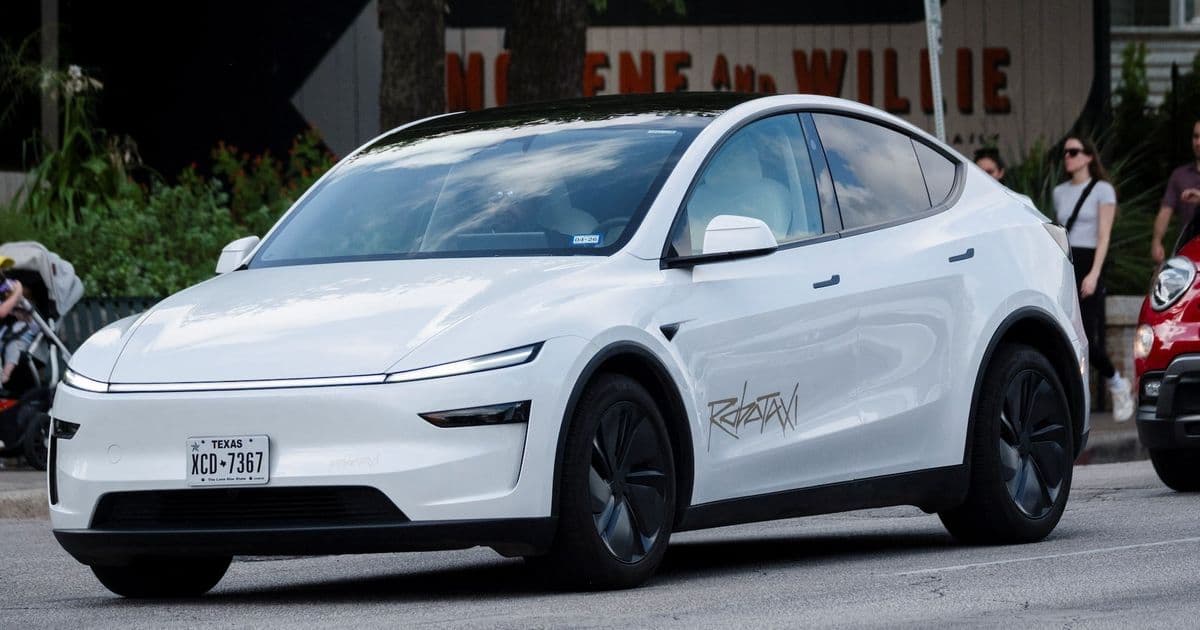
California DMV records reveal Tesla hasn't logged any autonomous test miles since 2019, contradicting Elon Musk's repeated claims of an imminent robotaxi launch in the state.
For more than a year, Elon Musk has repeatedly claimed that Tesla is months away from launching a driverless robotaxi service in California. However, California DMV records obtained by Reuters show that Tesla has logged exactly zero autonomous test miles on the state's roads since 2019, raising serious questions about the company's progress and Musk's timeline projections.
The Discrepancy Between Claims and Reality
The data reveals a stark contrast between Musk's public statements and Tesla's actual autonomous vehicle testing activity in California. While Musk has consistently painted a picture of rapid progress toward full self-driving capability, the DMV records suggest the company has essentially halted its autonomous testing program in the state for over five years.
This gap between rhetoric and reality is particularly concerning given California's importance as a testing ground for autonomous vehicles. The state has some of the most comprehensive regulations for self-driving cars and serves as a key market for any potential robotaxi service launch.
What the Records Show
The California DMV requires companies testing autonomous vehicles to report their testing miles. Tesla's complete absence from these reports since 2019 indicates that the company has either:
- Ceased all autonomous testing in California
- Shifted testing to other states or countries
- Is conducting testing without proper permits or reporting
None of these scenarios align with Musk's confident assertions about Tesla's autonomous vehicle progress and imminent robotaxi deployment.
Industry Context and Implications
Tesla's situation stands in contrast to other companies actively testing autonomous vehicles in California. Waymo, Cruise, and several other firms continue to log thousands of autonomous miles annually, working toward commercial deployment.
The lack of testing data is particularly problematic because California's diverse driving conditions - from dense urban traffic to winding mountain roads - provide ideal testing environments for autonomous systems. Tesla's absence from this testing landscape suggests the company may be relying on alternative approaches, such as simulation or testing in other jurisdictions.
Musk's Robotaxi Timeline Under Scrutiny
Musk has repeatedly set ambitious timelines for Tesla's robotaxi service, most recently suggesting it could launch "within months." The DMV data calls these projections into question, as launching a commercial robotaxi service would typically require extensive real-world testing in the intended operational area.
Industry experts note that successful autonomous vehicle deployment requires not just technological capability but also regulatory approval, safety validation, and operational experience in specific geographic areas. Tesla's lack of recent testing in California suggests the company may face significant hurdles in meeting Musk's aggressive timeline.
Potential Explanations and Counterarguments
Some Tesla supporters argue that the company may be conducting testing through alternative means:
- Simulation-based development: Tesla could be relying heavily on simulated testing rather than real-world miles
- Testing in other states: The company might be focusing testing efforts in states with less stringent reporting requirements
- International testing: Tesla could be conducting significant testing in other countries
However, these explanations don't fully address the gap between Musk's confident public statements and the lack of California testing data. Any robotaxi service launch in California would likely require substantial real-world testing in the state's specific conditions.
Broader Implications for Tesla and the Industry
The revelation about Tesla's testing activity raises questions about the company's overall autonomous vehicle strategy. While Tesla has taken a different approach than competitors - relying on camera-based systems rather than lidar, for instance - the lack of recent testing data suggests potential challenges in the development process.
This situation also highlights the importance of regulatory transparency in the autonomous vehicle industry. California's reporting requirements provide valuable data for understanding the progress of different companies and technologies in this rapidly evolving field.
Looking Forward
As Tesla continues to promote its autonomous vehicle capabilities and robotaxi ambitions, the disconnect between these claims and the actual testing data will likely face increased scrutiny from regulators, investors, and industry observers.
The company will need to address this gap either by providing evidence of testing activity in other jurisdictions or by demonstrating that its development approach can succeed without the extensive real-world testing that competitors are pursuing.
For now, the California DMV records serve as a sobering reminder that in the autonomous vehicle industry, actual testing data may speak louder than ambitious public statements about future capabilities.
Comments
Please log in or register to join the discussion