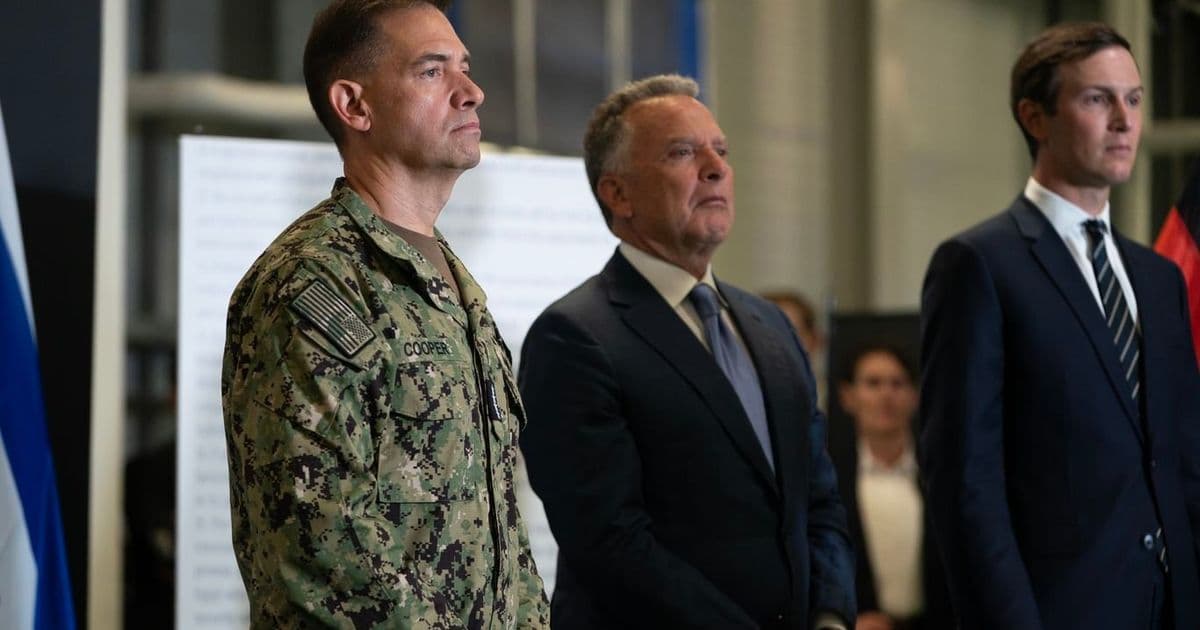
CENTCOM commander presents military scenarios to President Trump as Iran nuclear talks stall and regional tensions escalate.
The top U.S. military commander for the Middle East has briefed President Trump on potential military options regarding Iran, according to sources familiar with the discussions. The meeting comes as diplomatic efforts to curb Iran's nuclear program have reached an impasse and regional tensions continue to escalate.
CENTCOM Commander Presents Scenarios
General Michael "Erik" Kurilla, commander of U.S. Central Command (CENTCOM), met with President Trump at the White House to outline various military contingencies related to Iran's nuclear program and regional activities. The briefing reportedly covered a range of options, from targeted strikes on nuclear facilities to broader military responses to Iranian provocations in the Persian Gulf and elsewhere.
The timing of the briefing is significant, occurring as Iran has accelerated its uranium enrichment activities and regional proxy groups have increased attacks on U.S. forces in Iraq and Syria. Intelligence assessments indicate Iran is now enriching uranium to 60% purity, just short of weapons-grade material.
Diplomatic Deadlock Continues
Diplomatic efforts to revive the 2015 nuclear deal have stalled, with both sides accusing the other of bad faith negotiations. The Trump administration has maintained its "maximum pressure" campaign of sanctions while Iran has continued to breach the deal's limitations on nuclear activities.
Recent satellite imagery has shown increased activity at Iran's underground nuclear facility at Fordow, raising concerns among U.S. allies in the region. Israeli officials have warned that Iran could achieve nuclear weapons capability within months if current trends continue.
Regional Military Buildup
The U.S. has been quietly building up its military presence in the region, deploying additional air defense systems and conducting joint exercises with Gulf partners. The USS Abraham Lincoln carrier strike group has been operating in the Arabian Sea, while B-52 bombers have conducted missions from Diego Garcia.
Iran has responded with its own military demonstrations, including missile tests and naval exercises in the Strait of Hormuz. The Revolutionary Guards have threatened to close the strategic waterway if Iran is attacked, a move that would disrupt global oil supplies.
Intelligence Assessments
U.S. intelligence agencies have provided classified assessments to the White House indicating that Iran has made progress in developing advanced centrifuges capable of more efficient uranium enrichment. The assessments also suggest Iran has been working to improve the accuracy and range of its ballistic missile arsenal.
However, intelligence officials have noted that Iran has not yet made the political decision to pursue nuclear weapons, and that Supreme Leader Ayatollah Ali Khamenei has maintained his religious prohibition on such weapons.
Allied Concerns
European allies have expressed concern about the potential for military escalation, urging continued diplomatic engagement. French President Emmanuel Macron and German Chancellor Olaf Scholz have both called for renewed negotiations, warning that military action could have unpredictable consequences.
Saudi Arabia and the United Arab Emirates have taken a more hawkish stance, supporting stronger measures against Iran. Both countries have been targeted by Iranian-backed Houthi rebels in Yemen, who have launched missile and drone attacks on Saudi oil facilities.
Economic Implications
The uncertainty surrounding Iran has contributed to volatility in global oil markets, with prices fluctuating based on developments in the region. Any military confrontation could send oil prices soaring, potentially triggering a global economic slowdown.
Sanctions on Iran have already reduced its oil exports by more than half, costing the country billions in lost revenue. However, Iran has found ways to circumvent some sanctions, particularly through oil sales to China.
What Comes Next
The Trump administration faces a difficult choice between continuing the current policy of pressure and potentially pursuing military options. While some advisors have advocated for a more aggressive approach, others have warned of the risks of military action, including the possibility of a wider regional conflict.
The briefing by General Kurilla provides the President with a range of military options, but the decision on whether to use them remains with the White House. As tensions continue to build, the region watches anxiously for signs of either diplomatic breakthrough or military confrontation.
The situation remains fluid, with both diplomatic and military tracks active simultaneously. The coming weeks will be critical in determining whether tensions can be reduced through negotiation or whether the region is headed toward a potentially destabilizing conflict.
Comments
Please log in or register to join the discussion