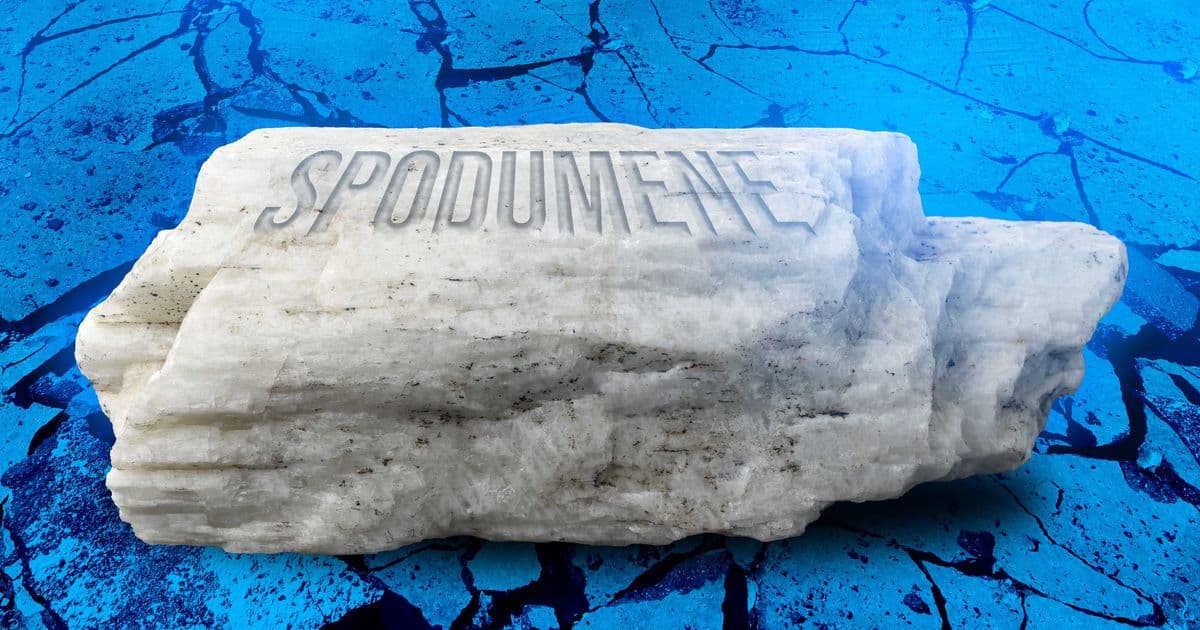
MIT researchers have created a room‑temperature method that dissolves spodumene with ammonium fluoride, recovers lithium, aluminum and silica in market‑ready forms, and recycles the reagents, cutting costs by half and reducing waste to near‑zero. The technology is being commercialized by the MIT spin‑out Rock Zero.
A new chemistry for an old problem
Demand for lithium‑ion batteries has pushed the industry to look beyond brine extraction, yet hard‑rock mining has remained energy‑hungry and waste‑intensive. Traditional processing heats spodumene ore above 1,000 °C, then leaches the melt with strong acids, discarding the silica‑rich residue. The MIT team—led by Yet‑Ming Chiang, Camden Hunt, and Benjamin Mowbray—reversed that approach by dissolving silica first at ambient temperature using a water‑ammonium‑fluoride solution. The result is a low‑temperature, closed‑loop workflow that yields three valuable products:
- Battery‑grade lithium salts (LiF, LiOH, Li₂CO₃)
- Smelter‑grade alumina for aluminum production
- Cement‑ready silica that can be directly incorporated into concrete mixes
Technical approach
1. Selective silica dissolution
Spodumene (LiAlSi₂O₆) is a tightly bonded silicate. The researchers discovered that ammonium fluoride (NH₄F) attacks the Si–O network more aggressively than the Li–O or Al–O bonds, allowing the mineral to break apart in solution at room temperature. This step replaces the energy‑intensive calcination stage.
2. Sequential precipitation of target compounds
- Lithium remains in solution as Li⁺. By adjusting pH and adding carbon dioxide or sodium carbonate, the team precipitated lithium carbonate (Li₂CO₃) and lithium hydroxide (LiOH), both meeting the purity specifications for cathode manufacturing (>99.5 % Li⁺). In parallel, lithium fluoride (LiF) can be recovered for use as an electrolyte additive.
- Aluminum is liberated after silica removal. A high‑temperature calcination of the remaining solid yields alumina suitable for smelting.
- Silica is precipitated by re‑introducing ammonia gas, which converts dissolved silicates back into solid silica particles. These particles pass cement reactivity tests and can be blended into concrete without further treatment.
3. Reagent recycling
The process generates ammonia gas as a by‑product. Capturing and recombining this gas with the fluoride stream reforms the original NH₄F reagent, achieving a near‑zero‑waste loop. Water is also reclaimed through distillation, minimizing the plant’s freshwater footprint.
4. Scale‑up considerations
The team processed 17 distinct spodumene sources from North America, Australia and Europe, confirming that mineralogical variations do not impede the chemistry. Economic modeling—performed with input from MIT’s Center for Electrification and Decarbonization of Industry—shows a ~50 % cost reduction versus conventional hard‑rock routes, primarily from lower energy demand and reagent reuse.
Real‑world applicability
Immediate commercial pathway
Rock Zero, the MIT spin‑out founded to commercialize the technology, is piloting a 10‑ton‑per‑day demonstration plant at The Engine’s incubator. Early results indicate that the plant can produce ~1,200 kg of Li₂CO₃ per day while simultaneously delivering alumina and silica streams that feed existing commodity markets.
Strategic impact on the lithium supply chain
- Domestic sourcing – The United States and Australia host large spodumene deposits. A low‑cost, low‑emission extraction method makes on‑shore production economically attractive, reducing reliance on Chinese refining capacity.
- Environmental benefits – By avoiding high‑temperature furnaces and eliminating tail‑ings, the process cuts CO₂ emissions by an estimated 70 % per tonne of lithium produced and eliminates the massive silica waste piles typical of current operations.
- Co‑product markets – The simultaneous generation of alumina and cement‑grade silica creates additional revenue streams, improving overall project economics and aligning with circular‑economy principles.
Limitations and next steps
While the chemistry works at laboratory scale, scale‑up challenges remain:
- Reactor design – Managing large volumes of corrosive fluoride solution requires materials resistant to HF attack.
- Ammonia handling – Safe capture and recirculation of ammonia at industrial scale adds complexity.
- Regulatory approvals – Fluoride‑based processes are subject to strict environmental permitting, necessitating robust containment and monitoring systems.
The research team is addressing these hurdles through partnerships with engineering firms and by leveraging MIT.nano facilities for advanced materials testing.
Outlook
If the pilot plant validates the economic and environmental models, the low‑temperature, closed‑loop approach could become a standard pathway for extracting lithium from hard‑rock ores worldwide. By delivering battery‑grade lithium alongside market‑ready aluminum and silica, the technology exemplifies how integrated mineral processing can turn a waste‑heavy industry into a source of multiple valuable commodities.
The work was funded by DOE ARPA‑E, the MIT Climate Grant Challenges program, and the NSF, and is described in the Science paper “Valorization of lithium hard‑rock concentrates into battery raw materials and commodity products.”
Comments
Please log in or register to join the discussion