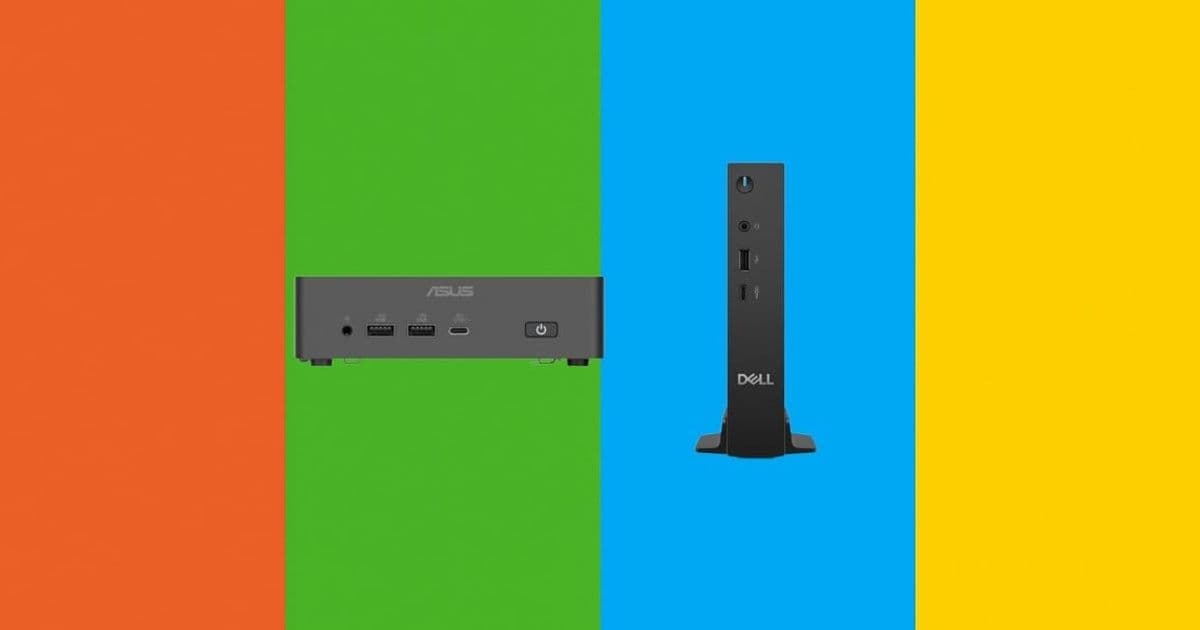
ASUS and Dell have launched new thin client devices for Microsoft's Windows 365 cloud PCs, joining the software giant's push to replace traditional desktops with secure, manageable cloud-based computing.
Microsoft's Windows 365 cloud PC initiative is gaining momentum as ASUS and Dell join the party with their own thin client devices, marking a significant expansion of the ecosystem beyond Microsoft's own hardware offerings.
ASUS Enters the Cloud PC Market with NUC 16
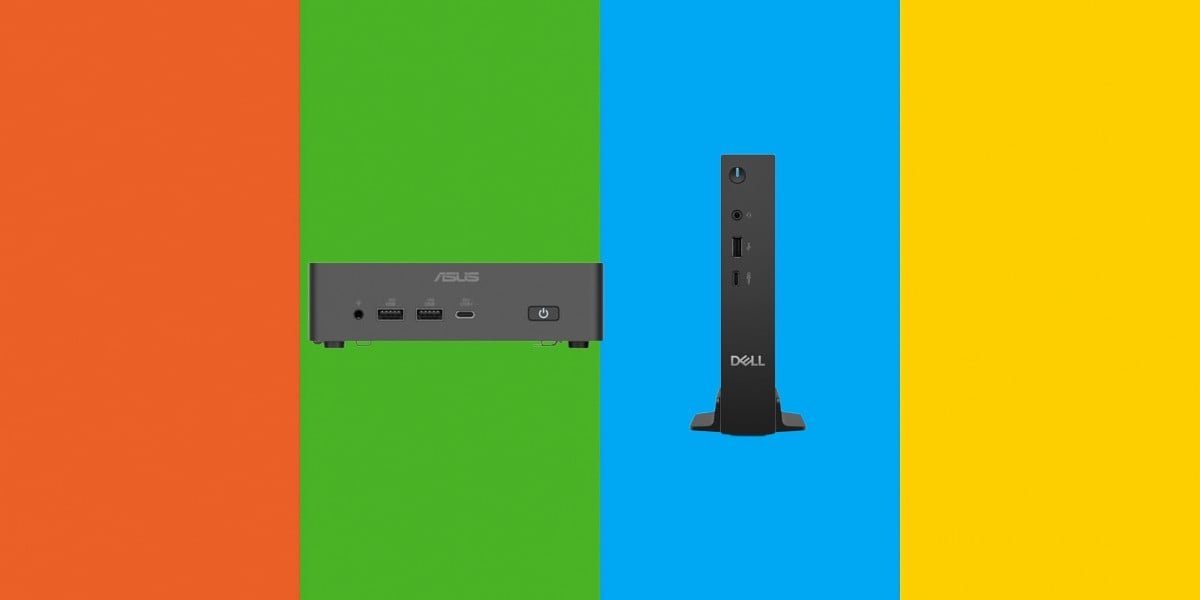
ASUS has unveiled the NUC 16 for Windows 365, bringing its Next Unit of Computing expertise to the cloud PC space. After acquiring the NUC brand from Intel, ASUS is positioning this 0.7-liter device as a compact powerhouse for cloud computing.
The Taiwanese company promises the latest Intel processor without specifying the exact model, but the device will feature DDR5 memory, Wi-Fi 6E, 2.5GbE LAN, Bluetooth 5.3, HDMI, USB Type-C, and USB Type-A ports. Most notably, ASUS claims the device can support three displays simultaneously, making it suitable for power users who need multiple screens in their workflow.
Dell's Pro Desktop for Windows 365
Dell is taking a more conservative approach with its Pro Desktop for Windows 365. While the company hasn't released detailed specifications, it confirms the device can also drive three displays. This suggests Dell is targeting similar use cases but perhaps with different hardware configurations or price points.
Microsoft's Cloud PC Strategy Expands
The software giant is clearly betting big on cloud PCs as the future of enterprise computing. Microsoft's own Windows 365 Link devices, which debuted in 2024 and shipped in 2025, are now joined by these third-party options, creating a more competitive marketplace.
Microsoft is also enhancing the Cloud CPC OS that runs on these devices with new features like Bluetooth device pairing during the out-of-box experience and custom branding on the sign-in screen. These improvements make the devices more user-friendly while maintaining their core value proposition: security and manageability.
The Business Case for Cloud PCs
Microsoft positions these devices as especially secure and manageable because they don't require users to store anything locally or on-premises. All applications and data remain in Azure, theoretically reducing the attack surface and simplifying IT management.
However, Microsoft acknowledges that its own Intune tool makes conventional PCs easy to secure and manage as well. The company also offers technology that allows standard PCs to boot directly into a cloud PC instead of starting a local Windows installation, providing flexibility for organizations that aren't ready to commit to dedicated thin clients.
Market Forces Driving Cloud PC Adoption
Several factors are converging to make cloud PCs more attractive to businesses. Gartner predicts that the ten percent of PCs currently used for virtual desktop infrastructure will double by 2027, driven by the potential cost savings of cloud-based virtual PCs accessed through thin clients compared to traditional laptops.
The Broadcom acquisition of VMware has also created uncertainty in the virtualization market. VMware has stopped selling software bundles optimized for desktop virtualization workloads, forcing organizations to either adopt VMware's more comprehensive and expensive Cloud Foundation private cloud bundle or seek alternatives like Windows 365.
Competition in the Virtual Desktop Space
Microsoft isn't alone in pursuing this market. Google recently acquired app-streaming company Cameyo to bolster its virtual desktop offerings. Omnissa is bringing VDI-style app packaging to physical PCs, and there are various other solutions emerging as organizations seek to modernize their desktop infrastructure.
Availability and Pricing
Both the ASUS NUC 16 for Windows 365 and Dell Pro Desktop for Windows 365 are expected to ship in Q3 of this year. Microsoft continues to sell its own Windows 365 Link devices, giving organizations multiple options depending on their specific needs, budget constraints, and preferred hardware vendors.
The Future of Enterprise Computing
The emergence of these third-party cloud PC devices represents a maturing market where Microsoft's vision for cloud-based desktop computing is gaining traction. As organizations grapple with rising PC costs, security concerns, and the need for flexible work arrangements, cloud PCs accessed through dedicated thin clients may become increasingly common in enterprise environments.
The success of this initiative will depend on factors like pricing, performance, and the ability to handle demanding workloads that have traditionally required local processing power. But with major hardware vendors now on board and Microsoft's cloud infrastructure continuing to expand, the foundation for a cloud PC future is being laid.
Comments
Please log in or register to join the discussion