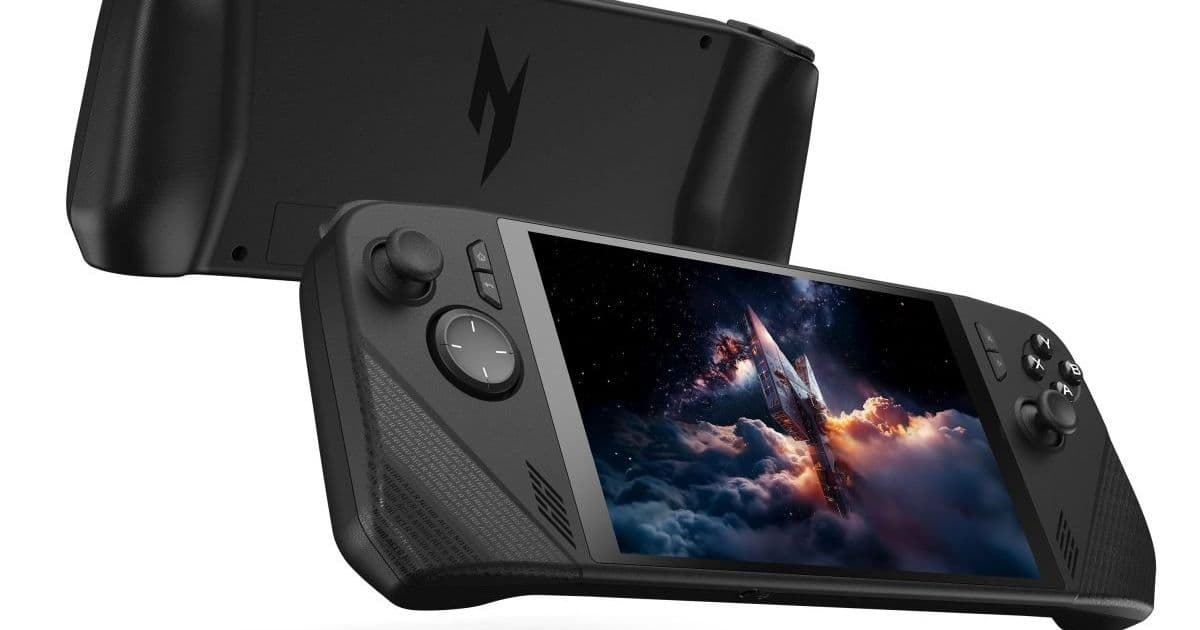
Acer’s new Nitro Blaze Link handheld runs a Debian‑based OS, packs a 7‑inch FHD+ screen and Wi‑Fi 6, but its 1 GB RAM and 8 GB eMMC storage make it a thin client for streaming from a PC rather than a standalone gaming device.
Acer Nitro Blaze Link Targets Game‑Streaming, Not Native Play
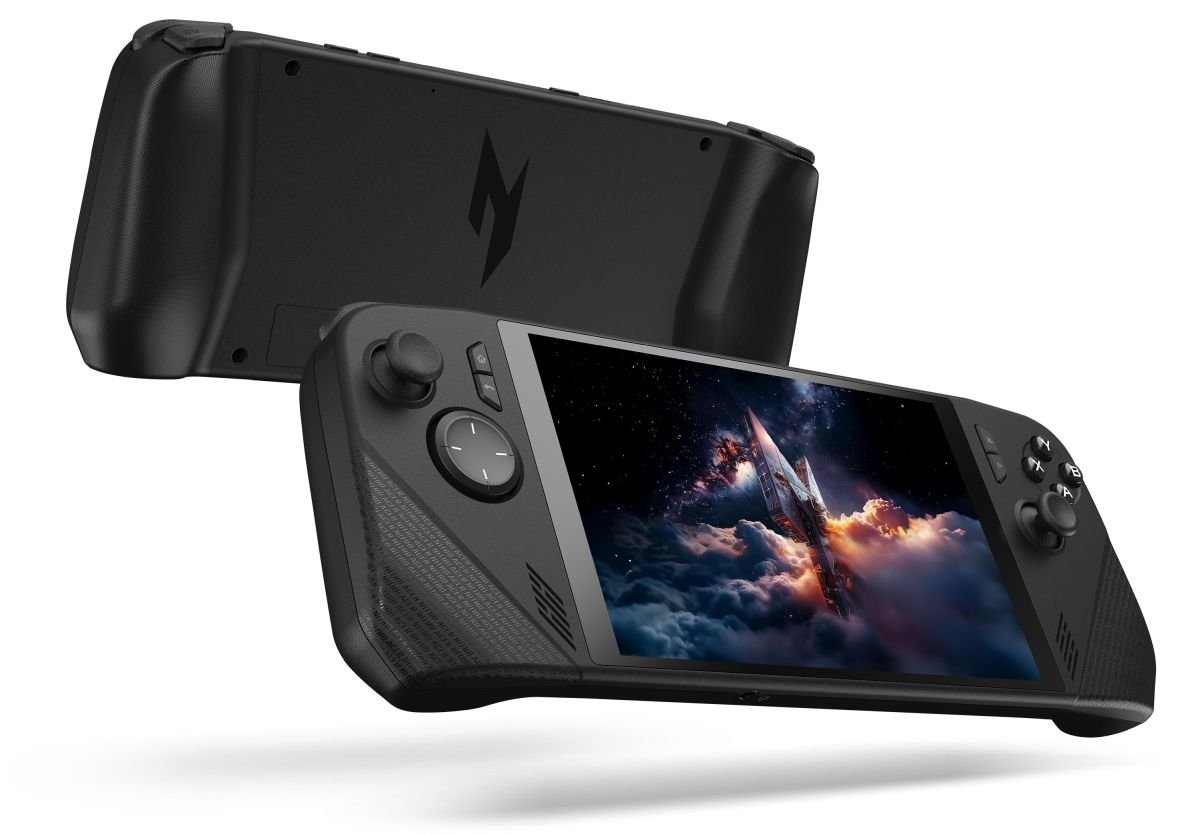
Acer unveiled the Nitro Blaze Link (GN722) at Computex, positioning it as a low‑cost companion for gamers who already own a powerful Windows laptop or desktop. The device runs a stripped‑down Debian Linux distribution, sports a 7‑inch 1920 × 1200 touchscreen, and weighs just 464 g. On paper it looks like a portable console, but the hardware tells a different story.
Platform specs and constraints
| Component | Specification |
|---|---|
| CPU | Unspecified ARM Cortex‑A55 (likely 2 GHz) |
| RAM | 1 GB LPDDR4‑2133 |
| Storage | 8 GB eMMC (no micro‑SD slot) |
| Display | 7‑inch FHD+ (1920 × 1200), 5‑point capacitive touchscreen |
| Battery | 18 Wh, 15 W USB‑C fast charge |
| Connectivity | Wi‑Fi 6 (802.11ax), Bluetooth 5.0, USB‑C (data‑only) |
| OS | Debian‑based Linux, custom Acer UI |
The modest memory and storage are enough for a thin‑client client, but they leave little headroom for native Android or Linux games that require larger asset bundles. The USB‑C port is limited to charging and possibly video out; Acer explicitly states it does not support data transfer or peripheral attachment.
Why the Nitro Blaze Link matters to developers
1. A Linux‑first handheld
The Debian base gives developers a familiar environment. You can SSH into the device, install packages with apt, and run custom scripts. For teams building cloud‑gaming front‑ends or remote‑desktop wrappers, the Blaze Link offers a ready‑made Linux client that can be scripted without dealing with Android’s fragmented ecosystem.
2. Limited on‑device resources
With only 1 GB of RAM, any native game must be extremely lightweight. Unity’s IL2CPP builds for ARM can technically run, but the memory ceiling forces developers to strip down textures, reduce draw calls, and avoid large asset bundles. This makes the device unsuitable for most modern Unity or Unreal titles unless they are heavily optimized for streaming.
3. Wi‑Fi 6 as the only performance lever
The handheld’s primary selling point is its Wi‑Fi 6 radio. In a 5 GHz network with a router supporting 802.11ax, you can expect up to 2.4 Gbps theoretical throughput, which is enough for 1080p 60 fps streaming at 15–20 Mbps using NVENC or AMD VCE encoding. Developers of streaming clients (e.g., Moonlight, Parsec, Steam Remote Play) can treat the Blaze Link as a standard client, but they must account for latency spikes on congested Wi‑Fi.
Migration path for existing game‑streaming apps
Package the client as a Debian .deb – The easiest distribution method is to host a
.debfile on your server. Users can install it withsudo dpkg -i your‑client.deb. Include all dependencies to avoid the need for a full desktop environment.Leverage existing protocols – Both Moonlight (NVIDIA GameStream) and Steam Remote Play already support Linux. Test the Blaze Link with these tools before building a custom solution. If you need tighter integration, consider using WebRTC via the open‑source OpenH264 library; it works well over Wi‑Fi 6 and can be compiled for ARM.
Optimize for low‑memory – Strip debug symbols, use texture compression (ASTC or ETC2), and limit background services. A good rule of thumb is to keep the total RAM footprint under 600 MB to leave headroom for the OS and network stack.
Battery‑aware streaming – The 18 Wh battery will last roughly 2–3 hours at 30 W streaming load. Provide an option in your client to lower the streaming bitrate when the battery drops below 30 % to extend playtime.
What the device does not do
- No native Android games – The Linux OS means Android APKs cannot run without an emulator, which would be far too heavy for the hardware.
- No cloud‑gaming service integration out of the box – Acer’s press kit is silent on support for NVIDIA GeForce Now, Xbox Cloud Gaming, or Amazon Luna. Developers will need to ship their own client or rely on open‑source wrappers.
- No peripheral hub – The USB‑C port is charging‑only, so you cannot connect a mouse, external storage, or a USB‑C Ethernet dongle.
Outlook and pricing
Acer plans a North‑American launch in Q4 2026, with pricing to be announced later in the year. Expect a price point comparable to other thin‑client handhelds (around US$199–$229). If you already own a gaming laptop such as the Predator Helios 18 AI or Nitro 16, the Blaze Link could become a convenient “remote controller” for your existing library.
Bottom line for mobile developers
The Nitro Blaze Link is not a new platform for building native mobile games. Instead, it is a Linux‑based streaming terminal that can serve as a testbed for remote‑play technologies. If your product already supports Moonlight, Parsec, or Steam Remote Play, the Blaze Link will work with minimal effort. For developers looking to explore low‑latency game streaming on a lightweight ARM device, the handheld offers a cheap, Wi‑Fi 6‑ready sandbox.
For more details, see Acer’s official announcement and the device’s spec sheet.
Comments
Please log in or register to join the discussion