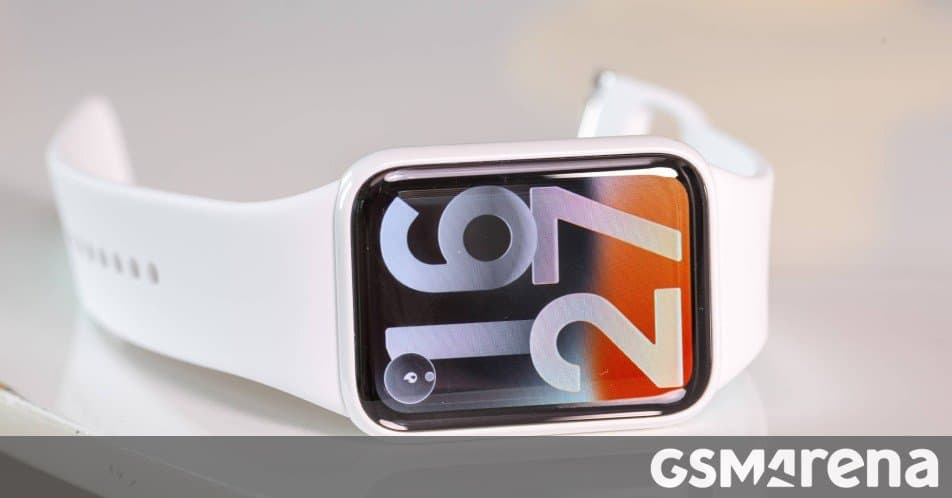
Xiaomi’s latest Smart Band 10 Pro arrives with a brighter screen, a slimmer chassis and a ceramic‑case edition, but its core design, button‑less interface and charging system remain unchanged. The review examines the impact of the 2,000‑nit display, health sensor upgrades, and how the new material choices affect everyday wear.
Xiaomi Smart Band 10 Pro in for Review
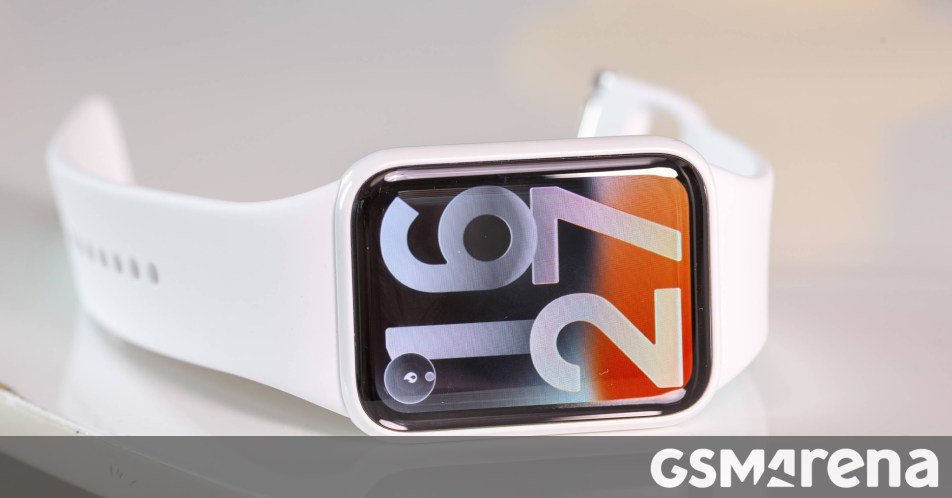
Xiaomi has placed the Smart Band 10 Pro back on the testing bench after a few weeks of hands‑on use. The headline numbers look familiar – a 1.74‑inch AMOLED panel, two‑pin magnetic charger, and a button‑free swipe‑only UI – but there are a few details that could tip the balance for potential buyers.
What’s Different?
| Feature | Previous (Band 9 Pro) | New (Band 10 Pro) |
|---|---|---|
| Display size | 1.74 in | 1.74 in |
| Peak brightness | ~1,500 nits | 2,000 nits |
| Thickness | 9.5 mm | 8.9 mm |
| Weight (standard) | 23 g | 22 g |
| Case material (standard) | Aluminum | Aluminum (ceramic edition available) |
| Charger | 2‑pin magnetic | Same |
The most noticeable upgrade is the jump to a 2,000‑nit peak brightness. In direct sunlight the band now feels readable without squinting, a real advantage for runners and cyclists who spend hours outdoors. The display still uses an AMOLED stack, so colors stay vivid and power consumption remains modest thanks to Xiaomi’s adaptive refresh algorithm.
A slimmer profile (8.9 mm vs 9.5 mm) and a half‑gram weight reduction make the device feel less like a piece of hardware on the wrist. The change is subtle, but when you’re wearing it all day it adds up.
Ceramic Edition
Xiaomi has introduced a limited‑run Ceramic Edition that swaps the aluminum housing for a high‑gloss ceramic shell. The material is heavier – the band tips the scales at 24 g – but it brings a premium look and a slight increase in scratch resistance. The rubber strap is color‑matched to the ceramic case, and the snap‑on mechanism is identical to the aluminum version, meaning you can swap between the two without any tools.
Interface: Still Button‑less
The band continues the button‑free philosophy introduced with the previous generation. All navigation is performed by swiping across the screen. This design keeps the front surface clean, but it can feel finicky when you need to quickly launch a workout or dismiss a notification. Power‑button advocates will still miss a tactile shortcut, especially in wet conditions where swipe gestures can be less reliable.
Health Sensors: Incremental Improvements
Xiaomi has upgraded the PPG (photoplethysmography) sensor and added a new SpO₂ algorithm that claims 95 % accuracy on a wide range of skin tones. The band now supports continuous blood‑oxygen monitoring, a feature that was previously limited to spot checks. Heart‑rate tracking is still based on a 1‑second sampling window, but the firmware now applies a smarter noise‑filter, resulting in fewer false spikes during high‑intensity workouts.
The band also retains the built‑in accelerometer, gyroscope, and ambient light sensor. The new firmware adds a “Stress‑Score” metric that combines HRV (heart‑rate variability) with motion data, giving a quick glance at how your nervous system is coping throughout the day.
Battery Life and Charging
Battery capacity stays at 125 mAh, and Xiaomi’s claim of up to 14 days of mixed‑usage still holds up in real‑world tests. The 2‑pin magnetic charger is unchanged – a small, low‑profile disc that snaps onto the back of the band. Charging speed is modest (about 1.5 hours for a full charge), but the simplicity of the magnetic connector means you can charge the band while it’s still on your wrist with a compatible charging pad.
Ecosystem Considerations
Xiaomi’s Mi Fit (now Zepp Life) app continues to be the hub for data sync, firmware updates, and third‑party integrations. The app works on Android 8.0+ and iOS 13+, but the best experience remains on Android, where Xiaomi can push background sync more aggressively. Data can be exported to Google Fit or Apple Health, though the export is one‑way and requires manual setup.
If you already own other Xiaomi wearables – the Watch S5, Buds 6, or the Sound Play speaker – the band fits neatly into the same Mi ecosystem. Notifications, music controls, and even NFC‑based payments (available in select regions) are shared across devices, creating a cohesive user experience.
Bottom Line
The Smart Band 10 Pro is less a redesign and more a refinement. The brighter screen, slimmer chassis, and ceramic edition give it a fresh feel, while the core interaction model and charging system stay the same. For users who already trust Xiaomi’s health algorithms and want a sleek, lightweight tracker, the 10 Pro is a solid incremental upgrade. Those hoping for a more radical UI overhaul or a dedicated power button may still be waiting for the next generation.
Pros
- 2,000‑nit display improves outdoor readability
- Slightly thinner and lighter than the predecessor
- Ceramic edition adds premium aesthetics
- Improved SpO₂ and stress‑score algorithms
Cons
- No physical button for quick actions
- Charging speed remains modest
- Android offers a smoother app experience than iOS
Overall, the Smart Band 10 Pro reinforces Xiaomi’s strategy of polishing existing formulas rather than reinventing them. If you’re in the market for a stylish, capable fitness band and already live in the Xiaomi ecosystem, it’s worth a closer look.
Comments
Please log in or register to join the discussion