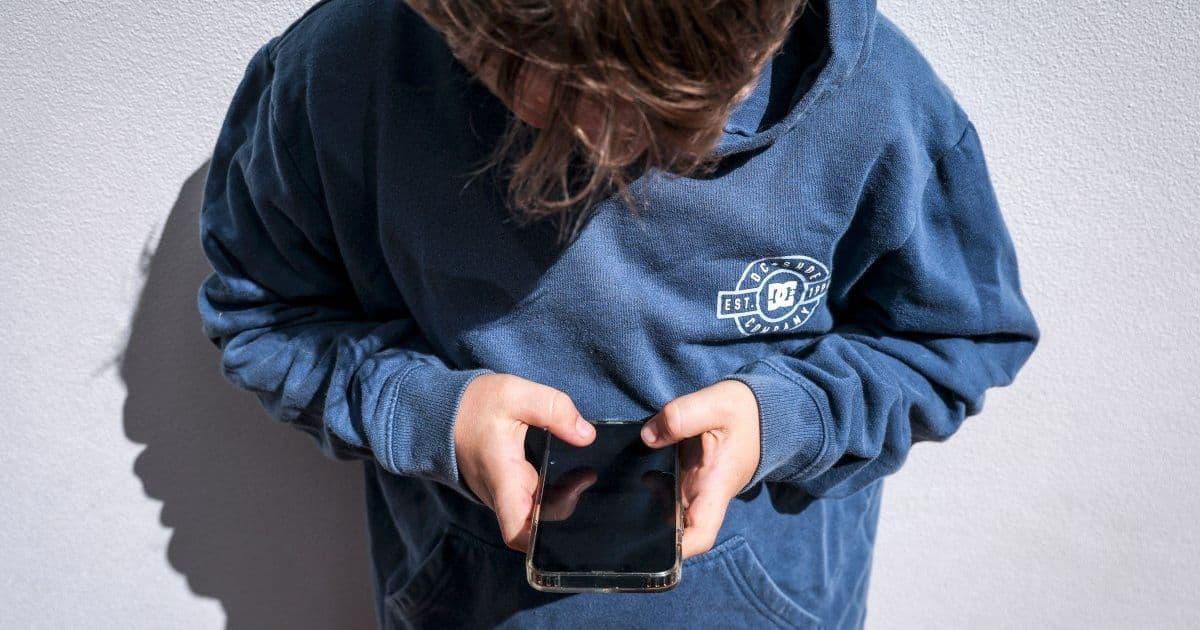
Countries worldwide are implementing restrictions on social media access for children and teens, with Australia, Denmark, France, Germany, Greece, Malaysia, Spain, and Indonesia leading the charge.
Over the past few months, a wave of countries has announced plans to restrict social media access for children and teens, marking a significant shift in how governments approach digital safety for young users.
Australia recently moved forward with legislation that would ban social media access for users under 16, with Prime Minister Anthony Albanese stating the measure aims to protect young people from online harms. The Australian government is working with tech companies to implement age verification systems and establish clear enforcement mechanisms.
Denmark has taken a slightly different approach, focusing on educational initiatives while implementing stricter parental controls. The Danish government is partnering with schools to teach digital literacy and responsible social media use, while also requiring platforms to provide enhanced privacy settings for users under 18.
France has proposed a complete ban on social media for children under 13, with additional restrictions for teenagers aged 13-17. The French Senate is debating legislation that would require social media companies to verify user ages and implement default privacy settings for younger users.
Germany, building on its strict data protection laws, is considering extending the Jugendmedienschutz-Staatsvertrag (Youth Media Protection State Treaty) to cover social media platforms more comprehensively. The German government is particularly concerned about the impact of social media on mental health and academic performance.
Greece has announced plans to introduce legislation requiring parental consent for social media accounts for users under 16. The Greek Ministry of Digital Governance is working with European Union partners to ensure consistent implementation across member states.
Malaysia has taken a more aggressive stance, with the Communications and Multimedia Commission proposing a complete ban on social media for users under 18. The Malaysian government cites concerns about cyberbullying, online exploitation, and the spread of misinformation among young users.
Spain is considering a phased approach, starting with mandatory digital literacy education in schools and gradually implementing age restrictions on social media platforms. The Spanish government is working with tech companies to develop age-appropriate versions of popular platforms.
Indonesia, with its large youth population, has announced plans to restrict social media access during school hours and implement stricter age verification requirements. The Indonesian Ministry of Communication and Information Technology is also exploring partnerships with local tech companies to develop safer alternatives for young users.
These developments reflect growing global concern about the impact of social media on children's mental health, privacy, and development. However, critics argue that such bans may be difficult to enforce and could push young users toward less regulated platforms or create a digital divide.
The tech industry has responded with mixed reactions. Some companies are developing enhanced parental controls and age-appropriate features, while others warn that overly restrictive measures could harm innovation and limit educational opportunities.
As more countries consider similar measures, the debate over how to balance online safety with digital freedom continues to evolve, with parents, educators, and policymakers grappling with the complex challenges of raising children in an increasingly connected world.
Comments
Please log in or register to join the discussion