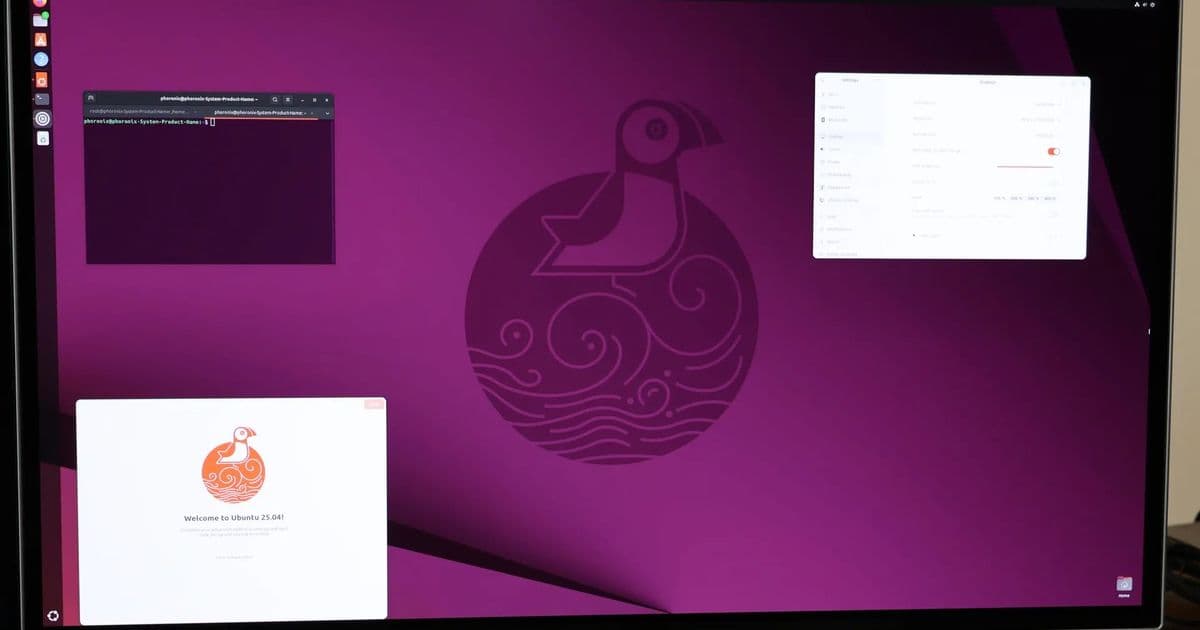
GNOME 50 introduces a new 'sdr-native' color mode that leverages EDID data to properly display content on wide color gamut monitors without requiring HDR support.
The upcoming GNOME 50 release is getting a significant display enhancement just before its official launch next month. A new "sdr-native" color mode has been merged into the Mutter compositor, offering Linux users with modern wide color gamut displays a way to make full use of their monitor's capabilities without needing HDR support.
What is 'sdr-native' Color Mode?
The new color mode, implemented by Red Hat's Michel Dänzer, takes a different approach than GNOME's existing color handling options. Rather than using the default or BT2100 modes, sdr-native reads the monitor's EDID (Extended Display Identification Data) to determine the display's native color primaries, white point, and gamma exponent.
As Michel explained in the Mutter pull request, "It uses the EDID information about primaries, default white point and gamma exponent. It's exposed only if all 3 are available in EDID."
This means the feature will only be available on monitors that properly expose this information through their EDID data - a reasonable expectation for modern displays but potentially limiting for older or budget models.
Current Limitations
While the feature represents a significant step forward for color management on Linux, it does come with some current limitations:
- Direct scanout not supported: Applications won't work with direct scanout unless they happen to use the Wayland color management protocol with the exact same image description as the output
- Limited integration: For GNOME 50, the feature is only accessible through the
gdctlcommand-line tool usinggdctl --color-mode sdr-native - EDID dependency: The mode requires complete EDID information (primaries, white point, and gamma exponent) to be available
Why This Matters
Wide color gamut displays have become increasingly common, offering significantly expanded color ranges compared to traditional sRGB monitors. However, without proper color management, these displays can actually produce worse results for standard content, oversaturating colors and producing inaccurate representations.
The sdr-native mode addresses this by allowing the compositor to understand the display's native color space and properly map content to it. This means sRGB content will display correctly without the oversaturation issues that plague many wide gamut displays when used without proper color management.
How to Try It
For those eager to test this feature before GNOME 50's official release, you'll need to:
- Build the latest Mutter from Git
- Use the
gdctlcommand-line tool - Run:
gdctl --color-mode sdr-native
This late addition to GNOME 50 demonstrates the project's commitment to improving the desktop experience, particularly for users with modern hardware. While the integration is currently minimal, it lays the groundwork for better color management in future GNOME releases.
For Linux users who have invested in wide color gamut displays, this feature could finally deliver the color accuracy they've been missing on the platform. The ability to properly display sRGB content while making full use of a display's wide gamut capabilities without requiring HDR support is a significant win for the Linux desktop ecosystem.
Comments
Please log in or register to join the discussion