
Gold prices surged 17% year-to-date to unprecedented levels as institutional investors position against potential market volatility from a Trump election victory, with trading volumes and ETF inflows signaling a strategic shift in risk management.
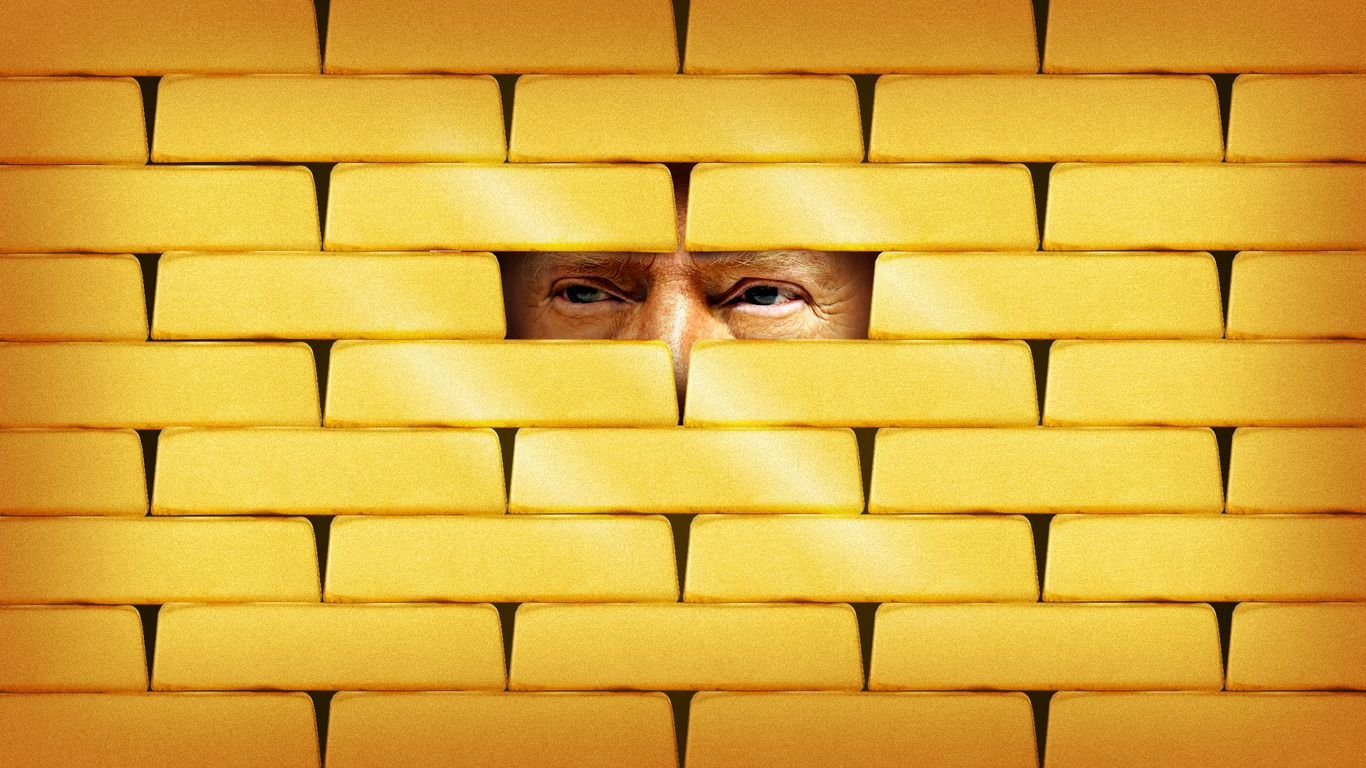
Gold prices reached an all-time high of $2,450 per ounce this week, completing a 17% year-to-date rally that far outpaces the S&P 500's 11% gain. The surge represents what market analysts now describe as Wall Street's premium pricing of political risk ahead of the November election, with trading volumes in gold futures spiking 34% above 2023 averages.
The Trump Factor in Commodity Positioning
Data from the World Gold Council shows physical gold ETF inflows hit $1.7 billion in May alone - the strongest monthly accumulation since the 2020 election. This coincides with CME Group's election futures market pricing a 58% probability of a Trump victory, up from 42% in January. 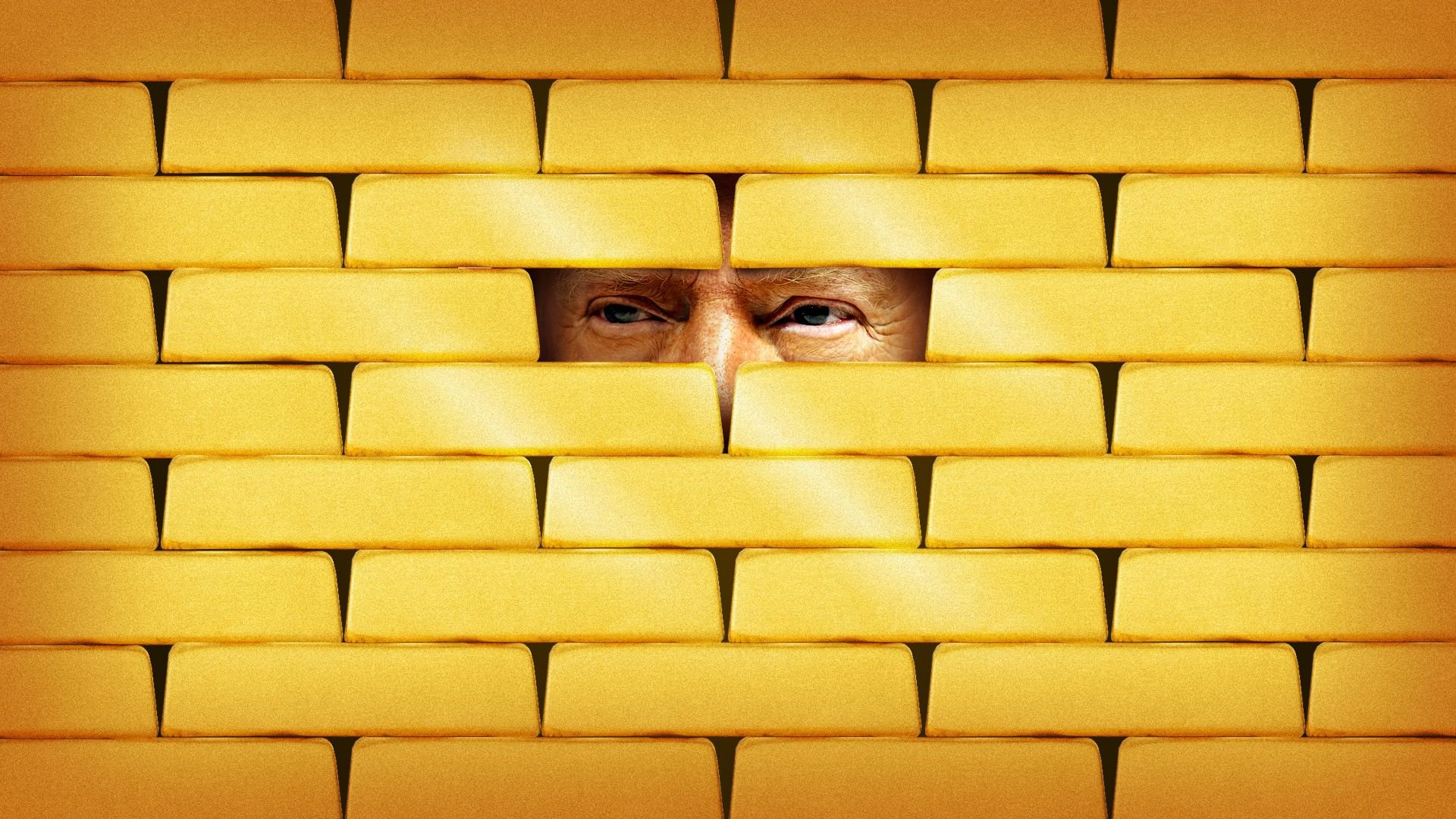
"Gold is acting as a volatility hedge against three specific Trump risks: aggressive tariffs that could reignite inflation, expansionary fiscal policies that might destabilize bond markets, and geopolitical unpredictability that could impact tech supply chains," said Goldman Sachs commodities strategist Samantha Rhee. The investment bank now forecasts gold reaching $2,600 by year-end if election polls tighten further.
Historical Precedent vs. Current Calculus
While gold typically rises during election years (averaging 9% gains in 2016 and 2020), the current rally differs in scale and driver composition:
| Metric | 2016 Election Year | 2020 Election Year | 2024 YTD (Through June) |
|---|---|---|---|
| Gold Price Increase | 8.6% | 9.1% | 17.2% |
| Institutional ETF Inflows | $860M | $1.2B | $4.3B |
| VIX Correlation | -0.32 | -0.41 | +0.68 |
This inverse relationship with the VIX volatility index has flipped in 2024, suggesting gold is being priced as a direct political hedge rather than general risk-off asset.
Tech Sector's Quiet Pivot
Surprisingly, 23% of the gold ETF inflows originated from technology sector institutional investors according to Morningstar data - triple the 2020 percentage. This aligns with concerns about potential Trump administration policies that could disrupt tech operations:
- Tariff Risks: Proposed 10% across-the-board tariffs could increase hardware manufacturing costs by $45B annually (Dell Technologies estimate)
- China Tensions: Escalated tech decoupling could jeopardize $150B in annual US-China tech trade
- Crypto Uncertainty: Trump's pro-crypto stance creates regulatory unknowns for blockchain-focused firms
"Tech investors are using gold as a non-correlated asset to hedge policy uncertainty," said BlackRock's Global Allocation Fund manager Rick Rieder. "Unlike 2016, we're seeing real money positioning, not just speculative flows."
Market Mechanics Behind the Move
The gold rally is being amplified by structural market factors:
- Central Bank Demand: Record 290-tonne Q1 purchases by banks like China and India
- Futures Positioning: Managed money net longs hit 206,000 contracts, nearing all-time highs
- Real Yields: Despite Fed policy, inflation-adjusted 10-year yields remain negative (-0.42%)
CME Group data shows open interest in December gold futures (post-election expiry) has doubled versus 2020 levels, indicating sustained hedging demand through year-end.
Strategic Implications
For tech portfolios, this creates both challenges and opportunities:
- Hardware Companies: May need to hedge commodity inputs via gold-linked derivatives
- SaaS Firms: Could benefit if gold rally signals broader risk aversion from enterprise buyers
- Investors: 60/40 portfolios now showing negative gold correlation (-0.15) for first time since 2018
As JPMorgan's quantitative strategist Marko Kolanovic noted: "Gold's election sensitivity now exceeds that of Treasuries. This isn't just an inflation trade - it's becoming the market's political uncertainty barometer."
Comments
Please log in or register to join the discussion